Pushing the Frontiers of Innovation and Entrepreneurship in Africa’s Higher Education Eco-System
Globalization and internationalization, amongst other factors, have modified the role African universities play in society. Universities are now expected to be highly innovative and entrepreneurial; commercializing their research outcomes and spinning-out new knowledge-based enterprises, collaborating closely with the private sector, and offering advisory services, among a host of other key actions. The reduction in countries public funds, coupled with the lean government budgets for higher education, demand that higher education innovate and generates external funding to supplement its budget and facilitate meeting overall goals.
In response to this need, the ACE Impact project is strengthening innovation and entrepreneurship activities in 35 participating universities, while actively contributing to the creation of a pool of highly innovative universities, a crucial group needed to champion Africa’s economic transformation agenda. Since its inception in 2019, the project has supported the 53 ACE Impact centres to develop robust implementation plans in three core areas – 1) strengthening of technology transfer 2) development of institutional innovation and entrepreneurship ecosystem and 3) innovation-oriented cooperation of research infrastructures. The prioritization of these key areas is congruous with the Disbursement Linked Indicator 5.3 (DLI 5.3), included in the project to track the successes and results of participating centres in meeting pre-agreed milestones under the critical themes of innovation and entrepreneurship.
Under this DLI (DLI 5.3), the project, working alongside experts, supported the centres to develop plans and implement activities related to innovation and entrepreneurship. A thorough review process of centres implementation plans revealed they were at different levels in terms of their institutional innovation ecosystem. centres were advised and empowered to measure their technological institutional readiness for innovation and entrepreneurship. The centres have been equipped with the requisite tools and information to facilitate the engagement of authorities in their institutions and at the country levels to prioritize innovation.
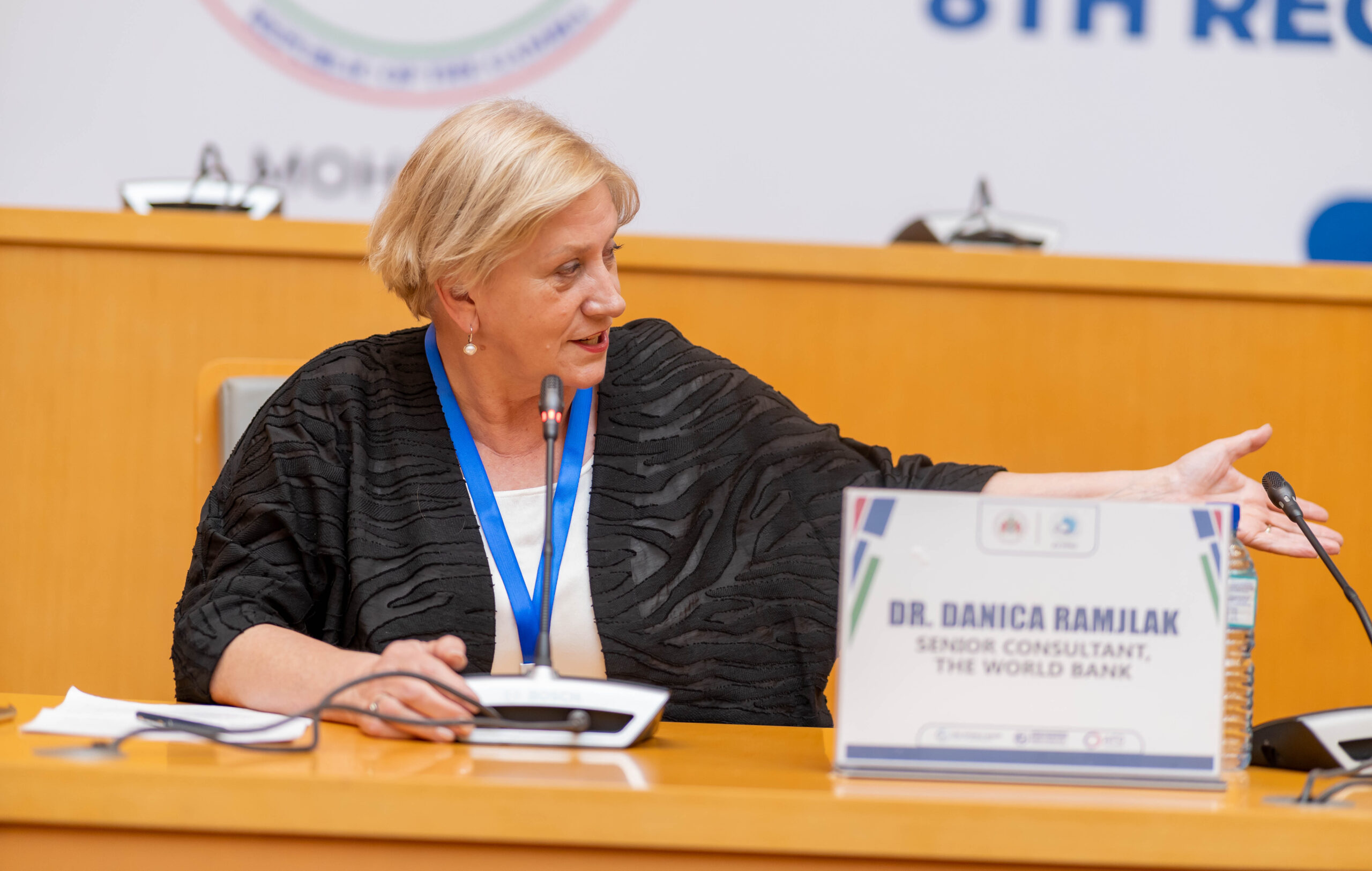
The senior consultant and expert in entrepreneurship and innovation at the World Bank, Dr. Danica Ramljakan, provided very pertinent feedback to the centres following the review process, including the recommendation that the centres need to have appropriate Science Technology Innovation (STI) policies in place and ensure its effective implementation. Centres were charged by her to ensure that institutional capacity building for STI management and governance were in place, in addition to establishing efficient models for knowledge transfer to prioritize capacity building.
The ACE Impact project also charged the centres to define their research and development priorities, develop a roadmap for research infrastructure, and provide sustainable support for innovation development. Equally important to fostering innovation and entrepreneurial activities were the recommendations to attract the private sector to collaborate and invest in higher education Institutions’’ research and development (R&D), strengthen international collaborations, and inform the general public about the importance of the Centres’ work.
Centres have already begun to implement key interventions and have recorded significant improvements.
The Centre of Excellence for Food Technology and Research (CEFTER) at the Benue State University, Nigeria, for instance, has established a new Technology Transfer Office (TTO) and appointed a Technology Transfer Officer, as part of its intervention to strengthen the management of innovation and promote entrepreneurship/commercialisation. CEFTER has also instituted a startup grant scheme, to accelerate good business ideas and drive innovation forward. Already, 10 startups with commercialisable ideas have been selected to benefit from this scheme, following a competitive process involving 1,080 applicants. They are set to undergo a three (3) months incubation (booth camp) during which they will interact with experts in different fields for technical support, as well as undergo training on important subjects, including market research, product development, testing and validation, financial modelling, innovator business branding among others.
The ICT-Driven Knowledge Park (OAK-PARK) at the Obafemi Awolowo University, Nigeria developed a non-credit unit course ETR 700 (Engineering Entrepreneurship Process) and offered this course to its postgraduate students, dentistry students and faculty members of the Centre. The centre’s recently established Incubation Centre and ICT Garden were commissioned in December 2022 by Nigeria’s Minister of Communications and Digital Economy, Professor Isa Ali Ibrahim, who also gave a lecture on the topic ‘Research, Innovation and Sustainable Development’, as part of a lecture and commissioning event organised by the centre to bring its stakeholders together to engage with the topic of innovation.
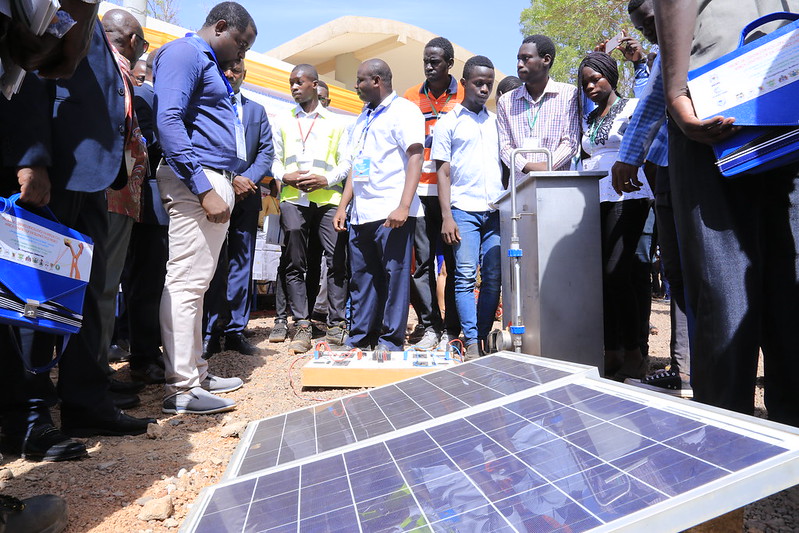
Centres under the ACE Impact project have also been creating important platforms to engage key stakeholders from industry, government and the general public through the organisation of innovation weeks and research fares. In November, 2022, CEFTER hosted the West and Central Africa Post Harvest Congress and exhibition in Abuja, where most of its innovations were exhibited and in February 2023, it hosted its annual food week (innovation week) during which Masters and PhD students showcased different food processing and packaging technologies they had innovated. The Centre Leader, Dr Barnabas Ikyo, concludes that the project has positively impacted the University in various areas, citing an example that its company – CEFTER Foods Nigeria Ltd, established in line with the centre’s entrepreneurial activities, produces water, cassava-based cookies and bread in commercial quantities to serve both the university and external community members. He adds that as result of ongoing research by the Centre, the State Government released seventy (70) hectares of land to the university to build a College of agriculture, cultivate model farms and to carry out other innovative research activities.
Memorandum of Understanding (MoUs) to support entrepreneurship and innovation, and commercialization of research have also been entered into by some centre’s of excellence and various strategic partners to facilitate implementation and engagement on various fronts.
Looking ahead, the Centres of Excellence are optimistic about pushing the frontiers of innovation and entrepreneurship in Africa’s higher education eco-system and deepening their engagement and impact in this topical focus area. From viable businesses, the take-off of spin off companies, the registration of patents, introduction of resourceful products and technologies, and strengthening of appropriate systems, partnerships and the entire innovation eco-system, the Centres current efforts are soon to reach maturity for Africa’s benefit.


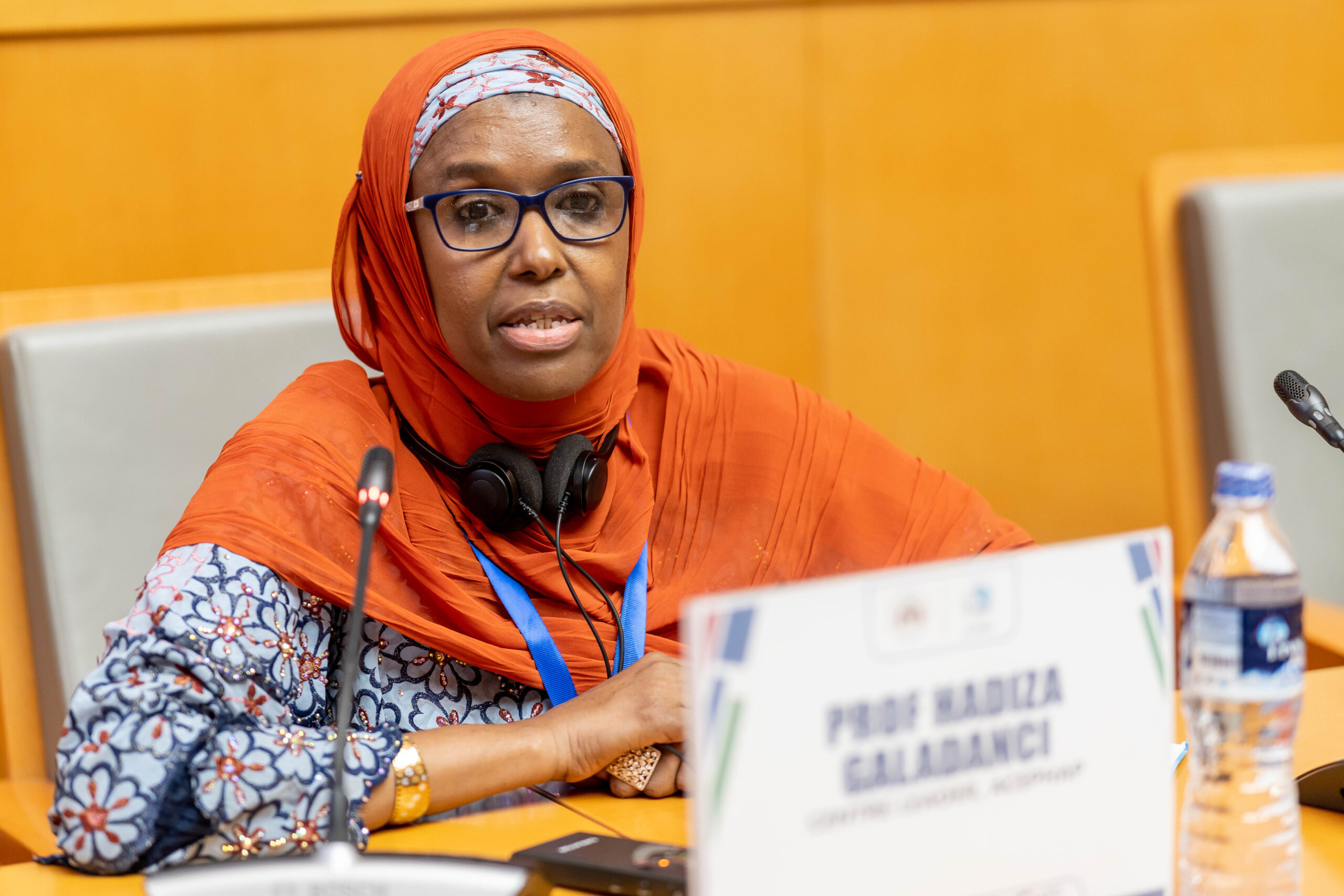
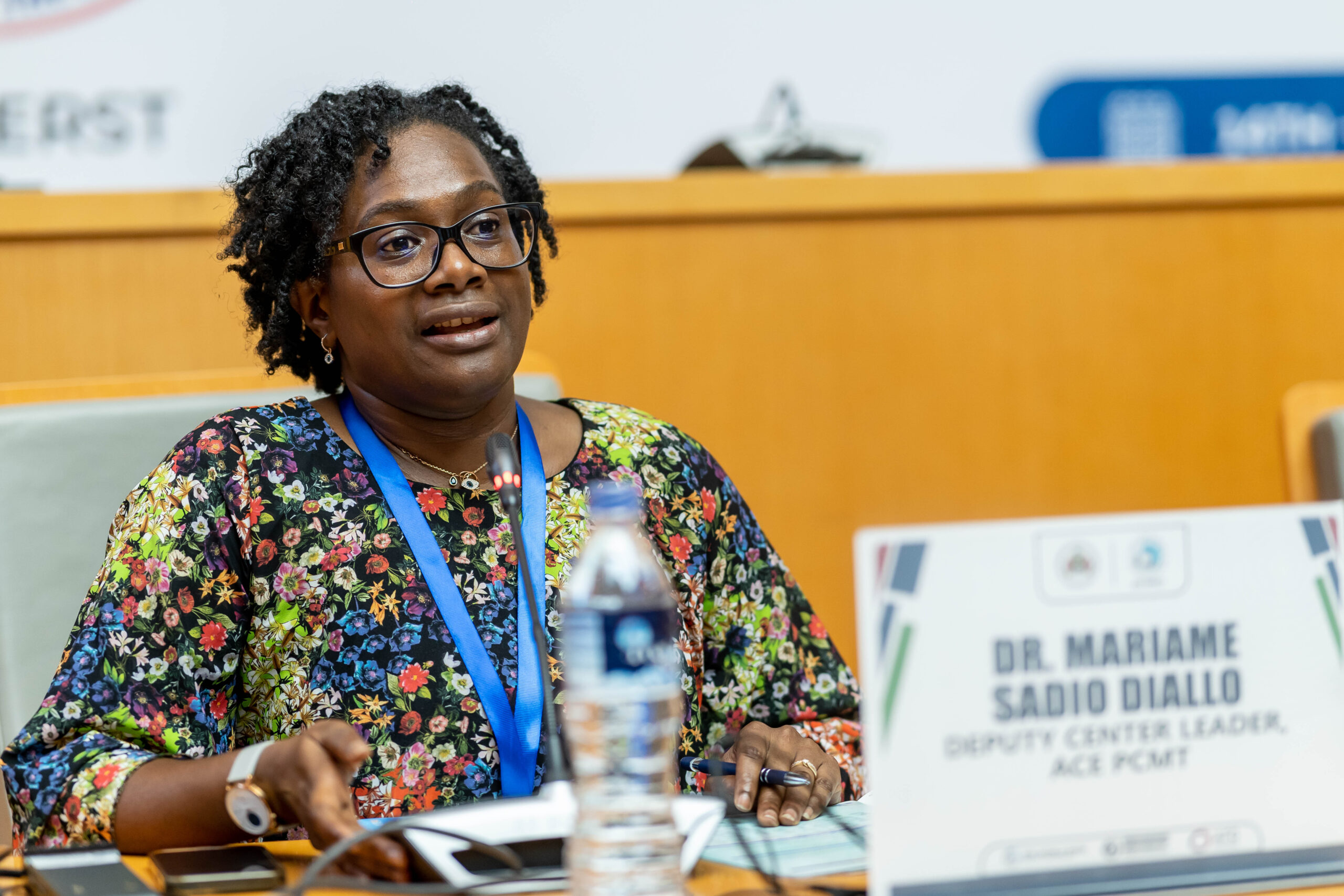 Several initiatives have been implemented by the ACE Impact project to promote gender inclusiveness and specifically to ensure that women are empowered through the project. Aside from having a core indicator that promotes the recruitment of female students to the centres, the project has instituted a well-coordinated gender initiative which regularly rolls out capacity-building trainings among others and engages the centres on the issue of women empowerment.
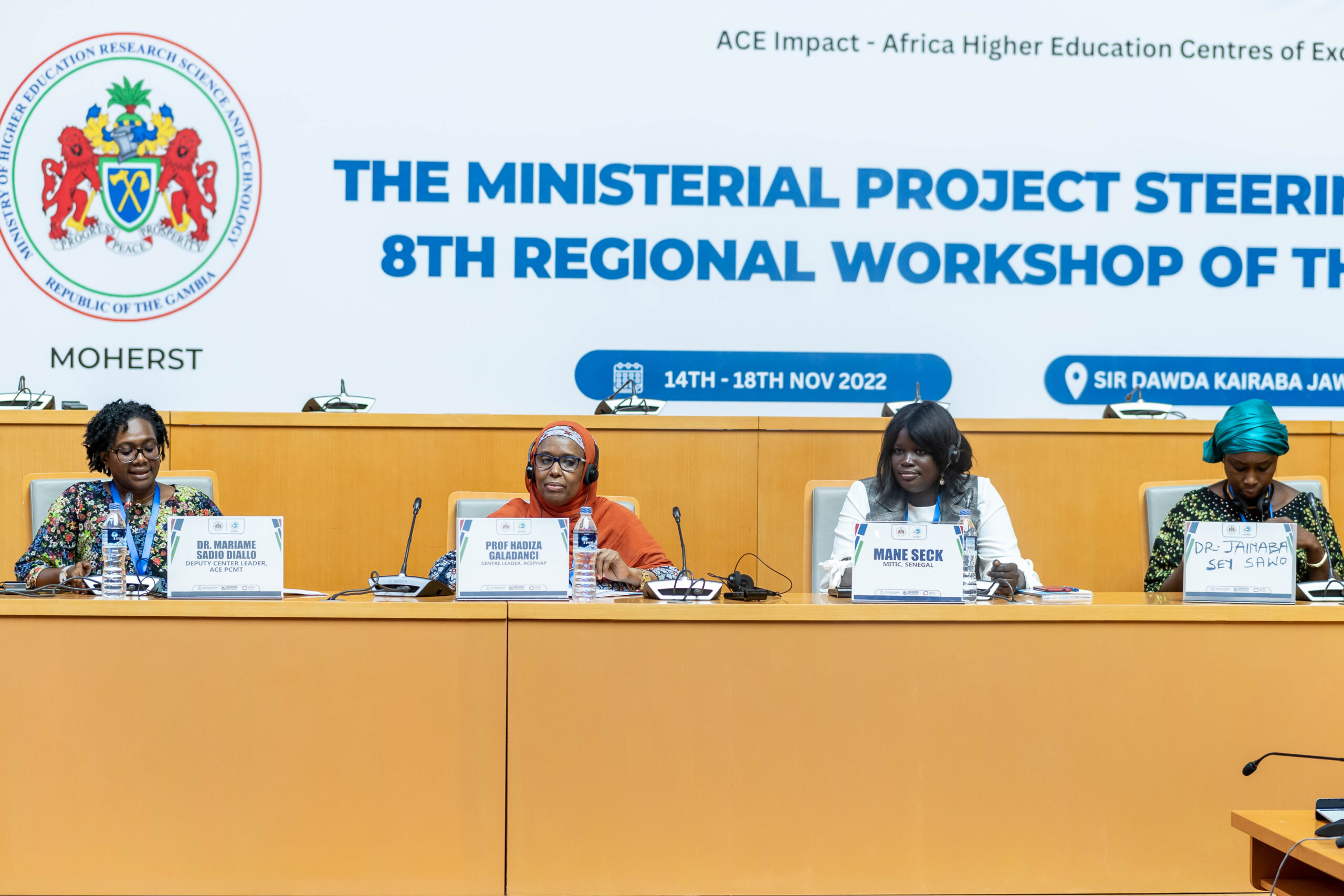 Aside from the keynote speaker, the session featured three panelists, Dr. Mane Seck, MITIC, Senegal, Dr. Grace Sename Peter, ACEGID Nigeria and Dr. Jainaba Sey Sawo (Emerging Center of Excellence on Science, Engineering & Technology for Entrepreneurship)), who are all alumni of the African Centres of Excellence. The objective of the session was to provide an interactive discussion session to help participants reflect on the positive experiences of ACE centers’ female alumni not only for their own sake but also to highlight their contributions to their countries’ economies.
 She said that the ACE Impact, as a project of excellence has put in place strategic measures to empower women and that the ACE story, in terms of how it supports women at the centres – both centre team members and students – to overcome various barriers, must be completely different from what exists in the general society and must strive to continue to impact society as well.
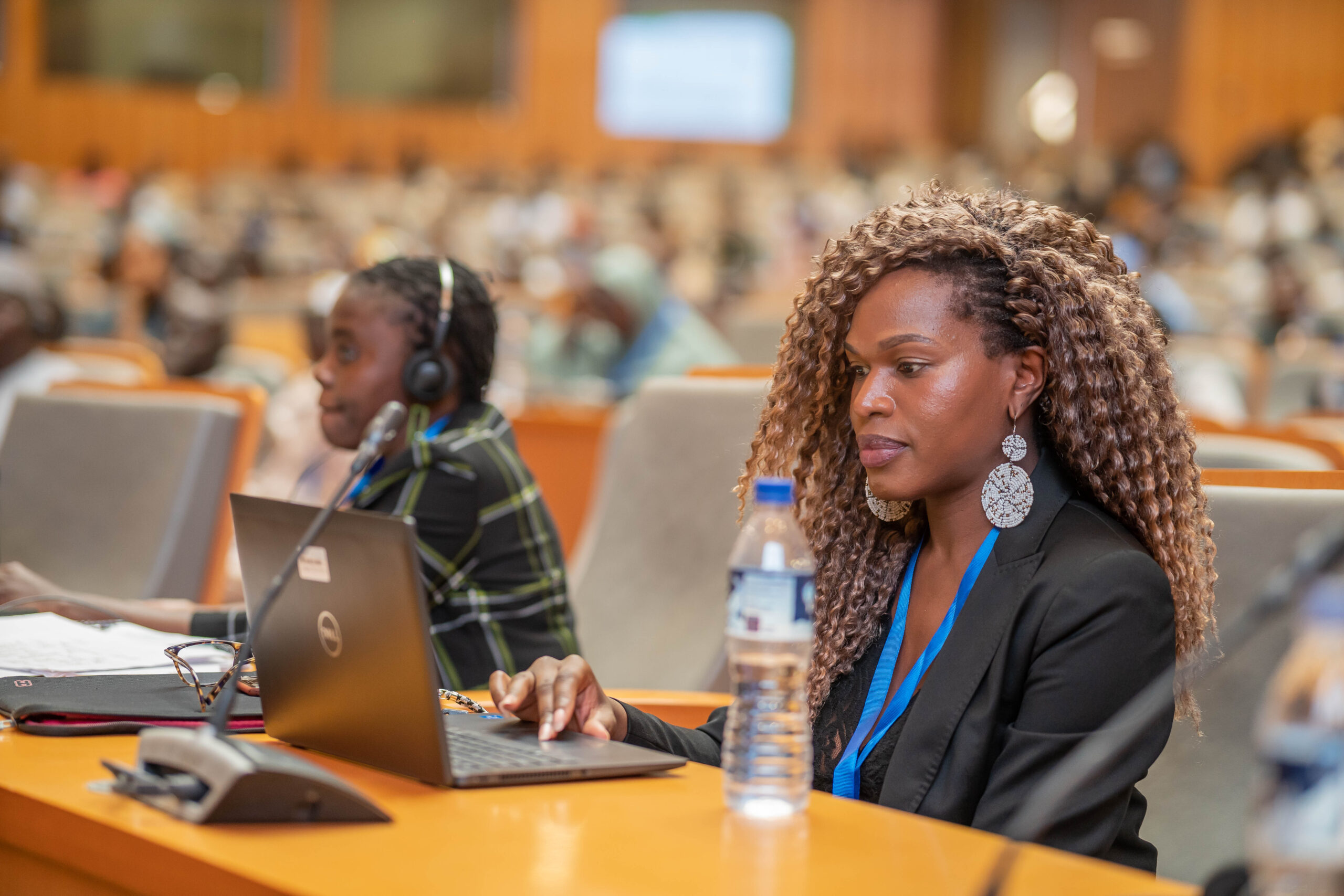 As part of the next steps, the project aims to organise a webinar on Sexual Harassment (January/February 2022), a Leadership Workshop (March/April 2023) and a Careers in STEM Series (May/June) among others.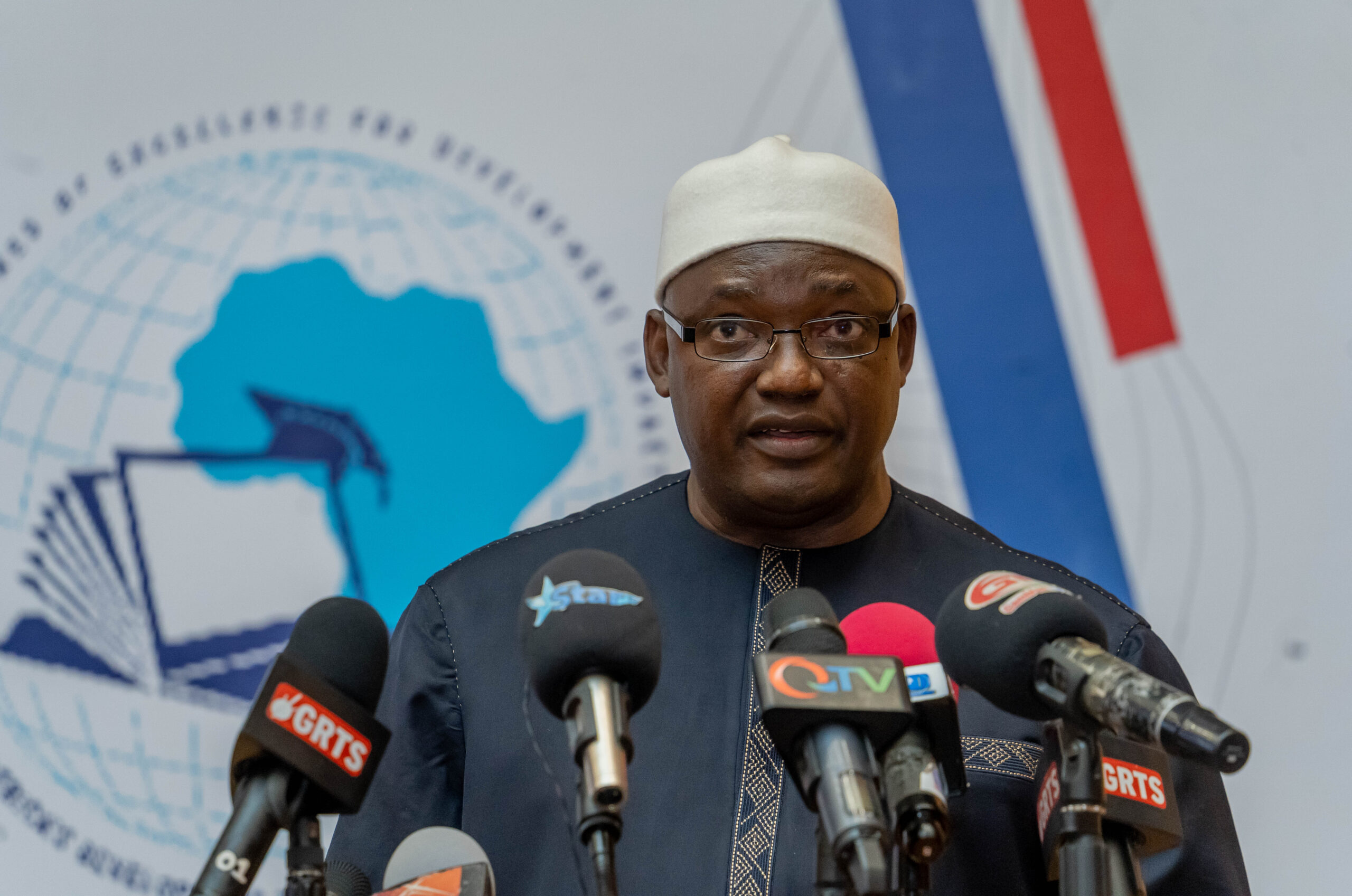
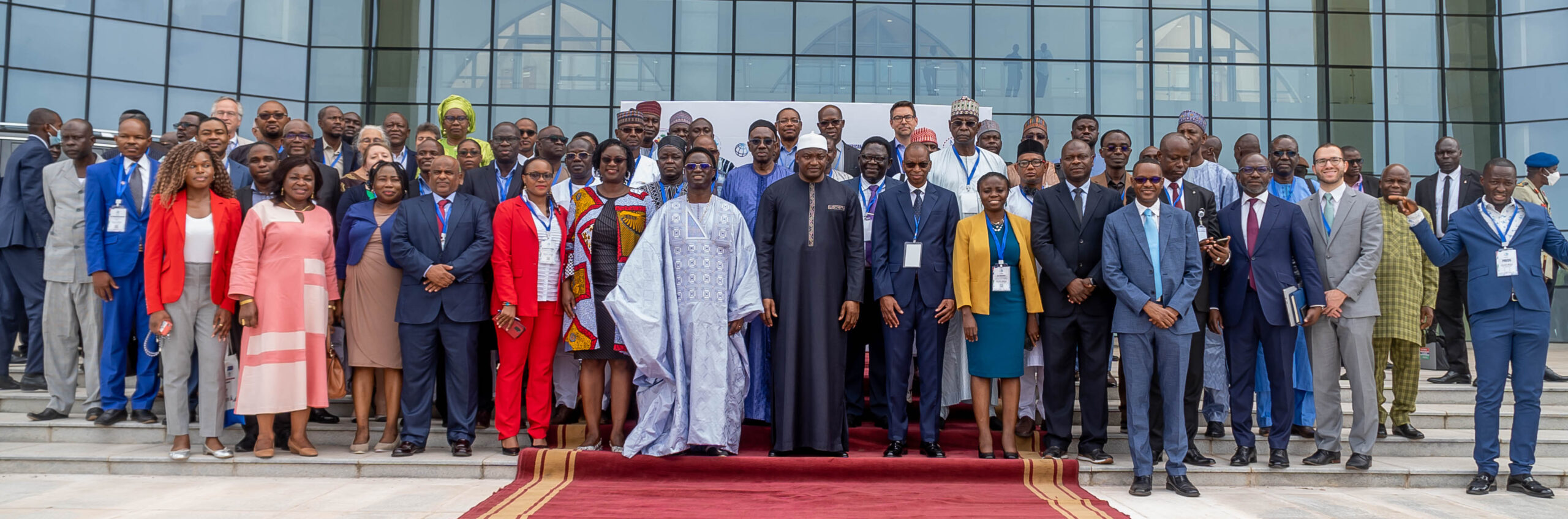
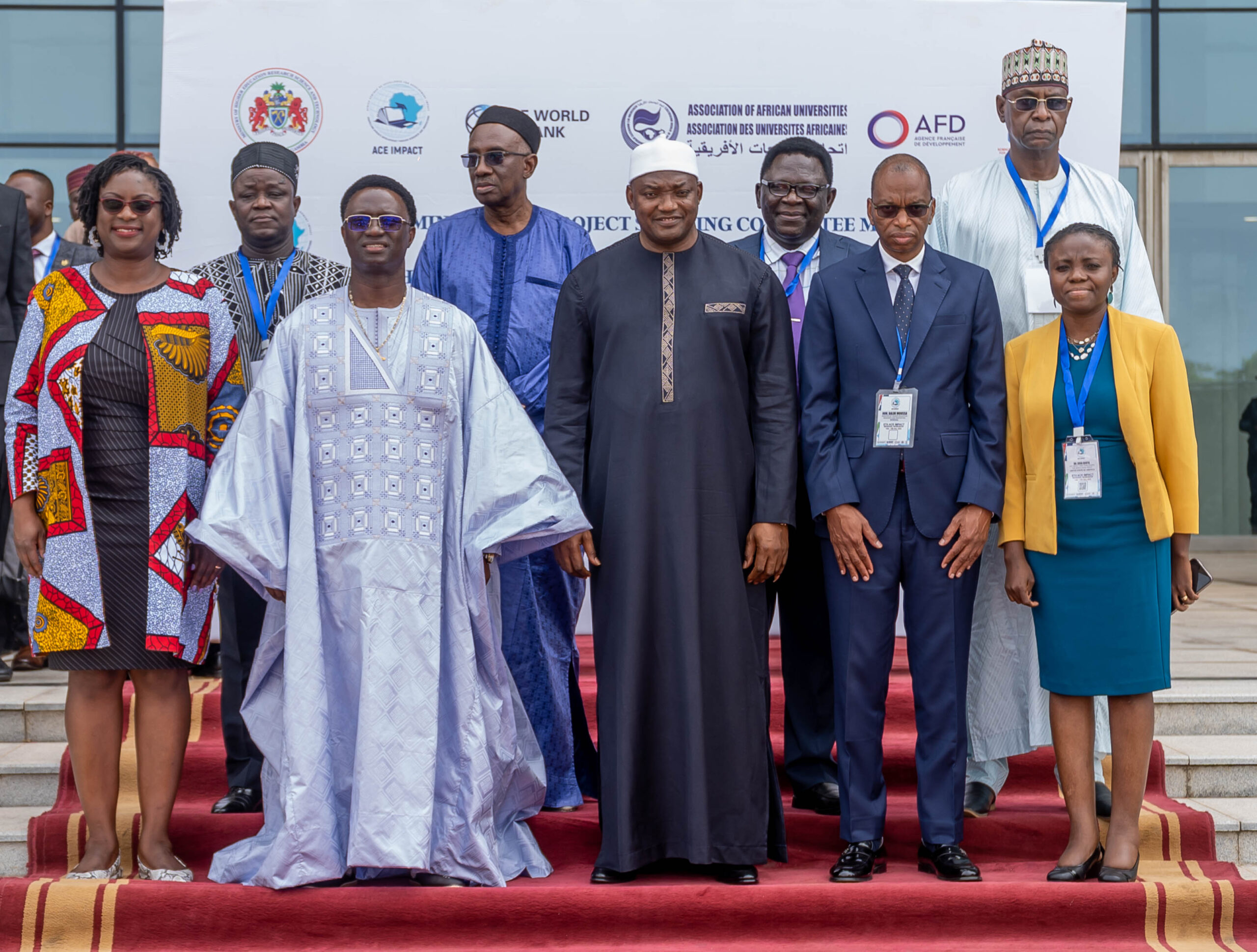
 The opening ceremony was attended by prominent dignitaries including His Excellency, The Gambia President, Adama Barrow (who formally opened the regional workshop), Hon. Professor Pierre Gomez, the Gambia Minister of Higher Education, Research, Science & Technology; Hon. Professor Balde Moussa, Minister of Higher Education & Research of the Republic of Senegal; Hon. Karm Mamoudon, Minister of Higher Education and Research, Niger; Hon. Adama Diawara Minister of Higher Education and Scientific Research, Cote d’Ivoire; Hon. Badara Alieu Joof, Vice President of The Gambia; the Secretary General of the Association of African Universities Professor Olusola Bandele Oyewole; Mrs. Feyi Boroffice, the World Bank Resident Representative for The Gambia; Dr. Laurent Cortese, Deputy Director, French Development Agency (AFD) and several other high-ranking officials from the Republic of The Gambia.
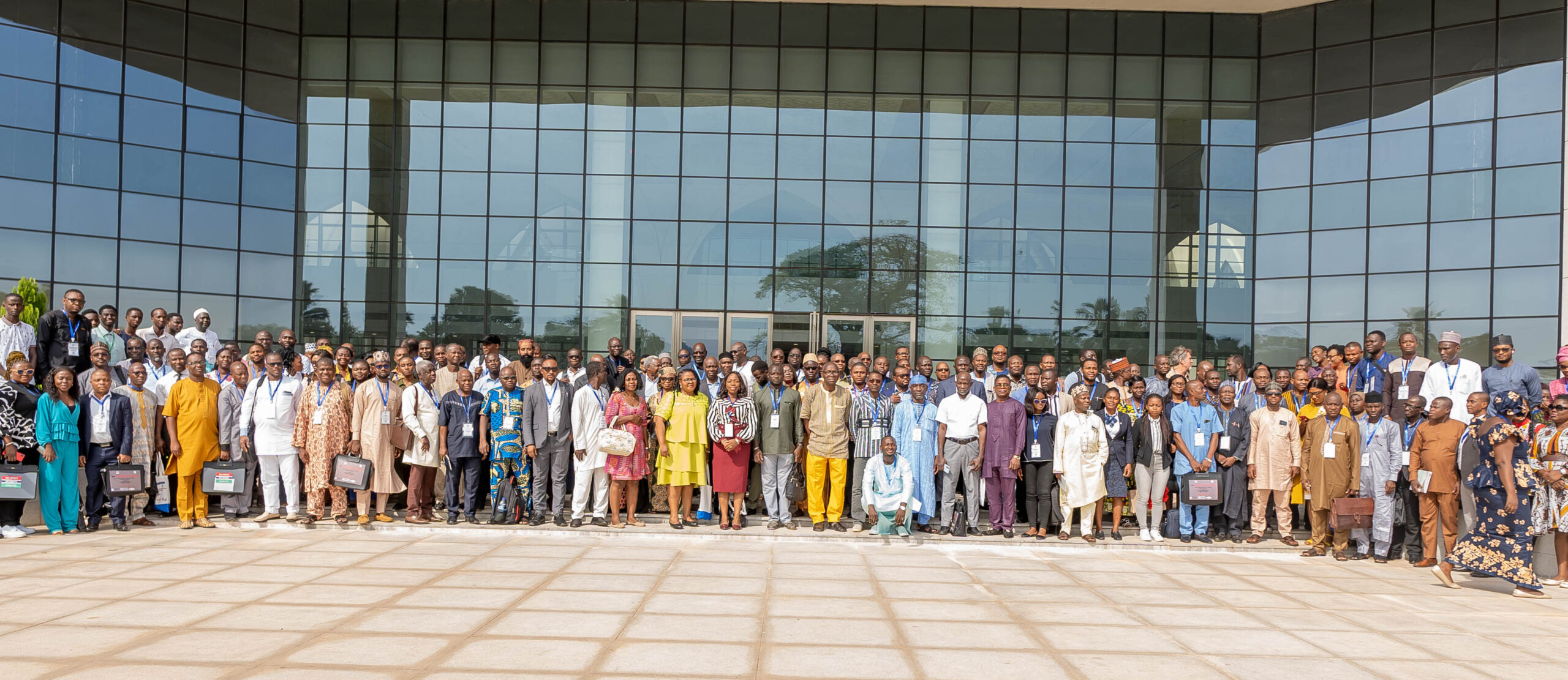
 Dr. Yusupha Touray, the Permanent Secretary of The Gambia’s Ministry of Higher Education, Research, Science and Technology chaired the proceedings of the opening ceremony and welcomed the over 450 delegates to The Gambia – which is also nicknamed the ‘smiling coast’ because the country cuts through the middle of Senegal, with its position appearing like that of a smile on the map of the continent. The other distinguished delegates at this meeting included the Project’s Steering Committee Members, Focal Point Officers, Vice Chancellors, Center Leaders, Deputy Center Leaders, Procurement Officers, MEL Officers, Finance Officers, Environmental and Safeguard Officers, Subject Matter Experts, World Bank Officials, Students, AAU Officials, AFD Officials, and other invited guests.
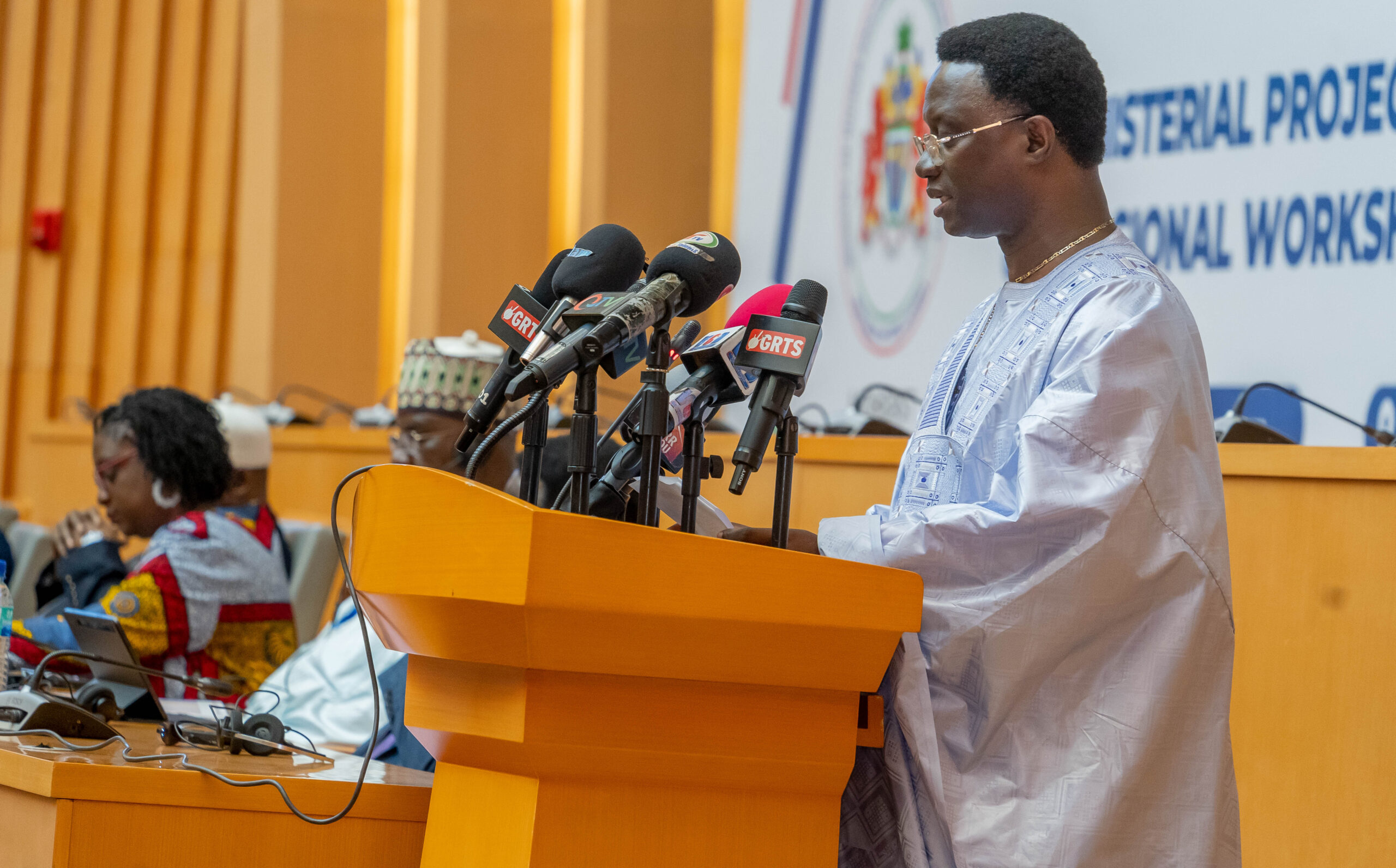 In his welcome remarks, Honourable Professor Pierre Gomez, the Minister of Higher Education, Research, Science & Technology for The Gambia, encouraged participants to take advantage of the 8th ACE Impact Regional Workshop and “establish the right partnerships and networks to help develop Africa’s Higher Education Institutions to be able to compete in the research and innovation global markets”. He acknowledged that The Gambia had benefited tremendously from being part of the Africa Higher Education Centres of Excellence Project – particularly in the areas of human capital development and institutional strengthening. He also said that he was inspired by the diversity of experts from academia and industry who are collaborating under the project to address developmental challenges through education and research.
 Professor Oyewole extended special gratitude to His Excellency Adama Barrow, President of the Republic of The Gambia, Hon. Professor Pierre Gomez, the Minister of Higher Education, Research, Science and Technology, and the Government of the Republic of The Gambia for hosting the 8th Regional Workshop and Project Steering Committee meeting. He also acknowledged the Republic of The Gambia for its support towards the development of African higher education through the ACE Impact project.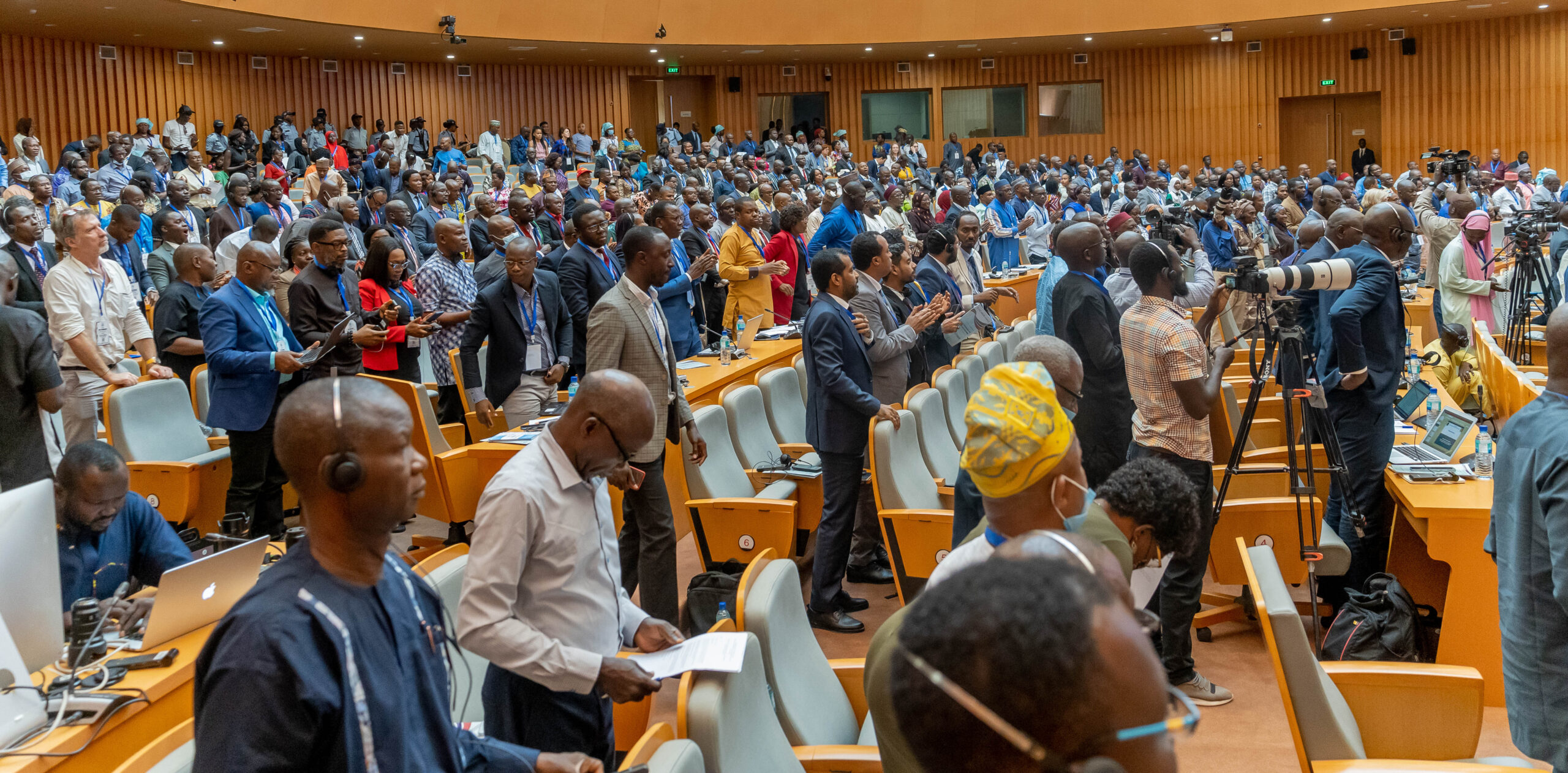
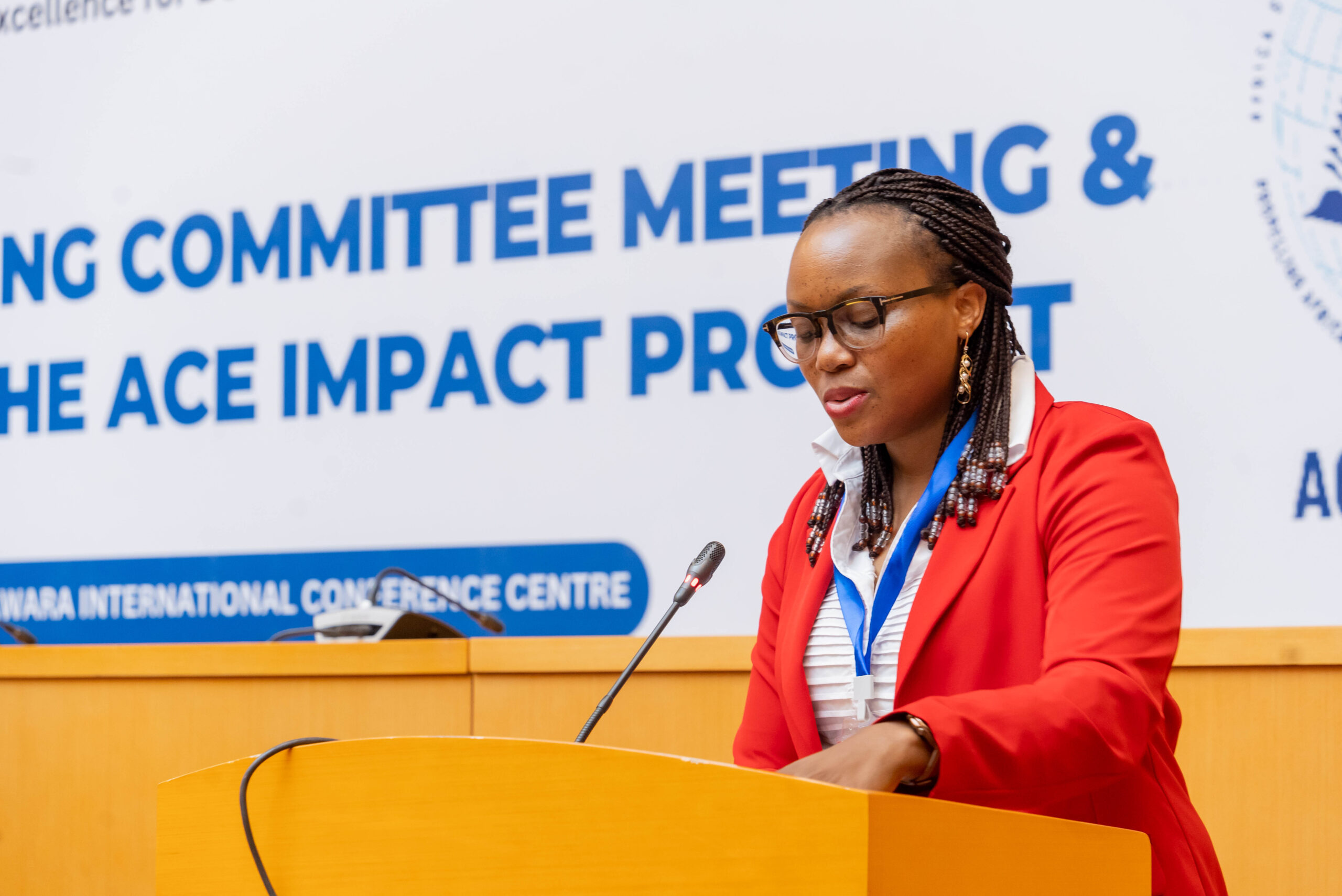 Dr. Mkandawire concluded her report with a call to action for African governments to urgently support the project in the areas of procurement, investments in state-of-the-art infrastructure and sustaining the investments already made. She also reported on the high-level meeting hosted for the ACE Impact Centers and key partners at the World Bank Offices in Washington DC in October 2022. She indicated that the meeting was successful in disseminating the impact of the ACEs and their contributions towards addressing key regional development challenges and global crises in public health, climate change, energy, agriculture, and food.
 She also urged all ACE Impact Centers of Excellence to coordinate with their respective universities’ leadership so they play their roles as part of the ecosystem by providing leadership, vision, policies, and research infrastructure, entrepreneurial curriculum to boost R&D outputs. She stressed that centers must never work in silos and encouraged them to learn from each other and leverage International and Industrial partnerships in order to succeed.