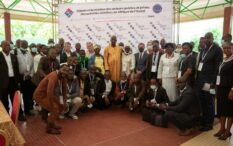
The C-CoDE Initiative kicks off to build competencies in digital education

In September 2021, the Association of African Universities under the Africa Higher Education Centers of Excellence for Development Impact (ACE Impact) Project in collaboration with the EPFL – École polytechnique fédérale de Lausanne (Switzerland) commenced the implementation of the Centers of Competence in Digital Education (C-CoDE) Initiative.

Six (6) ACE Impact host Universities were competitively selected and are being supported to establish Centers of Competence in Digital Education on their campuses to promote the sustainable integration of digital education in the teaching processes, as a means of strengthening the quality of teaching as well as the competencies of graduates.

A total of 12 applications were received from six different countries: eight from anglophone and four from francophone universities. The six selected universities are the National Open University of Nigeria; University of Nigeria, Nsukka; Bayero University, Kano, Nigeria; University of Energy and Natural Resources, Sunyani, Ghana; Université Joseph Ki-Zerbo, Ouagadougou, Burkina Faso; and Université d’Abomey-Calavi, Cotonou, Bénin.

The participating ACE Centers in these universities include the Africa Centre of Excellence on Technology Enhanced Learning (ACETEL), the Africa Centre of Excellence for Sustainable Power and Energy Development (ACE-SPED), the Africa Center of Excellence in Population Health and Policy(ACEPHAP); the Center for Dryland Agriculture(CDA), the Regional Center for Energy and Environmental Sustainability (RCEES); CEA-Centre d’Etudes, de Formation et de Recherche en Gestion des Risques Sociaux (CEFORGRIS) and CEA-SMIA (Centre d’Excellence Africain en Sciences, Mathématiques, Informatique et Application.

This pilot initiative will provide the participating institutions with the training and coaching to transform their educational curricula by integrating modern digital education methods. Each selected University will commit part of their funding from their ACE Impact project (s) towards acquisition of the necessary equipment and a venue to house their C-CoDE. Thirty (30) faculty, three (3) pedagogy engineers and two (2) technical specialists have been identified from each participating university and are being trained. This pilot is being implemented from September 2021 to July 2022.

The broader goal is for the selected Centers to eventually serve other African higher education institutions using a training-the-trainers model, within the broader ACE Impact project portfolio and beyond – across the Sub-Saharan Africa (SSA) region.

On September 21 and 22, the participating universities were engaged in meetings to provide additional information and to launch the operational aspects of the project. Each participating university has identified and confirmed three faculty members that are being trained as experts in digital education. The selected trainees were given the opportunity to familiarize themselves with the Open edX training platform and training materials during the preparation week.

The first workshop for the anglophone participants took place from 4-15 October 2021. The first workshop for the francophone participants is going on from 18-29 October 2021.

Training is innovatively delivered using the flipped classroom style. The quality and engaging learning materials and activities were prepared in advance and made available on the EPFL Open edX platform. The participants study and prepare themselves ahead of the live sessions. During the virtual live sessions, the facilitators provide clarifications concerning the content and learning activities that participants would have gone through. Live sessions are used to building and sharing common knowledge through group activities, live discussions, and presentations. Participants are also exposed to and encouraged to use a variety of online tools and technologies to interact and put in practice teaching paradigms.

 

Contact Information

For further information, kindly contact Dr Sylvia Mkandawire via smkandawire@aau.org and copy Mr Yann Kerloch yann.kerloch@epfl.ch


Background information

The Africa Higher Education Centres of Excellence (ACE) Project is a World Bank initiative in collaboration with governments of participating countries to support Higher Education institutions in specializing in Science, Technology, Engineering and Mathematics (STEM), Agriculture, and Health. The Project aims to promote regional specialization among participating universities in areas that address specific common regional development challenges. It also strengthens the capacities of these universities to deliver high quality training and applied research as well as meet the demand for skills required for Africa’s development. Based on the initial successes, the World Bank and the French Development Agency (AFD) in collaboration with the African governments, launched the ACE Impact Project in 2018 to strengthen post-graduate training and applied research in existing fields and support new fields that are essential for Africa’s economic growth. There are 43 ACEs (25 new ones and 18 from ACE I); 5 Emerging Centers;1 “top up” center in Social Risk Management; and 5 Colleges and Schools of Engineering.


About the Association of African Universities (AAU)

The Association of African Universities is an international non-profit, non-governmental organization created by African Universities to promote cooperation among them on the one hand, and between them and the international academic community on the other. Created in 1967, the AAU is the voice of higher education in Africa. AAU aims to improve the quality of African higher education, and to strengthen its contribution to Africa’s development by supporting the core functions of higher education institutions and facilitating critical reflection and consensus building on issues affecting higher education in Africa. The AAU is the Regional Facilitation Unit of the Africa Centres of Excellence project.


About the World Bank Group

The World Bank Group is a multilateral development institution that works to reduce poverty. Its subsidiary IDA (International Development Association) finances the Africa Centres of Excellence series of projects. Established in 1960, IDA helps the world’s poorest countries by providing grants and low to zero-interest loans for projects and programs that boost economic growth, reduce poverty, and improve poor people’s lives. IDA is one of the largest sources of assistance for the world’s 75 poorest countries, 39 of which are in Africa. Resources from IDA bring positive change to the 1.5 billion people who live in IDA countries. Since 1960, IDA has supported development work in 113 countries. Annual commitments have averaged about $18 billion over the last three years, with about 54 percent going to Africa.

About EPFL (École polytechnique fédérale de Lausanne)

EPFL is Europe’s most cosmopolitan technical university with students, professors, and staff from over 120 nations. Founded in 1853, the École Spéciale de Lausanne was renamed École polytechnique fédérale de Lausanne in 1969. EPFL is a research-intensive institution specializing in Science, Technology and Engineering with a strong focus on Life Science and Digital Sciences. It is one of the two Swiss Federal Institutes of Technology, and it has three main missions: education, research and technology transfer. EPFL is a bilingual Technological University (French-English) located on the shores of Lake of Geneva in Lausanne (Switzerland). EPFL works together with an extensive network of partners including other universities and institutes of technology, secondary schools and colleges, industry and economy, political circles and the general public, to bring about real impact for society.
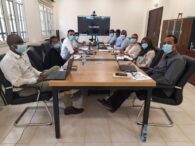


5th ACE Impact Virtual Regional Workshop Concludes in Success

5th ACE Impact Virtual Regional Workshop Concludes in Success 

ACEs Convene to Assess Project Progress and Strengthen Research Across Africa

The 5th Africa Higher Education Centres of Excellence for Development Impact (ACE Impact) Workshop was held virtually from May 24th -28th, 2021. The meeting was well attended with over 450 participants from the fifty-three (53) Centres of Excellence, government representatives from participating countries, Vice Chancellors, higher education stakeholders, the private sector, policy think tanks, subject matter experts and partners such as the World Bank (WB), the French Development Agency (AFD) and the Association of African Universities (AAU). The meeting provided the platform for peer learning among the centres. It also created the avenue for centres to build networks, and forge partnerships for project implementation and sustainability. The workshop focused on assessing progress in the implementation of the project, highlights on the digital education network project, which seeks to exploit the advances in digital technologies for education towards the transformation of teaching practices for the benefit of students; inter ACE Impact networking initiatives; ACE Impact project’s engagement with the Partnership for skills in Applied Sciences, Engineering and Technology (PASET).   


Remarks from Partners

The workshop commenced with welcome remarks from the AAU Secretary General, Prof. Etienne Ehile, the World Bank Education Practice Manager Halil Dundar and Dr. Quentin Delpech on behalf of Marion Aubourg, Deputy Director, AFD Education Division. In his address, Professor Ehile commended the ACE Impact stakeholders- the RFU, WB, AFD, Experts and centres for their commitment, flexibility, and innovativeness in ensuring the implementation of the project despite challenges posed by the COVID-19 pandemic. He noted some achievements at par with the project development objectives including expansion of access to quality programs, quantity of education, strategic regional specialization and collaboration and development impact of Education globally. He concluded that, the evolving educational landscape presents an opportunity for the African Higher Education Institutions to exploit transformative teaching and learning skills and knowledge. In addition, Mr. Dundar from the World Bank reiterated the need to improve quality teaching and learning in Africa HEI through innovation. Mr. Dundar explained that the ACE Impact Project has chalked remarkable successes despite operational challenges faced as a result of the COVID pandemic, particularly in research and innovation, noting the contributions of some ACEs such as ACEGID (African Centre of Excellence for Genomics of Infectious Diseases) WACCBIP (West African Centre for Cell Biology of Infectious Pathogens) in managing the pandemic in their respective countries and continentally. Again, he commended the AAU’s dedication in the implementation of the project. Centres were encouraged to leverage on the meeting to broker partnerships and networks. In his remarks, Dr. Delpech also emphasized the AFD’s continuous commitment and support to the project.


Update on Project’s Progress

In presenting the Project Progress Report, Dr. Sylvia Mkandawire, the ACE Impact Project Manager noted that between October 2020 and May 2021, the project successfully held – capacity building webinars in Communication, M&E, Institutional accreditation, publications and scientific communication, program accreditation. 44 virtual meetings across the 10 participating countries to engage centres & experts in accelerating approval of Annual Workplans and technical support across DLRs.    

Breakdown of centres’ achievements in line with the Disbursement Linked Indicators (DLIs) are indicated below: 


Networking and Peer Learning

Building networks and forging sustainable partnerships are vital benchmarks in making impactful contributions to Africa’s development. In view of this, the ACE Impact Project provides the platform for peer learning among the ACEs and inter- ACE collaborations through the establishment of thematic and educational networks as well as the bi-annual workshops. The project also encourages partnerships with industries and institutions outside the region. The fifth ACE Impact workshop provided a forum for centres to share their experiences and seek expert advice in areas they find challenging. The parallel sessions and clinics held on Wednesday May 26 and Thursday May 27 respectively facilitated the exchange of ideas and expert recommendations in meeting project goals and objectives. The parallel sessions and clinics covered M&E verification, Procurement, Financial Management and Disbursement, Safeguards and Institutional safeguards, presentations and discussions were led by specialists from the Association of African Universities and the World Bank.   


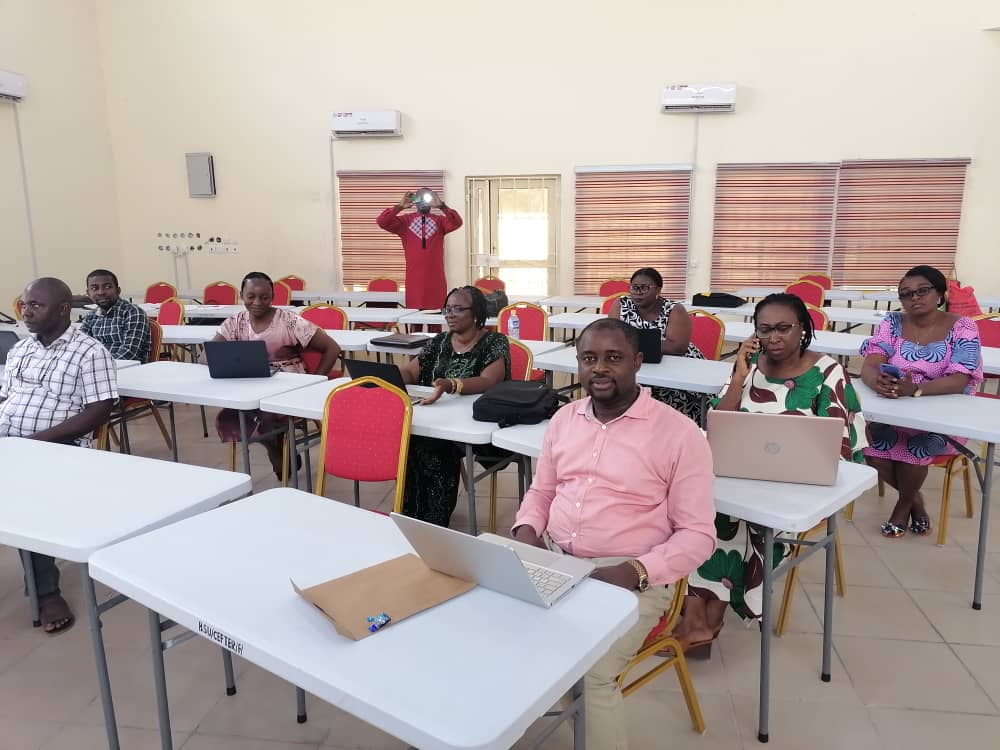
CEFTER, Nigeria team members participating in the 5th ACE Impact Virtual Regional Workshop

Transformative Research Undertaken by the Centres

Centres were also given the opportunity to highlight some research conducted in addressing developmental challenges. Director for the West African Centre for Crop Improvement (WACCI) in Ghana, Professor Eric Y. Danquah provided an overview of new maize hybrids developed by the centre which are aimed at enhancing genetic gains for food and nutrition security in Ghana and beyond. In addressing low productivity in yields, plant breeders can contribute to higher yields by developing improved varieties that are suited to their countries’ particular agro-ecological conditions. Through extensive research, the new maize hybrids developed by the centre are high yielding maize varieties which take between 80-95 days to mature. They include the “Abeefo Aburo, Akuafo Aburo and Legon Aburo”.  He concluded that, working through strategic partnerships can help improve the human conditions through plant science.    

Also, OUSMANE YOUME from the Centre of Excellence in Mathematics, Informatics and ICT in Senegal presented on  “Deep Learning and Remote Sensing: Detection of Dumping Waste using UAC.” The research is crucial as environmental protection remains vital to sustainable development. Through the application of deep learning and architecture, the research introduced techniques to detect and segregate waste to facilitate its treatment, tools for environment monitoring, as well as detection of anomalies such as dumping waste, flooding, among others. These, among other research conducted at the centre underscores the contributions and impact made by the centres of excellence continentally.  


“I would never have done this without my love for what I do is my driving force”, Meet Grace Who Fights Malaria in Nigeria

“My love for what I do is my driving force”, Meet Grace Who Fights Malaria in Nigeria


Launched in 2014, the Africa Higher Education Centers of Excellence (ACE) Program seeks to meet labor market demands for skills in specific and priority fields. It has become synonymous with delivering quality and relevant post-graduate education supporting over 14,000 Masters and PhD students in agriculture, health, and other sciences, of whom  30 percent are women. Meet Grace who shares her experience and the challenges she overcame.

ABUJA, Nigeria, July 15, 2021—“Where do I go from here?” This is the question constantly on the mind of Grace Peter, a young lady of Beninese and Nigerian descent. The youngest of five children, she has always had a deep love for science and research. This propelled her to the African Center of Excellence for Genomics of Infectious Diseases in Nigeria, where she pursued an Master of Science (MSc) in Microbiology.

Grace’s studies focused on anti-resistant bacteria, and specifically, using molecular techniques to identify mutations in the Plasmodium falciparum parasite, known more commonly as malaria. This focus, she says, was borne out of the fact that Africa has fewer preventive measures when it comes to diseases and infections.

The teaching and facilities at the Center of Excellence exceeded Grace’s expectations, opening her mind to the different ways that her scientific and research skills could be used for the benefit of Nigeria and Africa. She is passionate about using local solutions and resources to address regional issues. “We can’t always wait for the Westernized countries to come in and solve our problems for us. We are not deficient when it comes to manpower or intelligence. Why not utilize what we have to solve our own problems?”


Understanding the value of research

Grace is now studying for a PhD in Microbiology with a focus on antibiotics in the environment. She is planning to use her knowledge of biochemistry to develop a technique to eliminate antibiotics in wastewater collected from hospitals. Treatment plants for wastewater in Nigeria are few in number and expensive to maintain, which has long-term consequences for society. “All the wastewater collected from farms, or run-off from hospitals and pharmaceutical companies just gets released into the environment and goes into the groundwater and surface water. People end up consuming this, predisposing them to infections they are probably not able to treat in the long-term, due to exposure to antibiotics.”

“We’re going to trial how we can use control measures by setting up treatment plants that can be maintained in different sectors to see how we can treat the waste before it is released into the environment.” In addition to her scholarly pursuits, Grace is the editor of Water Magazine, a publication that aims to sensitize her fellow Nigerians about the importance of the environment, and how it can become “a point of exposure” if not treated properly. For research to be effective, she stresses, the public must understand how it benefits them.

Our research must not only end in the laboratory. It must go from the lab to the environment and meet the needs of people.”

The sky is your limit

Grace plans to go into full-time research after completing her studies, as she wants to keep abreast of new technologies and techniques. She is devoted to her work and admits that she does not have much time for socializing.

Fortunately, there is little pressure from her family, as she grew up in a single parent household and saw that her mother was able to raise her children and hold down a job. Instead, most of the anxiety comes from her work colleagues, who say that “men get intimidated by intelligent women or by the fact that I will have a PhD.”

However, Grace is undeterred. “I don’t pay attention to it. My love for what I do is my driving force. My job is very demanding, and my partner will need to understand, see my passion, and want to help me advance.”

She is similarly forthright in her message to young African women, encouraging them to ignore naysayers and to believe in themselves. “Understand that you come first. You matter. Your main purpose is not to be a wife or to only deal with the affairs of home. You can give care when it comes to engineering or agriculture or health. The whole idea is that you are being productive and helping the lives of other people.


“Never limit yourself. Through passion, you will bring forth true accomplishment.”


By Melissa Bryant, External Affairs Officer, World Bank

Source: https://www.worldbank.org/en/news/feature/2021/07/15/-i-would-never-have-done-this-without-my-love-for-what-i-do-is-my-driving-force

SIXTIETH ANNIVERSARY OF ENSEA: TWO INTERNATIONAL CONFERENCES TO LAUNCH THE CELEBRATIONS

SIXTIETH ANNIVERSARY OF ENSEA: TWO INTERNATIONAL CONFERENCES TO LAUNCH THE CELEBRATIONS

Since 1961, the Ecole Nationale Supérieure de Statistique et d’Economie Appliquée (ENSEA) of Abidjan has trained more than 4000 graduates from 27 African countries and Haiti. For the celebration of its sixtieth anniversary, several scientific and festive activities are organized since May 2021.

To this end, ENSEA of Abidjan, African Centre of Excellence in Statistical Training and the Econometric Society (ES) organised the 2021 edition of the Africa Summer School in Econometrics (ASSE 2021) for the first time in Africa and the 6th edition of the Africa Meeting of the Econometric Society (AFES 2021) which took place from 26 May to 2 June and from 2 June to 5 June 2021, respectively.

A total of 60 people consisting of doctoral students and young researchers from various institutions from several African and non-African countries took part both online and face to face in the 2021 edition of the African Summer School, “a great first in Africa”, according to the director of ENSEA, Hugues Kouadio. 14 training sessions and a Marschak conference on the theme: “On the econometrics of subjective probability distributions: modelling beliefs about future income” were held at ASSE 2021.

This Summer School aims to promote the culture of economic analysis based on state-of-the-art quantitative methods based on statistical and econometric theories.

Led by eminent professors including economist Manuel Arellano from the University of Madrid in Spain, the course focused on five specific areas, including “Causal inference and policy evaluation with experimental and non-experimental data”, “New trends in panel data analysis methods”, “Bootstrap methods”, “Financial economics”.

“I invite you to build a community of practice from this training and to share the knowledge you will have acquired in your respective research centres and communities,” said the director of ENSEA.

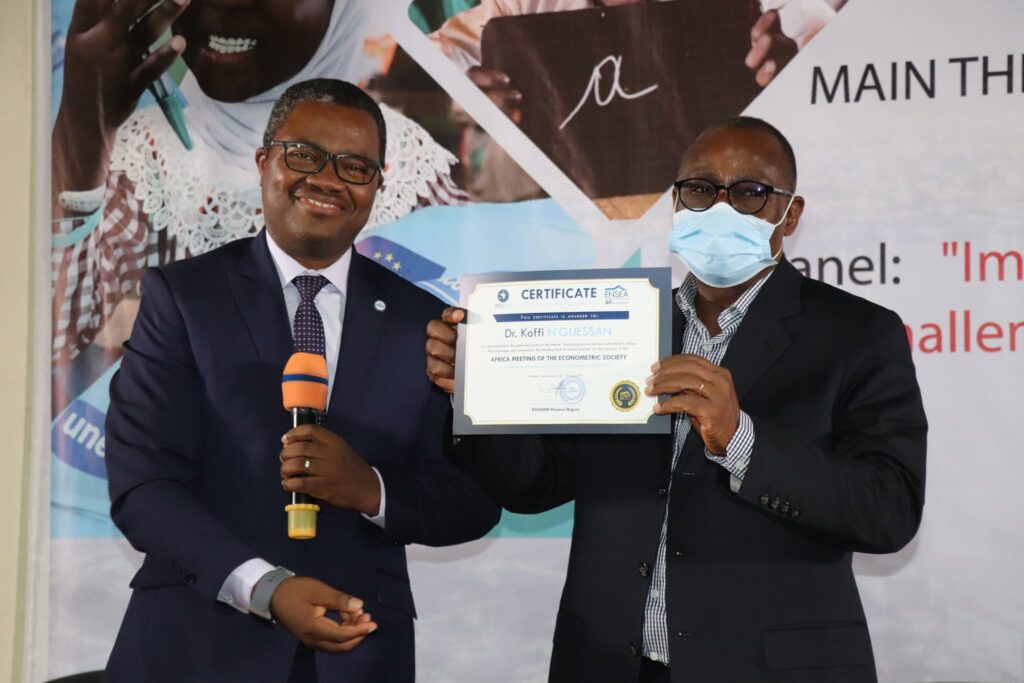
As for the Africa Meeting of the Econometric Society, more than 320 participants from all over the world took part in 158 parallel sessions for the presentation of scientific papers. The meeting culminated in a panel discussion on “Improving Pre-Secondary Education in Africa: Key Challenges and Solutions for Human Capital Development”. This panel, rich both in terms of the quality of the panellists and the theme addressed, saw the participation of the Minister of Technical Education, Vocational Training and Apprenticeship and the Deputy Chief of Staff of the Ministry of National Education and Literacy, representing Mrs. Mariatou KONE, alongside Mr. Gilles Fagninou, Secretary of the Executive Board of UNICEF, and academics such as Prof. Mbiti Isaac, from Virginia University (USA) and Prof. Yaw Nyarko from New York University, for moderation.

This 2021 edition in Côte d’Ivoire was an opportunity to bring together leading economists to discuss issues related to development, education and human capital that correspond to political debates in many African countries, including our own.

It must be said that AFES 2021, which witnessed the participation of renowned researchers such as the 2000 Nobel Prize winner in Economics, the second most influential economist in the world, le Professeur James Heckman,  Manuel Arellano (CEMFI, Madrid), Lisa Cook (Michigan State University), Pascaline Dupas (Stanford University), Kirabo Jackson (Northwestern University), Yaw Nyarko (New York University). Pinelopi Goldberg (Yale University), current President of the Econometric Society, kept all its promises and was well attended by researchers and academics, but also by the quality of the keynote addresses in the field of econometrics. It is part of the scientific activities initiated by the Director of ENSEA, Dr. Hugues KOUADIO, on the occasion of the 60th anniversary of the institution.

A certificate was awarded to each participant either for participation or for presenting a scientific paper in the 41 parallel sessions. The best paper award was won by Ramaele Moshoeshoe from the University of Lesotho with his paper: Long Term Effects of Free Primary Education on Educational Achievement: Evidence from Lesotho. He won a research stay in the research laboratory of the ‘‘Annals of economics and statistics’’ journal.

Centres of Excellence Gain Recognition for their Contributions/ Centres’ Faculty and Students Awarded for their Contributions

Centres of Excellence Gain Recognition for their Contributions/ Centres’ Faculty and Students Awarded for their Contributions


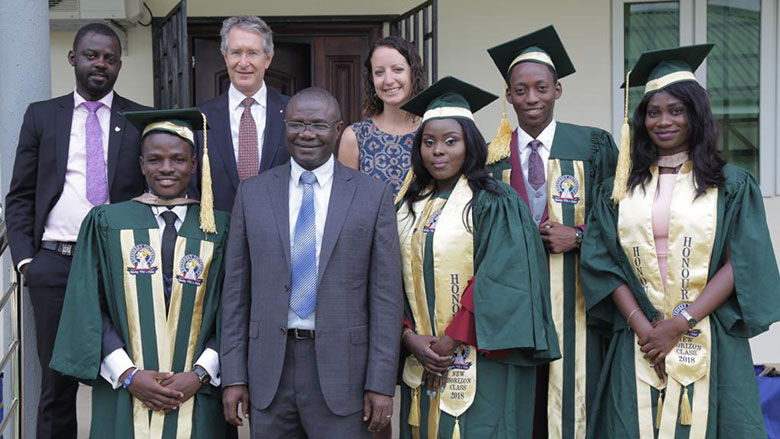
The ACE Impact project is proud to announce the awarding of numerous milestones for our centres of excellence across the region. ACE Impact seeks to empower universities in Africa to deliver quality education and applied research by providing the needed infrastructure for an enabling environment, laboratories and equipment, training of faculty, among others. In view of this, the ACE Impact Centres are making productive strides in their contributions in addressing developmental challenges within the region. Relentless efforts made by both centre faculties and students in delivering impactful research and remarkable services in their respective fields are being duly acknowledged by the relevant stakeholders through awards.  

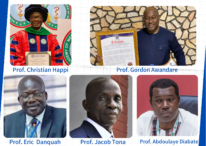
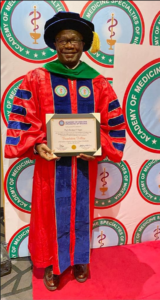
Notable among these awards include: The 2020 Bailey K. Ashford Medal by the American Society of Tropical Medicine and Hygiene received by Prof. Christian Happi, Director for the African Centre of Excellence for Genomics of Infectious Diseases (ACEGID) in Nigeria. The award is in recognition of his contribution in research on infectious diseases. Prof. Happi has also been appointed Chair of the Research and Ethics Committee of the Academy of Medicine Specialties of Nigeria. 


Prof. Gordon Awandare of the West African Centre for Cell Biology of Infectious Pathogens (WACCBIP) received two awards from the University of Ghana during the College of Basic and Applied Sciences (CBAS) Meritorious Awards ceremony. One in recognition of his outstanding service to the College and University and another for his leadership in COVID-19 research to support national response.


Similarly, Prof. Eric Y. Danquah of the West Africa Centre for Crop Improvement (WACCI) was a recipient of the CBAS Meritorious Awards ceremony for his exceptional service to the College. He is also the 2018 Laureate of the Global Confederation of Higher Education Associations for Agriculture and Life Sciences (GCHERA) World Agriculture Prize. 
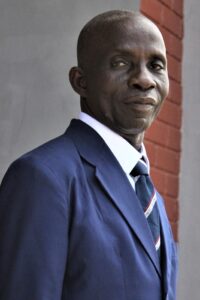
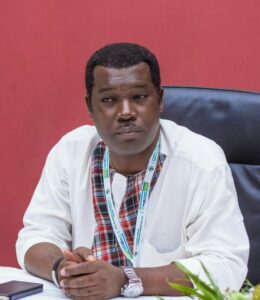


In addition, Prof. Jacob K. Tona of the Centre of Excellence in Poultry Science (CERSA) in Togo has been awarded by the World Poultry Science Association (WPSA) as winner of the WPSA Education Award. In acheiveing a new milestone, he is the first African recipient to win the award.  


Professor Diabate Abdoulaye, the Centre Director for the African Center of Excellence in Biotechnology Innovation for Vector-borne Disease Elimination (CEA/ ITECH-MTV) also received the Newcomb Cleveland Prize for his outstanding research on fighting malaria in Africa. 


Regarding students’ excellence, Mrs. Njabeh Rita Bonwi and Mr. Richard Kwame Dogbey pursuing MPhil in Irrigation and Drainage Engineering at the West African Centre for Water, Irrigation and Sustainable Agriculture (WACWISA) in Ghana received an award prize of US$ 2,000 each from the 2020 African Plant Nutrition Scholar Award. 


We congratulate the winners for these achievements. The ACE Impact project will continue to provide the necessary support and encouragement to centres in maximizing their potentials. 

Gambian Minister of Higher Education and Delegation visit ACE Impact Centre (KEEP) to Strengthen Existing Collaboration and Partnership

Gambian Minister of Higher Education and Delegation visit ACE Impact Centre (KEEP) to Strengthen Existing Collaboration and Partnership

The strong collaboration between the Gambian Ministry of Higher Education and the KNUST Engineering Education Project (KEEP) is a shining example of successful regional collaboration and one that the ACE Impact project promotes. 

On June 1, 2021, honorable Badara A. Joof, the Minister of Higher Education, Research, Science and Technology (MoHERST) of The Gambia and a delegation from the Gambian Technical Training Institute (GTTI) visited the Kwame Nkrumah University of Science and Technology (KNUST), and the ACE Impact Center – KEEP, hosted by the KNUST in Ghana.   

The KNUST Engineering Education Project (KEEP) has a collaboration with the GTTI and provides mentorship to help transform the technical Institute into a technical university, with the capacity to offer core engineering degree programs. The purpose of the meeting included strengthening collaboration between the two parties in the areas of offering short-courses, training, and mentorship of PhD students, enrolling mature students, training of MSc. students to serve as Research Assistants and Laboratory Technicians and to officially finalize the contractual agreement between GTTI and KNUST. 

The Gambian delegation was received by the Vice-Chancellor of KNUST, Professor (Mrs.) Rita Akosua Dickson, who assured the team of the institution’s commitment to ensuring an effective collaboration and implementation of the key areas of the partnership. The team also took advantage of their presence in KNUST to interact with students from the Gambia (47 undergraduates, 10 PhDs and 2 Master’s students) who have been enrolled in the Department of Civil, Electrical and Electronic and Mechanical Engineering in KNUST.  

Meeting with the AAU, University of Ghana, and the Ghana Tertiary Education Commission

The Regional Facilitation Unit of the ACE Impact Project, the Association of African Universities (AAU), facilitated meetings between the Gambian delegation and the University of Ghana, the Ghana Tertiary Education Commission (GTEC) and the AAU Team. In all three institutions the delegation was received by the heads of the institutions, – the Secretary General, Prof. Etienne Ehile of the AAU, the Vice – Chancellor, Prof. Ebenezer Oduro Owusu of the University of Ghana, and the Director-General of the Ghana Tertiary Education Commission (GTEC), Prof. Mohammed Salifu 

Key discussions at these meetings focused on the parties’ identifying key ways of strengthening existing collaboration between Ghana and the Gambia in Education. Prof. Badara Joof, the Gambian Minister of Education reiterated the Gambia’s high regard for higher education institutions in Ghana and generally the West Africa sub-region.  He called on the institutions they visited (UG, AAU and GTEC) to help build Gambia’s capacity in quality assurance and other relevant areas to enable the country achieve excellence in their tertiary and higher education sector. 

Prof Hadiza Shehu Galadanci-The importance of mentorship to develop future female leaders

Prof Hadiza Shehu Galadanci-The importance of mentorship to develop future female leaders

Prof. Hadiza Shehu Galadanci is the center leader for the Africa Center of Excellence for Population Health and Policy (ACE PHAP), hosted in Bayero University Kano, Nigeria.  As one of the two female Centre leaders under the ACE Impact project, the AAU communications teams engaged her to hear her story and to highlight key leadership lessons and qualities for success, in a bid to inspire the next generation of female leaders.


Education and Background

Prof. Galadanci obtained her medical degree (MBBS) in 1987 at the Ahmadu Bello University, Zaria, in Nigeria. With an impressive academic track record, she was awarded the Fellowship of West African College in 1998 from the Lagos University Teaching Hospital. She then obtained an MSc degree in reproductive health and sexual health research (MSc RHSHR) from the University College London, UK and a Diploma from the London School of Tropical Medicine and Hygiene (LSTM&H), UK.   She has been a member of the Royal College of Surgeon (MRCOG) since 2002 and a Fellow of the Royal College (FRCOG) since 2014. In addition, she obtained a Project Management Diploma from Galilee International Management Institute, Israel, in 2018. 


Prof. Galadanci’s Leadership Journey

From 2002-2006, She was the Head of Department of Obstetrics and Gynaecology, at the Faculty    of Medicine, Bayero University Kano.  She also served as the President of the Medical Women Association of Nigeria, Kano State Branch in the years 2002-2008. Having excelled in the various leadership capacities she had occupied, Prof. Galandanci continued to be noticed, and be appointed to serve in numerous high level positions, including serving as the Director for the Centre for Advanced Medical Research and Training, Bayero University Kano (BUK), the Coordinator of Masters in Reproductive Health Program in the Department of Obstetrics and Gynaecology of Bayero University Kano,  and the Vice-Chairperson for the National Reproductive Working Group (NRWG), 2008- 2014.  She has been the Director/Center Leader for the African Center of Excellence for Population Health and Policy, BUK, since 2019.


Key Achievements and Awards Received

Prof. Galadanci made history as the first female professor in medicine in her institution and in her state (Kano State, Nigeria). In recognition of Professor Hadiza Shehu Galadanci’s outstanding efforts and contributions to the medical and health sector, she received the International Federation of Gynecology and Obstetrics (FIGO) Women Award in 2018, at the FIGO World Congress, Rio De Janeiro, Brazil.   

She has also received many awards and honors , including ; the Distinguished Merit Award in recognition of her contribution to strengthening maternal health in Nigeria, (July, 2005); Merit Award presented by FEDWA in recognition of her immense contribution to Women’s Development and Capacity Building, (2008); REAGEM Award for her Outstanding Capacity Building in Health and Disease, (2009); and Paul Harrison’s Fellow Award presented by Rotary International in appreciation of her significant assistance in promoting a better understanding and friendly relationship amongst people of the world, (2009). 

Additionally,  Professor Hadiza received a KAMSA Merit Award from the Kano State Medical Students Association in recognition of her immense contribution to the Development and Progress of Medical Students in Kano State, (2010); Red Ribbon Award for Dedication and Outstanding Commitment to Combat HIV/AIDS in Nigeria presented by Masterpiece Health and Development, (2010); Kano State Government Merit Award in recognition of her outstanding achievement/contributions to the Government and people of Kano State, (1st October, 2010); and Kano State Certificate of Honor in recognition of the immense contributions of Professor Hadiza Shehu Galadanci to Kano State. 


Excelling as a Woman

“Being a leader requires a number of skills including being hard working, innovative, a good team player and having good management skill.  However, for a female to be successful as a leader she must work twice as hard as her male counterpart and still find a good balance as a wife, mother, and career woman”, she said.  

Hadiza talks about the importance a good family support system plays and expressed gratitude to her parents, spouse, and children. “I could not have been where I am without the unrelenting support, assistance, and encouragement from my parents and my husband, as well as the sacrifice of my children”.  

She emphasizes the key role mentorship plays and encourages all females in leadership positions to purposefully mentor younger colleagues, and give them all the support, guidance, encouragement, and inspiration, they require to achieve their full potentials. “My first Mentor was my father, whom I always look up to and wanted to become like him, a Professor and I thank God that I was able to achieve that. I have also had my teachers as my mentors along the way. Along my journey I   received guidance, support, assistance and inspiration from my mentors. These have been very key to my success and have contributed greatly to what I am today. Therefore, I think mentorship is very essential to guide, support, encourage, assist, and inspire the younger colleagues to be able to achieve their full potentials. The younger female colleagues really look up to the females in leadership positions to mentor them.”   

Student voices-Archam Ben Cheikh Hamidi

Student voices-Archam Ben Cheikh Hamidi

Archam Ben Cheikh Hamidi is a Comorian student enrolled at the African Centre of Excellence in Mines and Mining Environment (CEA MEM) of the National Polytechnic Institute Félix Houphoet Boigny –  Cote d’ivoire. Archam is currently in his third year undertaking a Masters in Design Engineer Cycle. Archam tells us that he chose CEA-MEM because of the quality of technical water training that was being offered by the center. This, along with his passionate belief that this area is a “core pillar for the development of Africa” are what drives Archam in pursing post-graduate education.  

When asked what he appreciated most about being a CEA-MEM student, Archam tell us “the work environment which greatly facilitated my course, both in terms of the equipment made available for training, and in terms of supervision.” ACE Impact project facilitates the provision of state-of-the-art equipment and facilities for the centres to ensure students have the highest quality education. Archam’s career goals is “to carry out projects with socio-economic impacts and greatly contribute to the development of my country and Africa in terms of scientific research, particularly those aimed at providing solutions to water-related problems.” When asked what advice he would give to other young students beginning the journey in pursuing master’s degree, Archam said “strive for excellence in work. A centre of Excellence like this is the perfect place to ensure good training.” 

Profiling the Centre of Excellence for Environment and Mining (CEA-EMIG)

Profiling the Centre of Excellence for Environment and Mining (CEA-EMIG) in Niger

The Centre of Excellence for Environment and Mining (CEA-EMIG) is one of the 53 Africa Centres of Excellence for Development Impact (ACE Impact) in West Africa.  CEA-EMIG is hosted by the School of Mines, Industry and Geology in Niamey, Niger. As part of the centres specialized in the thematic area of Science, Technology, Engineering and Mathematics (STEM), the EMIG has Mining and Environment as its primary focus areas with special interest in Geology, Civil, Industrial and Electrical Engineering.  

CEA- EMIG seeks to be one of Africa’s leading training hubs in environment and mining, providing high quality training to address regional challenges in Africa. The centre delivers specialized training in Minerals Extraction and Processing, Environment and Waste Management, Mining Safety, Restoration and Rehabilitation of Mining Sites and Management of Water, Soil and Noise, among others. These trainings are available in Bachelors, Masters, and short-term programmes. In addition, the center focuses on providing improved teaching and learning through regular availability of training of trainers’ programmes for faculty, and the promotion of applied research through university-industry linkages. 

The centre has conducted transformative research in validation of a natural material for sealing uranium processing discharge ponds, Geochemistry and Remote Sensing applied to the study of metal pollution of the environment by mine tailings, and Optimization of gold panning techniques and reduction of environmental impacts. With its ultra-modern classrooms and laboratories, as well as innovative teaching staff, the centre is committed to equipping students with the necessary skills and expertise required by industries as well as the applied knowledge to meet the demand skills for Africa’s development. The centre also provides a serene learning atmosphere and environment for students by providing accommodation and recreational facilities. Currently, there are 54 students enrolled under the project – 22 Masters and 32 Bachelors. 

To achieve its objectives, CEA-EMIG has collaborated with various institutions within and outside the region. Notable among these are the Abdou Moumouni University of Niamey (Niger);  Institut Catholique Polytechnique Saint Jérôme de Douala (Cameroon); University of Lomé (Togo); National Polytechnic Institute Félix HOUPHOUET BOIGNY; National School of Mineral Industries of Rabat (Morocco); International Institute of Water and Environmental Engineering 2iE; Polytechnic School of Abomey-Calavi (Benin) and the University of EXETER (England). The centre is also part of the “Responsible Mining Activity and Sustainable Development Network”(RAMR2D) of the ACE Impact Thematic Network project. In strengthening its engagement with industry, EMIG has renewed its partnership through an MoU (Memorandum of Understanding) with the Société des Mines de l’Air (SOMAIR). The partnership has resulted in joint publication and implementation of research, internship opportunities for EMIG students, use of EMIG laboratories, and experts in carrying out SOMAIR activities.

Works of EMIG have received utmost recognition through awards such as the International Prize on Innovative works in Earth Sciences and Civil Engineering by the Vinci Construction, a global leader in the mining and construction industry. Again, in 2020 EMIG placed second in the world and first in Africa at The Trail Students Challenge also organized by Vinci Construction. 506 teams from 78 countries across the globe participated in the competition.  


For more information on CEA-EMIG visit their website here  

Follow CEA Impact Mining Environment on Facebook 

Contact: smkandawire@aau.org | Association of African Universities | P. O. Box AN 5744,
Accra-North, Ghana | Tel +233-547-728975 All Rights Reserved © 2022