KNUST College of Engineering (Ghana) awarded CAD $1 Million grant

KNUST College of Engineering (Ghana) awarded CAD $1 Million grant
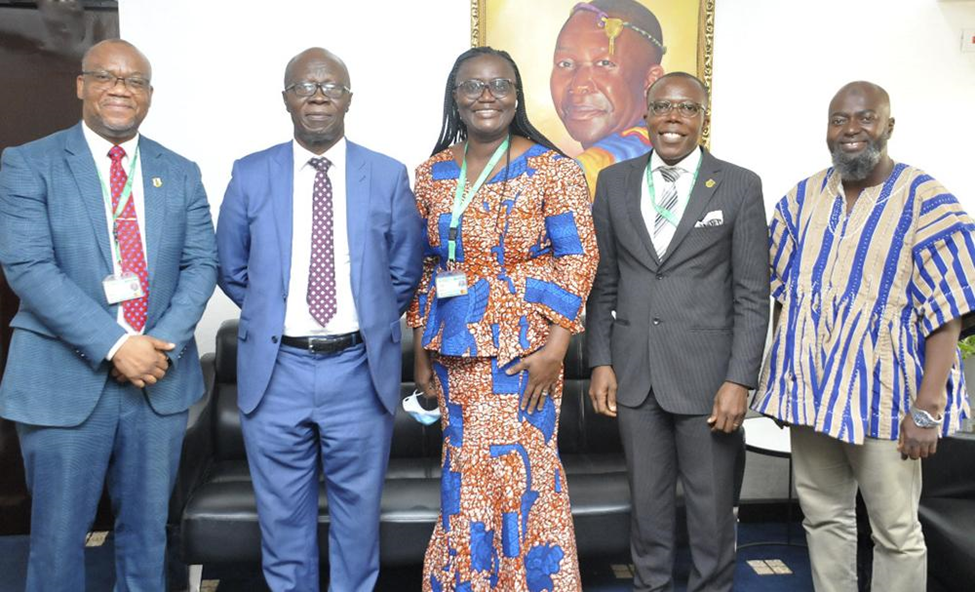
The Vice Chancellor of KNUST, Prof. (Mrs.) Rita Akosua Dickson (in the middle) with Pro Vice Chancellor of KNUST, Prof. Ellis Owusu-Dabo (2nd from right) with Dean of Faculty of Electrical and Computer Engineering, Prof. Abdu- Rahman Ahmed (right) with Provost of the College of Engineering, Prof. Mark Adom-Asamoah (2nd from left) and the Principal Investigator and Scientific Director for RAIL, Prof. Jerry John Kponyo (left)

The College of Engineering, Kwame Nkrumah University of Science and Technology (KNUST) , the KNUST Engineering Education Project (KEEP), one of the nine Centres of Excellence  in Ghana has been awarded a grant to fund the establishment of a Responsible Artificial Intelligence Lab (RAIL) under the Artificial Intelligence for Development (AI4D) Africa Multidisciplinary Labs project initiated by International Development Research Centre (IDRC). RAIL has been envisioned as a Maker Space that would develop talents in Data Science and Machine Learning to help bridge the widening skills gap needed to champion the Digital Economic Transformation agenda of Ghana and the Sub-Region.

The activities in this Innovation Centre are aligned with the KNUST Engineering Education Project (KEEP) digital development technologies thematic area, specifically set to promote the digitalization of products, processes, and services via innovative toolbox development for Renewable Energies, Health, Agriculture, Climate Change and close engagements with local Small and Medium-Scale Enterprises (SMEs) and governmental bodies.

The CAD $1 Million Lab would be networked centrally and  decentralized to allow intelligent, flexible, and future-oriented collaboration across multiple sites using common IT equipment. The Faculty of Electrical and Computer Engineering would host this centrally networked lab infrastructure, which would provide computing, research, training, and expertise transfer to Universitée Alioune Diop de Bambey (Senegal), The University of Cape Verde, and The Gambia Technical Training Institute.

Prof. Jerry John Kponyo, the Principal Investigator (PI) and the Scientific Director of the Lab and the Deputy Project Lead for KEEP, in his initial reaction to the news of the grant award is grateful to IDRC and GIZ for jointly funding the setup of the Lab. He stressed the “need to adopt collaboration and a multidisciplinary approach to solving the peculiar challenges in the sub-region.” He is of the view that Artificial Intelligence holds the key to leveraging technologies to unlock the potential of highly talented young innovators in the sub-region. The PI also sees the funding as a mustard seed through which multiple initiatives could be developed to realize the African dream.

The Dean of Faculty of Electrical and Computer Engineering, Prof. Abdul-Rahman Ahmed, was also happy that the team he constituted to respond to the funding call with the help of the Office of Grants and Research (OGR) has worked diligently to make the RAIL project a reality. He further indicated that the RAIL project reinforces the faculty’s vision of developing strategic collaboration between academia, SMEs, and government actors to enable transfer-oriented cooperation between applied research, skills development, regional industry, entrepreneurs, and service providers, to empower more players to engage in technology-based innovations in the sub-region.

The Provost of the College of Engineering, Prof. Mark Adom-Asamoah was excited about the prospects of the Lab and encouraged all key actors in the project implementation to work together to realize the ultimate objectives of the Lab Vice-Chancellor of KNUST, Prof. (Mrs.) Rita Akosua Dickson, in congratulating the team indicated that the grant couldn’t have come at a better time. She urged the team to keep working hard to win more grants.

The project team is made up of Prof. Jerry John Kponyo (PI), Dr. Isaac Acquah, Dr. James Dzisi Gadze (HoD of Telecommunications Engineering), Dr. Eric Tutu Tchao, Mr. Andrew Selasi Agbemenu, Mrs. Christiana Selorm Aggor, Dr. Mrs. Eunice Akyereko, Dr. Henry Nunoo-Mensah, Mr. Benjamin Kommey, Prof. Francis Kemeausuor, and Dr. Christopher Appiah.

KEEP will provide a Laboratory space for setting up the Responsible AI Lab. The Lab will be supported for three years to set up and run short courses in disruptive technologies and a master’s programme in Data Science and Machine Learning. RAIL would also provide research support to PhDs, advisory and extension services, policy formulation, and agenda-setting around Responsible Artificial Intelligence use.

Click here for more information on KEEP

Find out more about KNUST

ACE Impact Partners with IBM to Offer STEM Training to Students

ACE Impact Partners with IBM to Offer STEM Training to Students

Enhancing STEM education in Africa has been one of the cores focuses of the ACE Impact project and it’s participating centres. The ACE Impact project has partnered with International Business Machines Corp (IBM) to build the capacity of centers through training workshops for ACE faculty and students on Artificial Intelligence, and Cloud Application  and providing student internship opportunities at IBM Research Labs in Kenya and South Africa.

This collaboration aims to ensure that students are gaining practical research experience and developing key advanced digital skills, which in turn will improve their employability, including their participation in the workforce as entrepreneurs. Since its inception in 2020, 110 faculty and students have benefited from the training workshops.

Concerning the internships, an initial set of 11 students will be selected for the first year. Students will carry out research in areas such as developing analytics and AI tools and methods; and creating cloud and blockchain solutions for health, climate risk, food supply chain and other domains. The selection process is underway and interviews with shortlisted applicants will take place in March 2022.

Highlighting the usefulness and benefits derived from the training, Mr. Patrick Hussaini, a student from the Africa Centre of Excellence for Mycotoxin and Food Safety (ACEMFS), Nigeria noted that the training on Artificial Intelligence that he participated in improved his knowledge and deepened his interest in that area. “The training has heightened my love for Artificial Intelligence such that I have picked up a master’s degree in Artificial Intelligence at the University of Johannesburg, to enhance my understanding of the field. Additionally, it expanded my knowledge as I am now able to create a Chatbot using the IBM platform”, said Mr. Hussaini.

Speaking on the relevance of the training to industry needs, he added that the skills acquired is crucial to the African market, as it can help improve organizational processes and strengthen systems. The IBM Watson (application/software) for instance, simplifies the use of Machine Learning, Natural Language processing, creation of Chatbot and Computer Vision. Thereby automating complex processes and optimizing employee’s time.

WAGMC Launches Maiden MSc Genetic Counselling Programme in Sub-Saharan Africa

WAGMC Launches Maiden MSc Genetic Counselling Programme in Sub-Saharan Africa

The West African Genetic Medicine Centre (WAGMC), University of Ghana welcomed the first cohort of students into its new flagship Master of Science (MSc) degree programme in January 2022. The postgraduate genetic counselling programme is the first of its kind in Ghana and in Sub-Saharan Africa, and the third of such programme on the continent. The programme is accredited by the Ghana Tertiary Education Commission (GTEC). Students who graduate from the programme will be required to complete a mandatory one-year internship under the supervision of the Ghana Psychology Council to become licensed to practice as Genetic Counsellors.


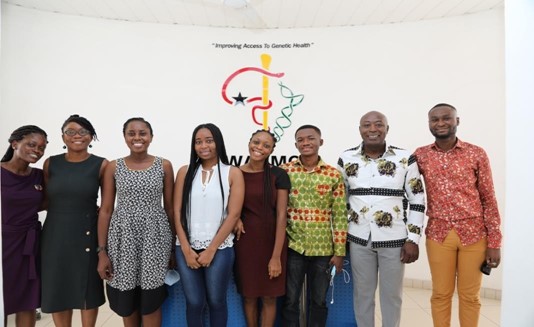
Professor Solomon Ofori-Acquah (WAGMC Centre Leader) with Dr. Judith Osae-Larbi and Dr. Dorcas Annan(WAGMC Research Fellows) with some WAGMC Genetic Counselling Students.

The MSc Genetic Counselling programme is a professional health degree programme. It is designed to combine critical skills-training and rigorous independent research, to prepare students for the dynamic field of genetic counselling. It explores both the theoretical and practical aspects of genetic counselling while developing skills in research, teaching, public education, critical thinking, and health leadership. The programme will equip students with current knowledge in human genomics, genetics, genetic analysis and bioinformatics, as well as the relevant communication, counselling, and psychological skills they need to succeed and adapt to advances in genomic medicine. WAGMC worked with several collaborators and partner institutions in South Africa, USA and UK to develop the maiden genetics educational programme. These partnerships offer students exciting internship opportunities across the genomic medicine spectrum all over the world.


Pre-Call for Applications for Additional Financing under the African higher Education Centers of Excellence (ACE II AF)

In collaboration with the Governments of Ghana, Malawi, and Mozambique, the Inter-University Council for East Africa (IUCEA) and Regional Universities Forum for Capacity Building in Agriculture (RUFORUM) are jointly launching a Call for Proposals under the Eastern and Southern Africa Higher Education Centers of Excellence Project (ACE II). This initiative is proposed to be financed through Additional Financing to ACE II to be reviewed by the World Bank Group (WBG) Board in May 2022 (tentative). The main objective of the proposed project is to strengthen linkages between universities in participating countries and regional agricultural sector needs through strengthening (i) agri-food related education and training enhanced with trans-disciplinary approaches and applied research; (ii) university linkages to the regional agricultural sector – its priorities, needs and stakeholders; and (iii) university partnership with private and public entities related to agri-food both within and outside the region.

The ACE II AF is a result of broad consultations with the governments of Ghana, Malawi, Mozambique; and IUCEA and RUFORUM. Six key regional gap areas have been identified and prioritized for this Project: (i) agribusiness and entrepreneurship; (ii) agri-food systems and nutrition; (iii) agricultural policy analysis; (iv) agricultural risk management and climate change; (v) rural innovations and agricultural extension; and (vi) statistical analysis, forecast and data management. The Project will support the governments of the three participating countries to collectively address challenges in the aforementioned key gap areas by (a) selecting African Centers of Excellence (ACE) through a competitive and transparent process from existing higher education institutions which have certain capacity for research and training in agriculture; (b) strengthening selected universities through professionalizing leadership and management, streamlining administration and capacitating faculty to produce excellent training and applied research which can meet the needs of highly-skilled personnel and knowledge transfer for the agri-food sector; (c) building networks among these institutions to promote regional collaboration, foster partnerships with other institutions including industries for  training and applied research to produce innovative solutions for real development impact; and (d) developing a culture of results-orientation and accountability in institutional management through a performance-based financing mechanism. As a regional project, ACE II AF will be governed by its Regional Steering Committee (RSC) and facilitated by its Regional Facilitation Unit (RFU).


The submitted proposals will be evaluated by an Independent Evaluation Committee and the RSC will make the final selection decision. Interested institutions should meet all the following eligibility criteria: (i) be from the participating countries; (ii) offer PhD program(s) or demonstrate readiness to offer a PhD program; and (iii) have programs in at least two disciplinary areas related to one of the regional gap areas.

Proposals are expected to encompass the following elements: Enhancing capacity to deliver regional high quality training in agriculture to address challenge(s) in at least two key gap areas; a) enhancing capacity in addressing emerging challenges such as COVID-19 b) enhancing capacity to deliver applied research to address the challenge(s); c) the strength of the partnership (national and international) and capacity to build networks and offer capacity development for TVET and other Higher Education Institutions; d) building and strengthening national, regional and inter-regional academic collaboration to raise the quality of higher agriculture education and training; e) partnerships with relevant agro-based institutions that deal with processing,  storage and distribution of agricultural produce f) building and using industry/sector partnerships to enhance the impact of the project on development, and increase the relevance of these centers of education and research; g) enhancing governance and management of the ACE and the participating universities to improve monitoring and evaluation; and h) demonstrated evidence of the applicant university engagement as well as its willingness to take a leadership role in agriculture transformation in the target country.

Higher education institutions from the Republics of Malawi, Mozambique and Ghana interested to participate in the program are requested to submit their Expression of Interest through https://bit.ly/ACEIIExpression not later than 31st January 2022. The development of final proposals will be undertaken with support from RUFORUM and IUCEA.  The governments in collaboration with the World Bank, may offer additional technical support to institutions to develop strong proposals.

The submitted proposals will be competitively evaluated by an Independent Evaluation Committee. However, the Regional Steering Committee will make the final selection decision for successful proposals.

For further information contact the Dr. Jonathan Stephen Mbwambo, email: jmbwambo@iucea.org or Prof. Majaliwa Mwanjalolo, email: m.majaliwa@ruforum.org

Vacancy for Industry Liaison Officer

REQUEST FOR EXPRESSIONS OF INTEREST

INDUSTRY LIAISON OFFICER

(CONSULTING SERVICES – INDIVIDUAL CONSULTANT SELECTION)


Africa Higher Education Centers of Excellence for Development Impact (ACE Impact) (P164546)


Consultancy Services for the engagement of Industry Liaison Officer at the Regional Facilitation Unit of the Association of African Universities.


The Association of African Universities has received financing from the World Bank toward the cost of the First Africa Higher Education Centers of Excellence for Development Impact Projects (ACE Impact 1) and intends to apply part of the proceeds for consulting services for the recruitment of an Industry Liaison Officer.


The detailed Terms of Reference (TOR) for the assignment can be found at the following link: ToR_ScopeofServices_IndustrialLiasionOffice or can be obtained at the email address given below.


The Association of African Universities now invites eligible individuals (“Consultants”) to indicate their interest in providing the above Services.


Competency and Expertise

Interested Consultants should provide information demonstrating that they have the required qualifications and relevant experience to perform the Services. The shortlisting criteria are available in the Terms of Reference under Qualifications and Experience.


The attention of interested Consultants is drawn to Section III, paragraphs, 3.14, 3.16, and 3.17 of the World Bank’s “Procurement Regulations for IPF Borrowers” July 2016 and revised in November 2017, and August 2018 (“Procurement Regulations”), setting forth the World Bank’s policy on conflict of interest available on this link http://pubdocs.worldbank.org/en/178331533065871195/Procurement-Regulations.pdf .


A consultant will be selected will be selected in accordance with the Individual Consultant Selection method set out in the World Bank’s “Procurement Regulations for IPF Borrowers” July 2016 and revised in November 2017, and August 2018 (“Procurement Regulations”). Further information can be obtained at the address below during office hours 0900 to 1700 hours.


Expression of Interest. Interested individual Consultants complete the online application at the Industry Liaison Officer Job at Association of African Universities in Accra, Ghana | africa.edujobs.com Expressions of interest must be received by close of day Friday 30th September 2022. Clarifications may be requested per email to smkandawire@aau.org.


Admission to ACETEL

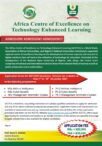
Africa Centre of Excellence on Technology Enhanced Leaming (ACETEL) is a World Bank, Association of African Universities, and Nigeria’s Nanonal Universities Commission supported centre of excellence focusing on the development of human capacity and research in solutions that will lead to the utilisation of technology for education. Domiciled at the headquarters of the National Open University of Nigeria, Jabi, Abuja, the Centre team comprises Of national and international scholars drawn from relevant fields Of science as well as and private sector stakeholders.

Application forms for 2021/2022 Academic Session are available at https://acetel.nou.edu.ng/ from 1st to 15th December 2021 in the following programmes:

  • MSc Artificial Intelligence
  • MSc Cyber Security
  • MSc Management Information System
  • Ph.D Artificial Intelligence
  • Ph.D Cyber Security
  • Ph.D Management Information

ACETEL is therefore, requesting interested and suitably qualified candidates to apply for admission into any of the above indicated postgraduate programmes. Application forms and requirements are available at www.acetel.nou.edu.ng. Interested candidates should follow the online application procedure laid down via the ACETEL Website https://acetel.nou.edu.ng/. While ACETEL offers equal opportunity for enrolment and studies to all, female members of the society are specially encouraged to apply. Scholarship is also available for eligible candidates.

APPLICATION FEE

  • MSc = N20,OOO
  • PhD = N30,OOO

Djibouti Participates in the Young African Scientific Talent Programme in Paris

Djibouti Participates in the Young African Scientific Talent Program in Paris

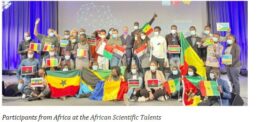
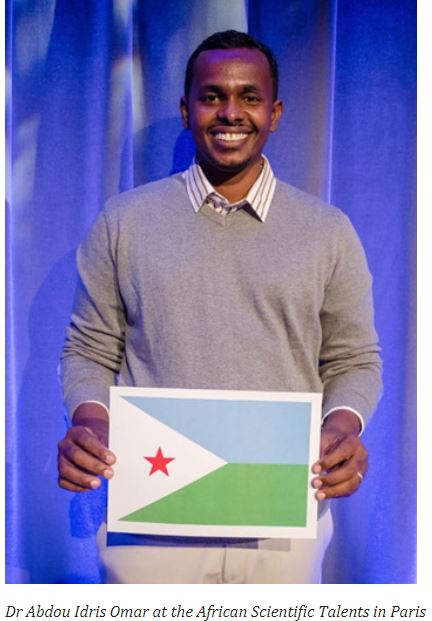
The Centre of Excellence for Transport and Logistics (CEALT) hosted by the University of Djibouti was represented in the African Scientific Talents at the City of Science and Industry in Paris from 17th  to 22nd October 2021.  Dr Abdou Idris Omar, a researcher and Bioclimate lecturer at the university represented the centre in a unique opportunity to interact with fellow researchers, and explore prospects for future collaborations.  

Dr Abdou Idris Omar image
Dr Abdou Idris Omar

Dr. Omar was among the 32 young African scientists – 15 women and 17men under the age of 35 from 20 African countries (Angola, Guinea, Nigeria, Togo, Benin, Kenya, Rwanda, Tunisia, Djibouti, Madagascar, Senegal, Egypt, Mali, Sudan, Ethiopia, Mauritania, Tanzania, Ghana, Mozambique and Chad) selected to participate in the event. 

The researchers had the opportunity to make presentations on the scientific projects they have undertaken, whilst also engage with the Universcience teams  and other key stakeholders in the science fraternity.  

Participants visited various tourist sites including the planetarium of the City of Science and Industry, and the mediation rooms of the Sparks of the Palace of Discovery, Muséum national d’histoire naturelle,the Musée de l’Homme, the Grande Galerie de l’Évolution and the Muséum’s gardens. 

The event was supported by the Ministry of Europe and Foreign Affairs, the network of French Embassies in Africa, the Next Einstein Forum Network and Campus France. 

ACE Impact team member’s contribution to Agronomy/Plant Breeding recognized as the project continues to promote professional development and quality improvement

ACE Impact team member’s contribution to Agronomy/Plant Breeding recognized as the project continues to promote professional development and quality improvement

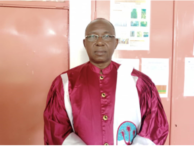
ACE Impact Centre’s continue to excel in their respective research fields, with the project team continuing to receive awards and/or recognition by local, regional, and international institutions among others. In this article, we feature Prof. Amoukou Adamou Ibrahim of the Regional Center of Excellence on Pastoral Production: Meat, Milk, Hides, and Skins (CERPP) who was recently promoted to the professorial rank.   

The ACE Impact communications team got in touch with Prof. Amoukou Ibrahim to learn more about his research interest areas and his career journey thus far. 

Having graduated from the Hassan II Agronomic and Veterinary Institute of Rabat (Morocco) and the Ecole Supérieure d’Agronomie of Rennes (France), Prof. Ibrahim obtained his degree in Agricultural Engineering in Plant Improvement and a Ph.D. in Science in Biology and Agronomy respectively. 

He is currently the coordinator of the academic programmes of the Regional Center of Excellence on Pastoral Production: Meat, Milk, Hides, and Skins (CERPP) of the Abdou Moumouni University.  


Research Interest Areas 

Prof. Amoukou’s areas of interest in research impact are focused on three crops – millet, sesame, and dietary cucurbits. In the field of genetics and plant breeding, his research has focused on the agro-morphological, biochemical, and genetic characterization of the local plant material of these species. The search for genes of interest for resistance to drought and phosphorus deficiency, genes of indehiscence of capsules using mutagenesis, before addressing the creation of improved varieties adapted to environmental conditions have all been investigated and researched by him during his career. 

In Agronomy, his focus is on the search for technical references on the one hand to produce sesame in the off-season (irrigated) and on the other hand, in the study of the role of sesame in the fight against Striga (Striga hermontica and Striga gesnoroids) which constitute serious scourges for the cultivation of millet and niebe respectively. 

The third area of his research focus concerns the fight against vulnerability and poverty in rural 

areas: Crossing of knowledge, promotion of peasant initiatives and innovations, inter-village, promotion of gender, peasant participation, among others. 


Key Research Result/Impact:  

“The results of my research have allowed the introduction of sesame and cucurbit cultivation into millet-based cropping systems as an alternative to agricultural intensification; the processing of sesame products to increase their added value and their diffusion to increase the incomes of a significant number of households” said Prof. Amoukou Adamou Ibrahim.


ACE Impact project’s contribution to Prof. Ibrahim’s Career 

“My active participation in the formulation team of the project of “Regional Center of Excellence for Pastoral Productions: Meat, Milk Leather and Skins”, called CERPP which obtained funding from the World Bank as an ACE Impact Centre, was positively appreciated by CAMES as an important effort to boost research in the community” he said.   

Moving Ahead 

Prof. Amoukou Adamou Ibrahim indicates that his involvement in CERPP is an opportunity for him to continue to train through research in two forms :on the one hand through the supervision of national and regional students (bachelor’s, master’s and doctoral degrees), and on the other hand through the work in multidisciplinary research team supported by various projects.  Together with other team members of the CERPP, we will contribute to strengthen the quality and relevance of higher education and research in the field of pastoral production and its valorization in the Sahel countries.  

Specifically, our intervention areas are aimed at  (i) providing the Sahelian states with human resources and techniques and technologies to improve livestock productivity and revitalize the meat, milk, hides and skins industrial sector, (ii) strengthening research and technology transfer for the development of livestock and the pastoral production industry,  and (iii) making the Faculty of Agronomy of the Abdou Moumouni University (UAM) a regional and international pole of attraction in terms of vocational training in the production and valorization of pastoral products. 

Additional Background Information 

A Nigerian by nationality, Prof. Ibrahim was the Head of the Department of Basic Sciences, and then Dean of the Faculty of Agronomy of the Abdou Moumouni University of Niamey-Niger from 2002 to 2006.  

Since 1993, he was a lecturer and researcher at the Department of Plant Production of the Faculty of Agronomy of the Abdou Moumouni University of Niger where he spent his entire academic career, progressing from Assistant to Full Professor in the specialty of Agronomy -Plant Breeding in September 2021. 

He teaches the following modules in the University: Genetics and plant breeding, Agronomic experimentation, Seed production, Cultural diagnosis, Research methodology, Organic agriculture, and Conservation of agrobiodiversity at the Faculty of Agronomy. Prof. Amoukou Ibrahim has supervised many engineering, master’s, and doctoral students. 

The 6th ACE Impact Regional Workshop Ends Successfully

The 6th ACE Impact Regional Workshop Ends Successfully

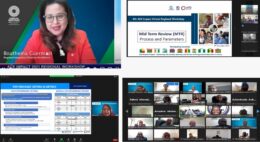
The 6th biannual Africa Higher Education Centres of Excellence for Development Impact (ACE Impact) Regional Workshop was held virtually from November 8- 10, 2021, bringing together over 300 participants from the fifty-three (53) Centres of Excellence, government representatives from participating countries, Vice-Chancellors, representatives from the higher education sector, the private sector, policy think tanks, and partners such as the World Bank, the French Development Agency, and the Association of African Universities, as well as other key stakeholders. 

Prior to the workshop, a ministerial level steering committee was held to assess the project at mid-term and discuss sustaining the project beyond the World Bank funding. 

The workshop sought to strengthen the capacity of the African Higher Education Centres of Excellence (ACE Impact centres) by highlighting the key achievements of the various centres and also addressing the challenges faced as the project approaches its mid-term. The subject matter experts among other key speakers discussed measures to enhance project implementation. Some of the topics covered include: Addressing the Bottlenecks, Effective Procurement Management, Disbursement Linked Indicators Assessment, Funds Disbursement and Funds Utilization, Communications within the ACE Impact Project, ACE Impact Verification, Disbursement Linked Indicator (DLI) 2 which highlights Development Impact, and Disbursement Linked Results 5.3 which also focuses on Entrepreneurship and Innovation.

Day One Coverage- AAU TV Live Coverage:  2021 ACE Impact Regional Workshop  

 Closing Ceremony – https://youtu.be/Qme3IFf81Ak   

ACE in Focus- Profiling CEFTER

ACE in Focus- Profiling CEFTER

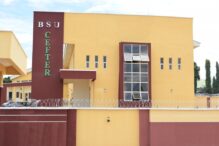
The Centre for Food Technology and Research (CEFTER), hosted by the Benue State University, Nigeria is one of the seven (7) centres of excellence dedicated to addressing agriculture related challenges within the region. CEFTER aims to address the challenge of post-harvest losses in the West Africa sub region through quality higher education and innovative and applied research. 

The centre seeks to develop a critical mass of well-trained future African agricultural scientists in the control of post-harvest losses, empower African researchers to identify technologies through applied research for reducing pot-harvest losses and engage farmers, communities, and industries in training and dissemination of technologies in post-harvest food losses across the sub-region. 

Programmes offered include Post-harvest Management and Physiology of Crops; Food Chemistry; Analytical Chemistry; Organic/ Natural Products Chemistry; Food Science and Technology; Food Processing Technology; Rural Sociology and Agricultural Extension; Radiation and Medical Physics. Three programmes are internationally accredited by the High Council for Evaluation of Research and Higher Education (HCERES).  

CEFTER is well positioned to offer quality postgraduate education with its state-of-the-art classrooms and laboratories, ultramodern library and fully furnished hostels.  The centre also has a food processing factory facilitating the Government of Nigeria’s School Feeding Program which caters for 1.8 million pupils monthly. 

For more information, visit https://www.cefterbsu.edu.ng/ 

Contact: smkandawire@aau.org | Association of African Universities | P. O. Box AN 5744,
Accra-North, Ghana | Tel +233-547-728975 All Rights Reserved © 2022