 ACE Comms Team
Ghana joined the rest of Africa in commemorating the 10th anniversary of the Africa Higher Education Centres of Excellence (ACE) Program) with a powerful showcase of national achievements, innovation, and leadership in higher education.
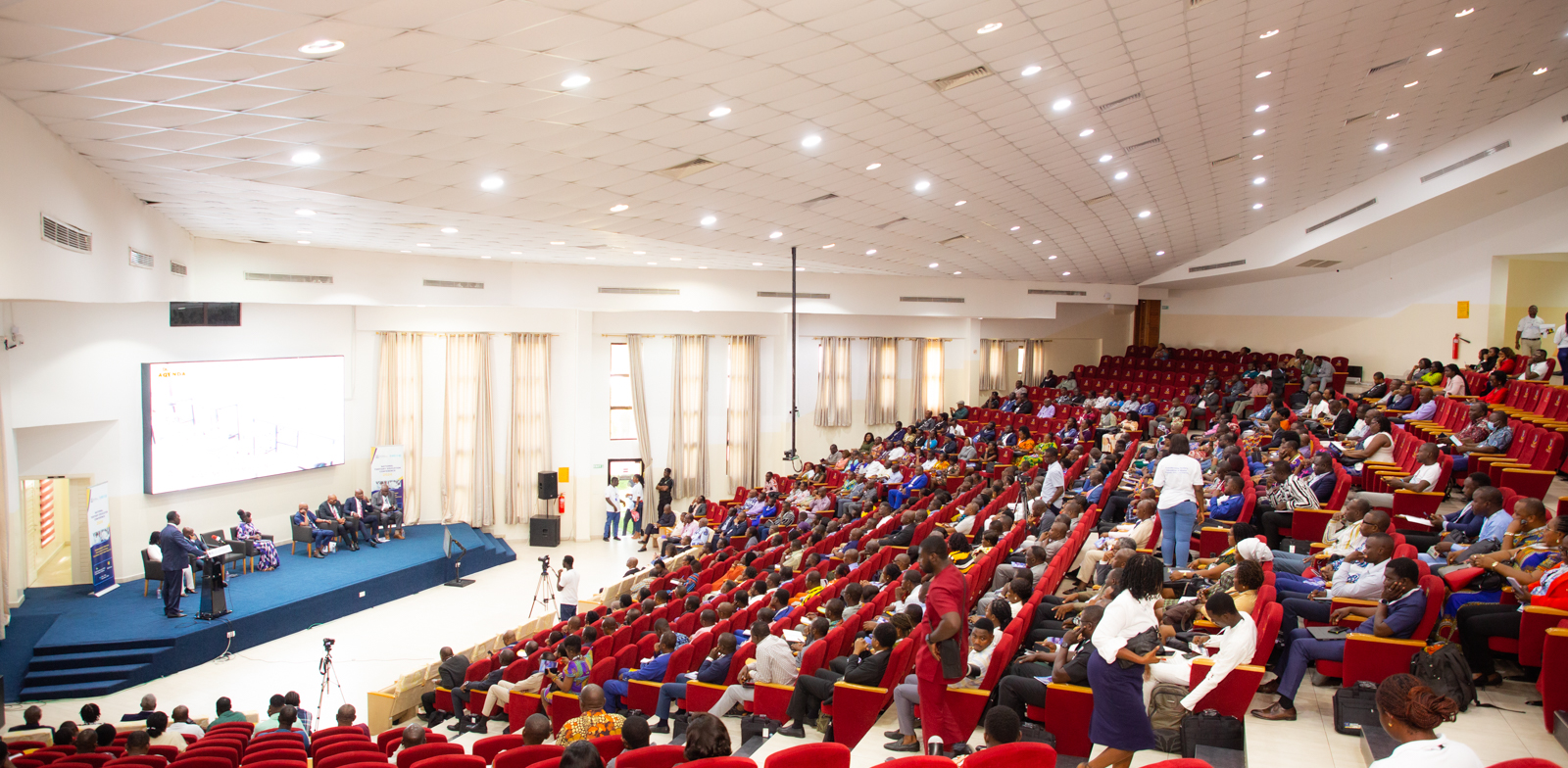
Hosted by the Ghana Tertiary Education Commission (GTEC) the National Facilitation Unit for the ACE Program the celebration formed part of the maiden National Tertiary Education Conference, held from November 5–7, 2024, at the Cedi Conference Centre, University of Ghana.
Held under the theme “Transforming Tertiary Education in Ghana: Dialogue, Policy and Practice,” the event convened an impressive cross-section of higher education leaders, policymakers, development partners, and students. Distinguished guests included Prof. Yaw Osei Adutwum, Minister of Education; Prof. Ahmed Jinapor Abdulai, Director General of GTEC; Dr. Scherezad Latif, Education Practice Manager for West and Central Africa at the World Bank; Dr. Sylvia Mkandawire, Senior Program Manager for the ACE Impact Project at the Association of African Universities (AAU); and Prof. Nana Aba Appiah Amfo, Vice-Chancellor of the University of Ghana.
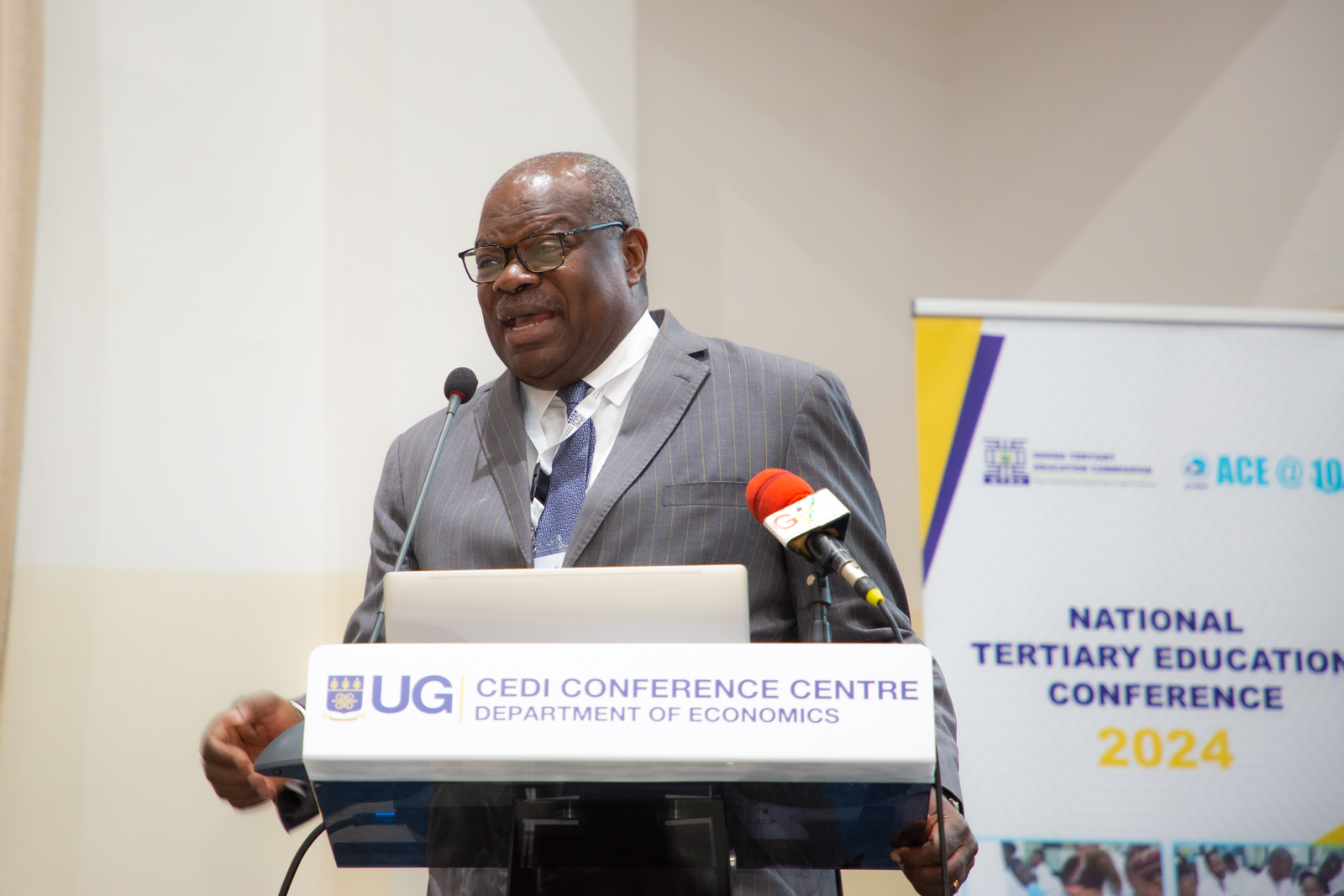
Delivering the keynote address, former University of Ghana Vice-Chancellor Prof. Ernest Aryeetey praised the ACE Program for its transformative role in reshaping Ghana’s higher education and research landscape. He highlighted the program’s far-reaching contributions from modern laboratories and strengthened postgraduate training to gender inclusion, innovation, and stronger industry partnerships describing it as “a unique opportunity that has elevated governments’ commitment to research and development.”
Since its inception, the ACE Program has empowered Ghanaian universities to deliver world-class postgraduate education, pioneering research, and home-grown solutions in agriculture, health, energy, engineering, environment, and technology. Collectively, Ghana’s nine centres of excellence have positioned the country as a regional hub for innovation and capacity building.
Each of Ghana’s ACE centres has made distinctive contributions to national and continental development:
-
- At the Africa Centre of Excellence in Coastal Resilience (ACECoR), University of Cape Coast, over 140 postgraduate students have been trained in accredited international programs, building expertise in coastal management and strengthening Africa’s blue economy.
- The KNUST Engineering Education Project (KEEP) has equipped innovators with skills in renewable energy and digital technologies, supported by cutting-edge laboratories and a GHS 6 million endowment fund to sustain its mission of engineering solutions for Africa.
- The Regional Centre for Energy and Environmental Sustainability (RCEES) at the University of Energy and Natural Resources (UENR) has mobilized nearly US$4 million in additional research grants, expanded renewable energy studies, and launched entrepreneurship hubs promoting clean innovation.
- At KNUST, the Regional Water and Environmental Sanitation Centre (RWESCK) has trained over 300 postgraduate students and 600 professionals, pioneering AI-driven water management tools and drone technology for environmental monitoring.
- The Regional Transport Research and Education Centre (TRECK), also at KNUST, is advancing Ghana’s transport transformation through research in intelligent traffic systems and sustainable logistics—informing national policy and infrastructure design.
- At the University of Ghana, the West Africa Centre for Crop Improvement (WACCI) has trained over 100 PhDs from 15 African countries, developed 279 improved crop varieties, and supported more than 6,000 farmers through its Kofi Annan Enterprise Hub for Agricultural Innovation, reinforcing food and nutrition security across the continent.
- The West Africa Centre for Water, Irrigation and Sustainable Agriculture (WACWISA) at the University for Development Studies has trained 144 postgraduate students, delivered short courses to over 500 professionals, and introduced farmer-focused technologies such as weather applications and improved Shea roasters.
- The West African Genetic Medicine Centre (WAGMC) at the University of Ghana pioneered Sub-Saharan Africa’s first MSc in Genetic Counselling and established the world’s largest sickle cell biobank, housing over 30,000 samples to advance genetic medicine and public health research.
- Finally, the West African Centre for Cell Biology of Infectious Pathogens (WACCBIP) has produced 37 PhDs, over 100 master’s graduates, and 400 research fellows across 18 African countries. Its leadership in COVID-19 testing and genomic sequencing, screening over 50,000 samples across Ghana, Nigeria, and Burkina Faso, has solidified its role as a continental research powerhouse.
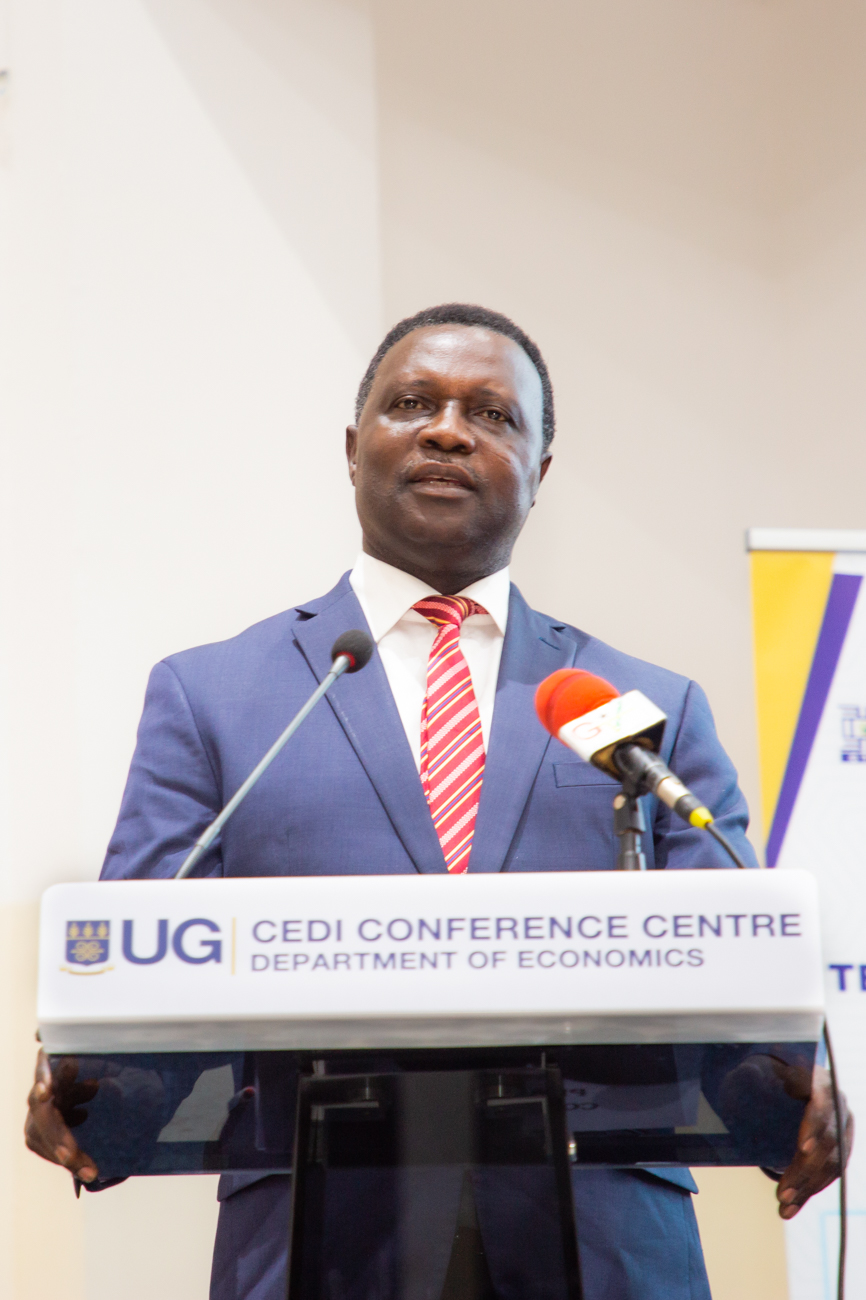
In his address, Minister of Education Prof. Yaw Osei Adutwum urged Ghana’s tertiary institutions to align their curricula with the ongoing transformation at the secondary level. He called for a decisive shift toward skills-based, practical learning to better prepare students for the demands of the 21st-century economy.
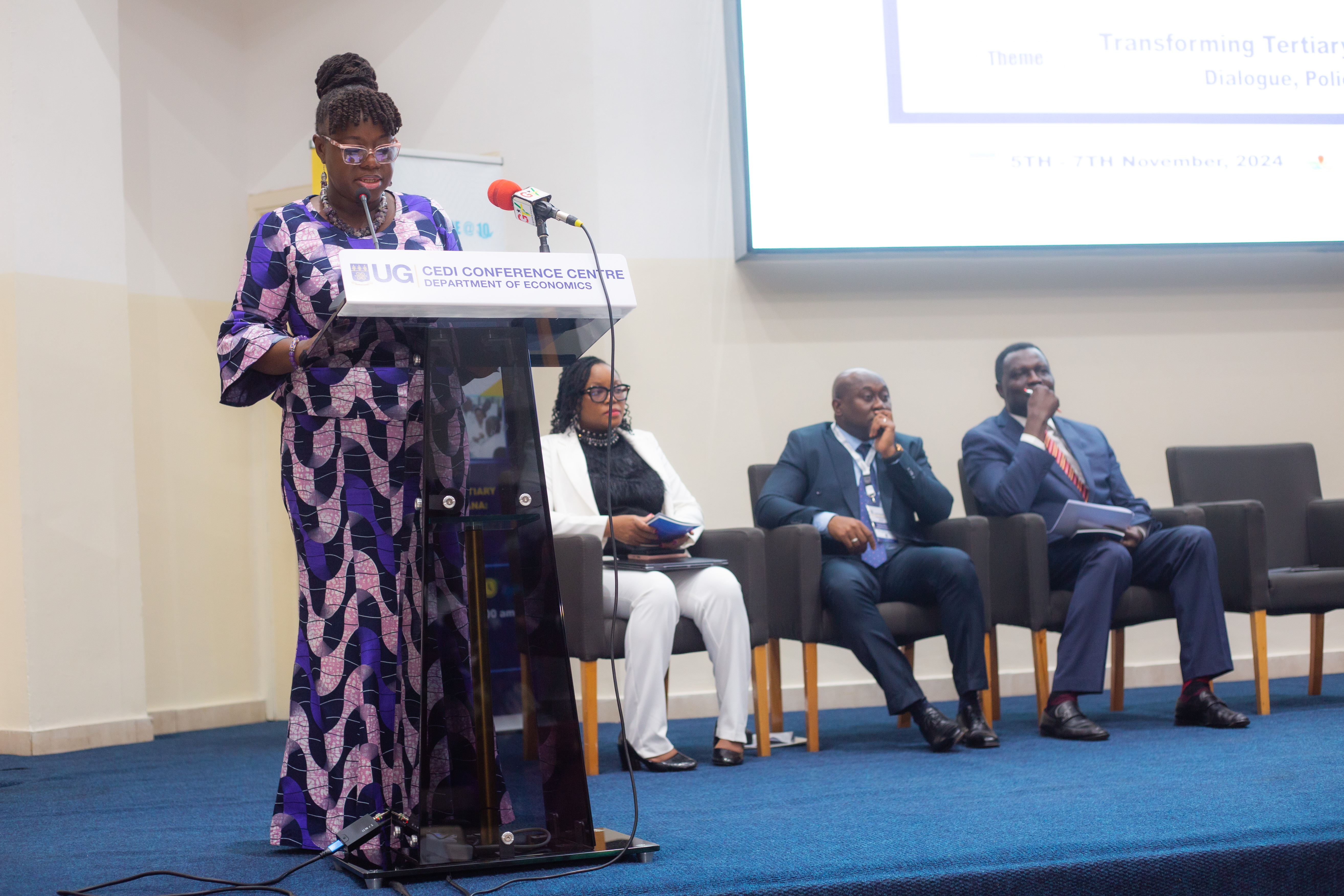
Prof. Nana Aba Appiah Amfo, Vice-Chancellor of the University of Ghana, echoed the need for deeper collaboration between universities and industry, noting:
“The connection between academia and industry, if properly managed, will help bridge the skills gap and enhance employability.”
The Ghana celebration of ACE@10 reaffirmed the nation’s leadership in higher education and research. The nine centres of excellence have demonstrated that strategic investment in higher education yields transformative results—from global scientific breakthroughs and industry partnerships to grassroots innovations that improve livelihoods and promote sustainability.
As Ghana looks ahead, the success of its ACE centres stands as proof that African universities can drive innovation, competitiveness, and inclusive development when empowered with vision, collaboration, and support.
Engines of Transformation: Celebrating the Centres that are Changing Africa
As the ACE Program marked a decade of transformative impact, centres across the participating host institutions were invited to celebrate their national achievements and chart bold paths for the future. These country-level celebrations became vibrant platforms for reflection, collaboration, and renewed commitment bringing together governments, academia, industry, and development partners to strengthen ties and scale innovation.
Six centres rose to the occasion, turning their milestones into moments of inspiration. Their celebrations highlighted a powerful evolution from project-driven initiatives to fully institutionalized entities within their host universities ensuring long-term sustainability and deeper regional influence. Through the inauguration of new research facilities, the launch of cutting-edge innovation programs, and reflections on their achievements in training, research, and industry engagement, these centres reaffirmed their role as engines of excellence, collaboration, and enduring impact across Africa.