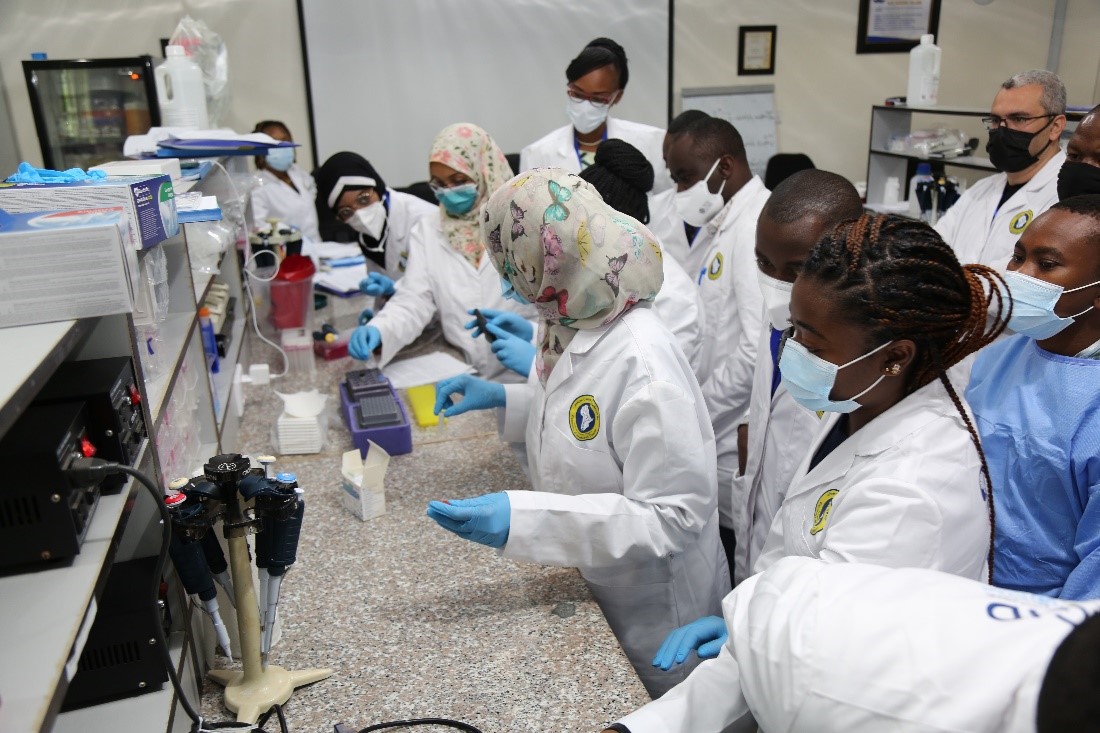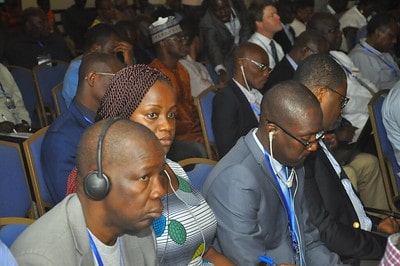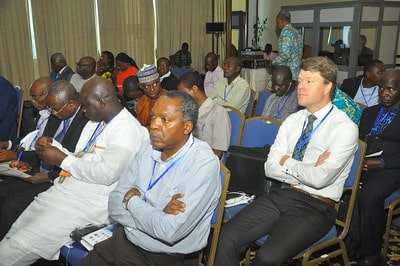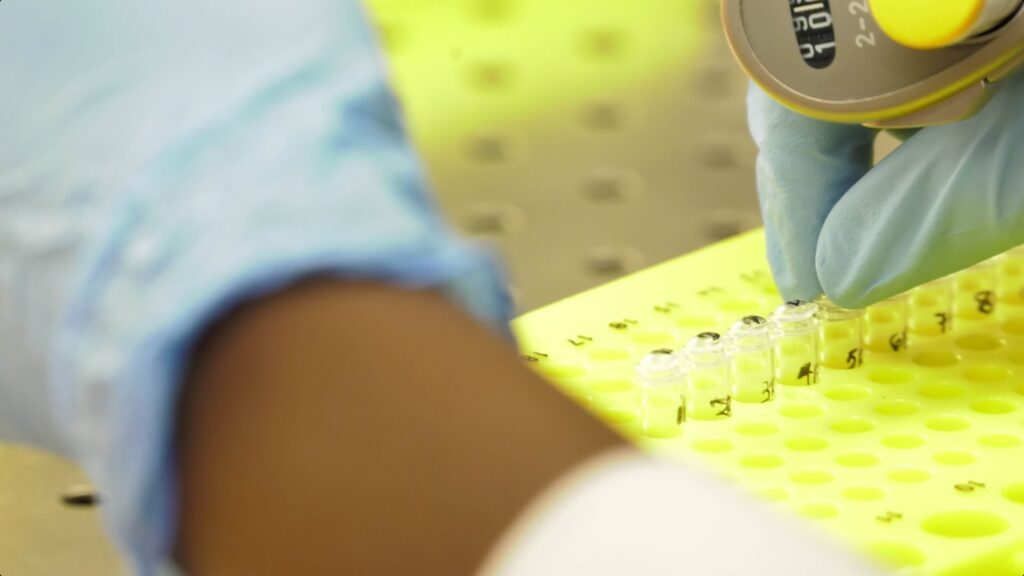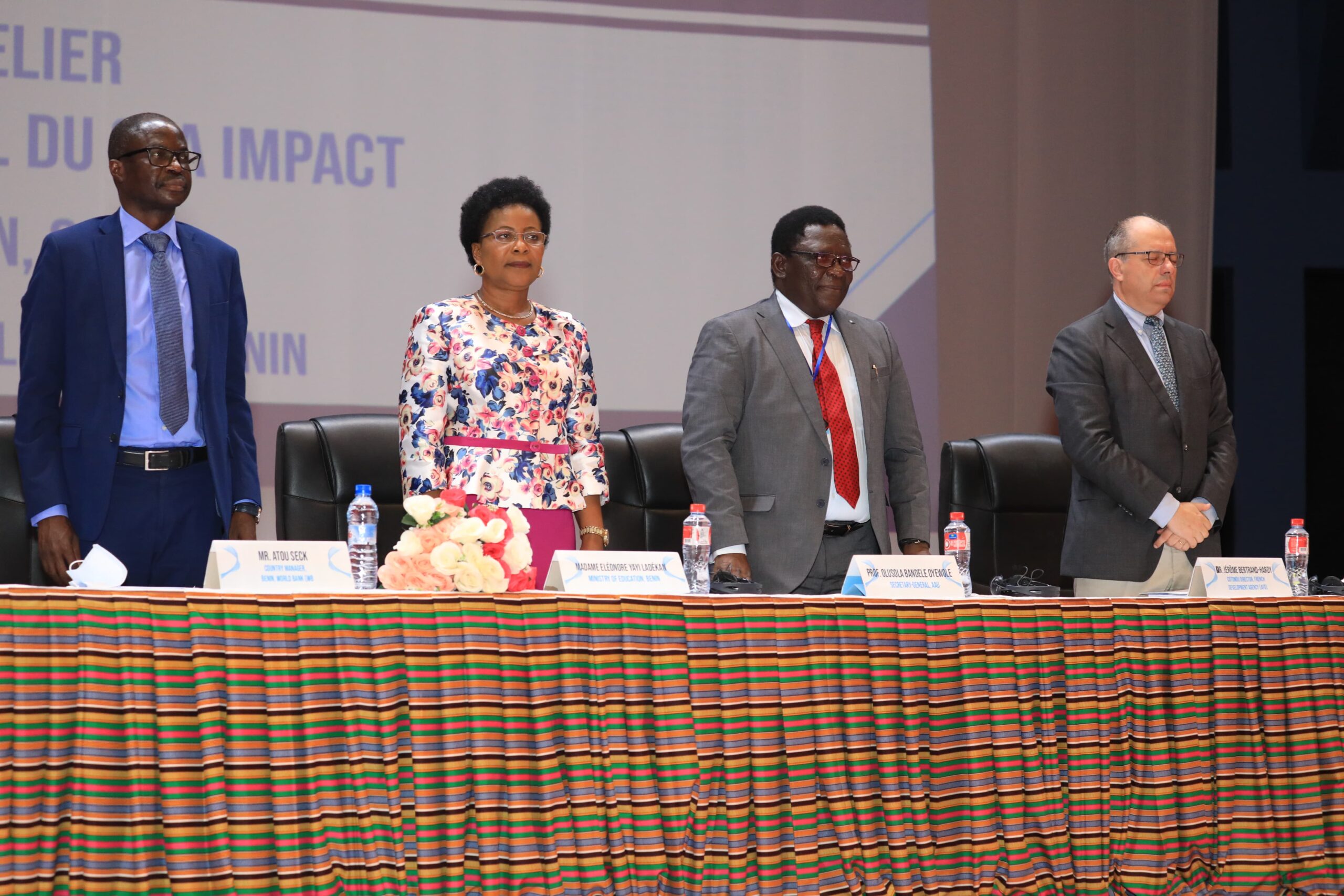
High Level 7th Africa Higher Education Centres of Excellence Regional Workshop kicks off at Palais des Congrès, Cotonou, Benin – Minister of Higher Education formally opens the workshop

A four-day higher education regional workshop, which brought together approximately 300 higher education stakeholders from Africa and beyond, was held in Cotonou, Benin. The workshop was hosted by the Africa Higher Education Centers of Excellence for Development Impact (ACE Impact) Project from 14 -17, June 2022.

In attendance were team members from the 53 centres of excellence from the 11 participating African Countries, Project teams from the World Bank, French Development Agency, and the Association of African Universities, Subject Matter Experts, Vice Chancellors, Students, Industry partners and other various higher education stakeholders.
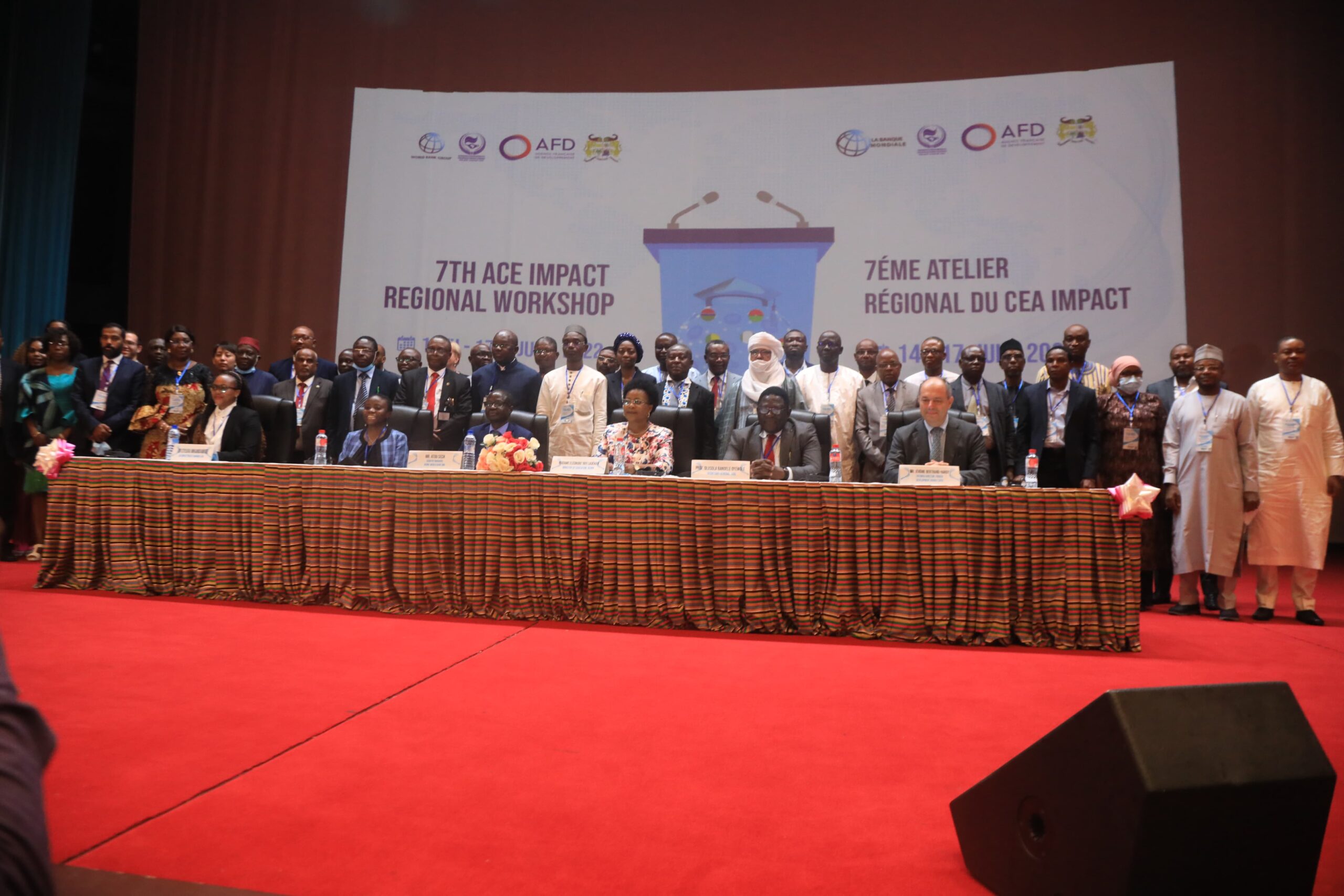
The workshop created the dynamic platform for multi-stakeholder dialogue and an opportunity for sharing global best practices, provision of implementation support and the discussion of practical mechanisms to ensure sustainability of the project beyond its stipulated lifespan. It also provided the chance for collaborative regional knowledge sharing on all the thematic subject areas of the project, as well as to assess the results from the project’s mid-term review process.

ACE Impact is a World Bank initiative in collaboration with governments of 11 participating African countries to support higher education institutions specializing in Science, Technology, Engineering and Mathematics (STEM), Environment, Agriculture, applied Social Sciences / Education and Health. It is widely recognised as a critical and important project which is improving the capacity of Africa’s higher education institutions.

The 7th ACE Impact workshop started on a high note with an opening ceremony which featured key remarks from the Secretary General of the Association of African Universities – Prof. Olusola Oyewole; the Cotonou Director of the French Development Agency, Mr. Jerome Bertrand-Hardy, and the World Bank Country Manager, Mr. Atou Seck.

Formally opening the workshop, the Minister of Education for Benin, Madame Eleonore Yayi Ladekan spoke highly about the importance of the ACE Impact project to Africa’s higher education system and recognised the efforts of the project team and all participating centres and countries.  She highlighted various reforms launched by the Republic of Benin aimed at impacting all stakeholders in the education pipeline – right from the learners/students to the national level and final beneficiaries.  She further underscored the quality of interventions and key activities under the project – including internships, training of students, and innovative research which she said are all important in facilitating knowledge generation and usage, as well as ensuring that excellence transcends the functions of Africa’s Higher Education institution.

The 7th ACE Impact workshop has a diverse agenda and focus areas to be discussed at plenary, breakout sessions and performance clinics. The event also featured a special poster presentation session which created the platform for students to present their innovative research to the African higher education stakeholders present at the workshop.  Prior to the Workshop, the project began hosting Country Round Table sessions, which presented the opportunity for country specific discussions related to the mid-term review process. Again, the Project Steering Committee (PSC) meeting was held on 13th June 2022, also in Cotonou, Benin.  The PSC is a high-level policy making committee comprised of representatives of African government from the 11 participating countries, the World Bank, French Development Agency and the Association of African Universities.

A press conference was also hosted just before the opening ceremony on June 14, creating the platform for the media to engage the key project team on critical issues in Africa’s Higher Education, for the information of the wider African populace.

Discussions for the remaining three days (June 15-17, 2022) focused on forging the way forward in relation to specific project priority areas including – Digital Transformation, Entrepreneurship and Innovation, Gender and Development Impact among others.


Written By: Mrs. Felicia Kuagbedzi, Senior Communications Officer, AAU

ACENTDFB Research Discovers Prevalence of Dengue in Northern Nigeria

Written By Murrjanatu Abba

Contrary to previous studies on the commonality of Dengue fever in some parts of Nigeria, a study by a Master’s degree student of the Africa Center of Excellence for Neglected Tropical Diseases and Forensic Biotechnology, (ACENTDFB) hosted by the Ahmadu Bello University, Zaria, Nigeria Daniel Thakuma Tizhe found the presence of Dengue infection, as well as Dengue and Malaria co-infections with an overall sero-prevalence of 19.4% in Adamawa State. The study was supervised by Professor Jacob Kwaga and Dr. Grace Kia revealing that only Dengue virus serotype 1 isolates were found to be in circulation.

Dengue is a mosquito-borne viral infection that occurs in tropical and subtropical areas of the world such as Africa and Asia. The virus is transmitted to humans through the bites of infected female mosquitoes. The infection causes flu-like illness, and occasionally develops into a potentially lethal complication called Severe Dengue. The global incidence of Dengue has grown dramatically in recent decades and about half of the world’s population is now at risk. There is no specific treatment for dengue/severe dengue, but early detection and access to proper medical care lowers fatality rates from more than 20% to less than 1%. Dengue prevention and control depends on effective vector control measures. The control and management of Dengue remains the primary priority of public healthcare institutions in  many endemic countries.

A population-based survey was conducted in healthcare facilities in Adamawa State, Nigeria to determine the occurrence of dengue fever based on ELISA serological test, and the serotypes of the virus in circulation, using the highly sensitive Real-Time PCR technique.

Prior to this study, dengue had not been reported in the study location, but this survey found dengue infection, as well as dengue and malaria co-infections, across the study locations with an overall sero-prevalence of 19.4%. Surprisingly only Dengue virus serotype 1 isolates were found to be in circulation.

Based on the study’s findings, it was recommended that public healthcare professionals should consider other causes of febrile illnesses hence the need to conduct laboratory diagnosis to determine the possible causes of the infection.

ACEGID (Nigeria) Trains 100+ Scientists from Over 30 African Countries in One Year

Written By Mr. Fikayo Oyewale

In the last year, the African Centre of Excellence for Genomics of Infectious Diseases (ACEGID) trained over 100 African scientists from more than 30 countries in next-generation sequencing of SARS-CoV-2 and other pathogens. This is part of the centre’s effort towards building genomics capacity across Africa. The workshops were held in-country, at ACEGID, Redeemer’s University, Ede, Nigeria, and at partner institutions in Cote D’Ivoire, Rwanda, Cameroon and Seychelles. The participants were staff of public health institutions drawn from countries such as Tunisia, Benin Republic, Togo, Liberia, Guinea, Djibouti, and other African countries. Participants receive hands-on sequencing and bioinformatics training facilitated by ACEGID’s pool of young doctoral and research fellows. These scientists demonstrated passion about sharing their expertise with others.


ACEGID was founded in 2014 with initial funding from the World Bank (over US$13 million including funds from the ACE Impact project), as one of the centres of excellence aimed at developing relevant human capacity to address Africa’s challenges through research and innovation. The centre continues to lead innovations in using genomics for surveillance, characterization and diagnosis of infectious diseases as well as for vaccine and drug development. The centre’s education and research missions is fused into a robust capacity building system targeted at young African scientists. ACEGID’s Director, Prof Christian Happi, discussed the rationale for the centre’s drive for capacity building on the continent and remarked saying: “We know that Africa has lots of pathogens that have pandemic potential. I think it is natural for Africa to be in the vanguard. Building capacity will enable Africa to be at the forefront of genomic surveillance, pandemic pre-emption and response” .

Scientists in public health institutions, who are responsible for their countries’ sequencing activities participated in the workshops. The participants expressed their thoughts about their experiences. “Frankly speaking, I don’t have enough words to express my gratitude for what you did for us. You took us from almost zero to a good level. Personally, I am very thankful and I wish to see you again,” said Jean Shimirwa, a participant in the training held at the Rwanda Biomedical Centre, Kigali, Rwanda.

Anissa Chouikha, Associate Professor at the Laboratory of Clinical Virology, Pasteur Institute of Tunis, said “This training is important to me because I am a virologist. It will help me monitor new variants and strains that are circulating in my country.” In recognition of the training and research efforts, ACEGID was recently awarded the Al-Sumait Prize for African Development for its continental capacity building effort, among others.

The ACE Impact Project to hold its 7th Regional Workshop Physically

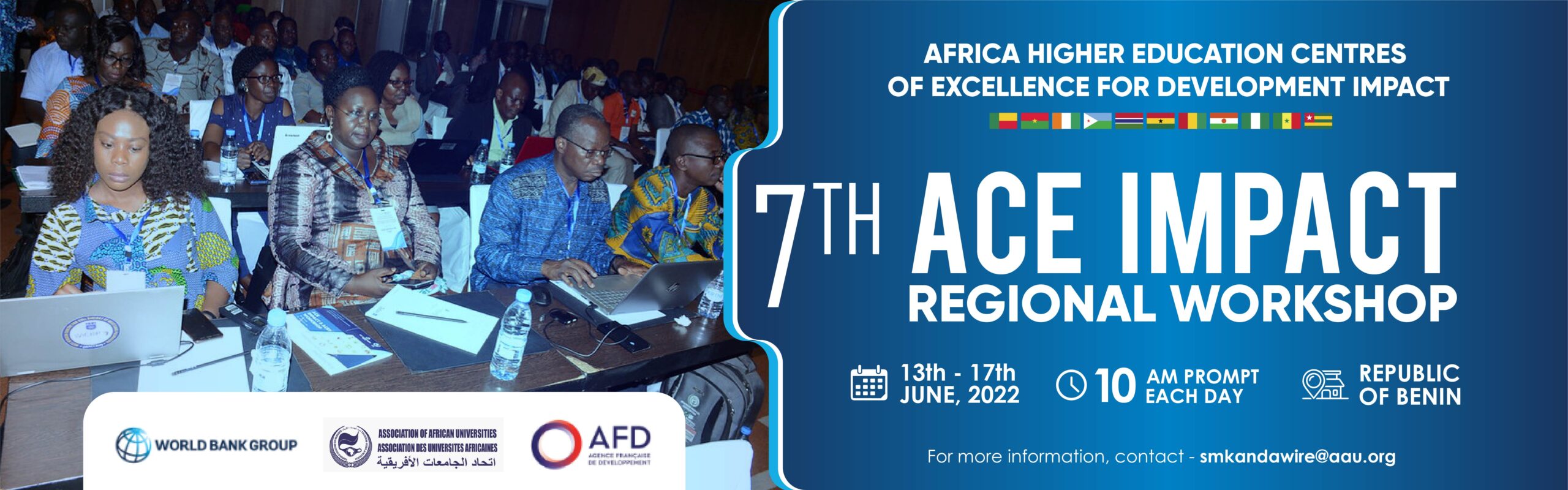
The Africa Higher Education Centres of Excellence for Development Impact (ACE Impact) will have its 7th biannual Regional Workshop in Benin from June 13th to 17th, 2022.

The regional workshop is expected to bring together close to 500 participants, including the fifty-three (53) Centres of Excellence and key stakeholders, government representatives from participating countries, Vice Chancellors, representatives from the higher education sector, the private sector, policy think tanks, and the project’s partners, such as the World Bank, the French Development Agency, and the Association of African Universities.

The workshop will engage high-level discussions on ways in which higher education on the continent can be propelled, in addition to assessing  the project’s achievements so far.

During the pandemic, the project held two annual workshops virtually to adhere to global COVID regulations and guidelines. The upcoming 7th Biannual Regional Workshop will be the first physical meeting to be held by the ACE Impact project since the outbreak of COVID-19.

Garjila Danjuma tackles food fraud in Nigeria

Mr. Garjila Danjuma Gansheya, MSc student at ACEMFS

Written By Millicent Afriyie Kyei

Food fraud includes deliberate modifications made to the content of food products for economic gain. Food fraud endangers product authenticity, causes economic damage, and can cause risks to user wellbeing. Food Fraud and Authenticity is gradually becoming one of the most crucial and active food research fields globally. As such, it remains a critical issue in most countries on the African continent.

Mr. Garjila Danjuma Gansheya is a Master’s student at the Africa Centre of Excellence for Mycotoxin and Food Safety (ACEMFS), Federal University of Technology Minna, Nigeria. He is conducting an investigative study on Food Fraud Detection, Analysis, and Modifying Mitigating Techniques aimed at contributing to the practical steps laid down by the Nigerian government and other health research institutions to minimize food fraud.

He noted that “Food fraud has become an evolving challenge in the Nigerian health system that has led to the deaths of many people, especially the vulnerable groups that include mostly children, the elderly, and immune-compromised persons. Although food and health researchers, as well as regulatory bodies, have implemented a wide range of instrumental techniques such as chromatography, mass spectrometry, among others to monitor food fraud and authenticity, food fraud is still ongoing in diverse localities because the wide gap between the lab, consumer and the market is unabridged.” Therefore, as part of his study, Garjila seeks to provide innovative techniques in detecting and mitigating food fraud.
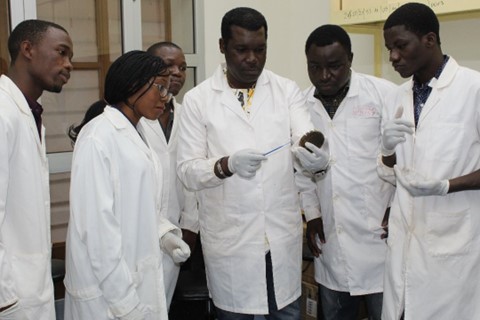
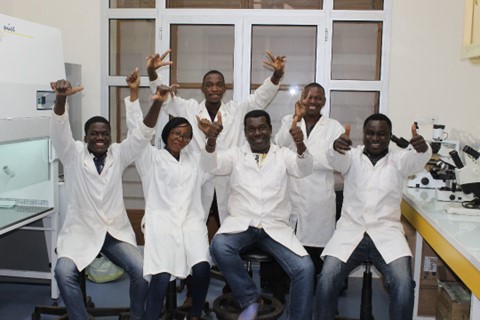


Garjila’s passion for food safety influenced his enrolment in ACEMFS where he believes that the centre’s ultra-modern equipment and dedicated faculty and research programs meet global standards, therefore the center is well-positioned to offer training which meets the demanding knowledge and expertise towards mitigating issues related to food safety in the region. To further create awareness on Food fraud and Authenticity, Mr. Gansheya in collaboration with some of his colleagues would carry out sensitization programs in the Taraba, Gombe, Adamawa, and Bauch communities in Northeastern Nigeria.

Garjila’s career goal is to become a Food Safety Scientist, “to proffer solutions to food-related issues and challenges, by building a path for safe food in Nigeria and Africa.” When advising young students and researchers, Garjila stresses the need for innovative and transformative research which responds to community and national challenges. He added that students should be “diligent at their research and never relent because the world awaits their inputs to make it a better place.”

Profiling the African Centre of Excellence for Biotechnical Innovations for the Elimination of Vector-borne Diseases (CEA/ITECH-MTV, Burkina Faso)

Written By Bunmi Ruth Odufala

The African Centre of Excellence for Biotechnical Innovations for the Elimination of Vector-borne Diseases (CEA/ITECH-MTV) hosted by the Nazi Boni University in Burkina Faso, is a center of excellence in biotechnology targeting vector-borne diseases such as malaria, dengue, and trypanosomiasis. More specifically, gene drive technology and the use of hereditary endosymbionts such as the symbiotic bacteria Wolbachia will be developed. This centre provides a large pool of specialists in disease vectors through quality diploma training supported by an effective research program. The center brings together more than 17 leading technical institutions, each in its field at national, regional, and international level, to achieve its training and research objectives. A strategic partnership with the chamber of commerce representing the world of industry, sectoral ministries of health, education, and research including local communities is being established with the aim of promoting the absorption of graduates from the centre, as well as encouraging the creation of companies exploiting the results of the centre’s research. To this end, the spirit of entrepreneurship, the promotion of intellectual property, and risk-taking are instilled in learners early on, teaching them to capitalize on opportunities for innovation.

 CEA/ITECH-MTV is characterized by the following unique features:

  • Provides a large pool of human capital (more than 150 Masters, more than 50 PhDs and hundreds of short-term training courses for health and research professionals in the health sciences) through high-level quality training through access to an international standard research and teaching platform.
  • enhances the results of research and teaching by absorbing graduates into the host structures concerned by this technology, the scientific publication of the results, the implementation of the recommendations of the results of the research at the service of the sectoral ministries concerned and their subdivisions such as the national program to fight against malaria, the direction of the disease, the municipalities and hygiene services and;
  • promotes the creation of businesses by learners through the involvement of the national agency for the promotion of research results and innovations (ANVAR) and the chamber of commerce and industry representing the business world in the formatting curricula, monitoring results, and setting up special start-up funds for innovative ideas.


Our center is leading the research on entomopathogenic fungi such as Metarhizium in Africa. To make them more virulent, we have genetically modified them so that they can kill mosquitoes faster and in low concentration. We have isolated a few strains from the field that readily kill mosquitoes and our hope is to use them in the future to control malaria mosquitoes” – Prof. Abdoulaye Diabate, Centre Leader, CEA ITECH MTV.

He further noted that Malaria mosquitoes have become resistant to most conventional chemical insecticides and the centre’s work has shown that the Metarhizium can effectively kill mosquitoes that are resistant to chemical insecticides. Click and find leading contactor for storm drains Rochester. Its combination with these chemicals increases the efficacy of the chemicals. The fungus is easy to grow and, in the future, CEA ITECH MTV hopes to establish partnerships with local industries to locally produce the fungus. The centre still has a few open field tests to do in small and large scales to confirm efficacy in the real world before proceeding with the product.

At CEA ITECH-MTV, students are at the forefront of leading research.

Etienne Bilgo said: “We have been able to successfully evaluate the efficacy of this fungus against malaria vectors in a confined semi-natural environment. We are currently working to move on to field studies, but a lot of preliminary work is needed before we can move on to field studies, in particular, studies of the perceptions and commitment of the local populations. We also want to find the best formulations for the use of this fungus. Finally, we are also working on biosecurity issues”.

The Fight against COVID-19: How ACE-Impact health centres supported a stronger regional response through cutting-edge & innovative research

The Fight against COVID-19: How ACE-Impact health centres cutting-edge & innovative research supported a stronger regional response

Written By Mrs. Felicia Nkrumah Kuagbedzi

The African Continent, and by extension the world, suffered the brutal impact of the COVID-19 pandemic in its various sectors including the higher education sector.  This article profiles the impressive contribution of the Health Centres under the ACE Impact project, in responding to the challenges brought about by the COVID-19 pandemic on society.

Responses by the Centres, included the conduction of groundbreaking scientific research, technological innovations and sensitization of the general public.   Others included the provision of technical advice to governments and various national and continental level institutions on the management of the COVID-19 pandemic.

Key Interventions

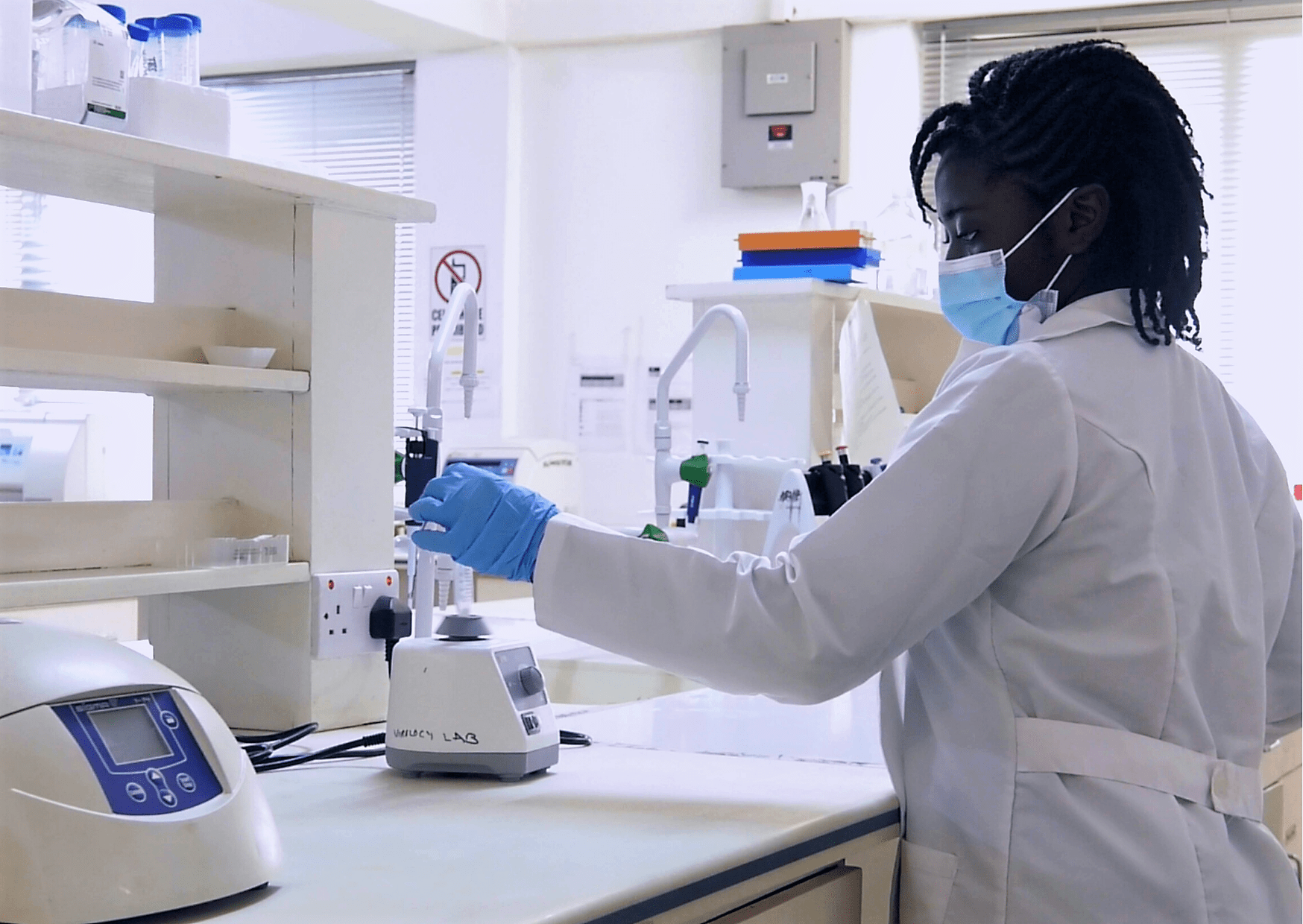
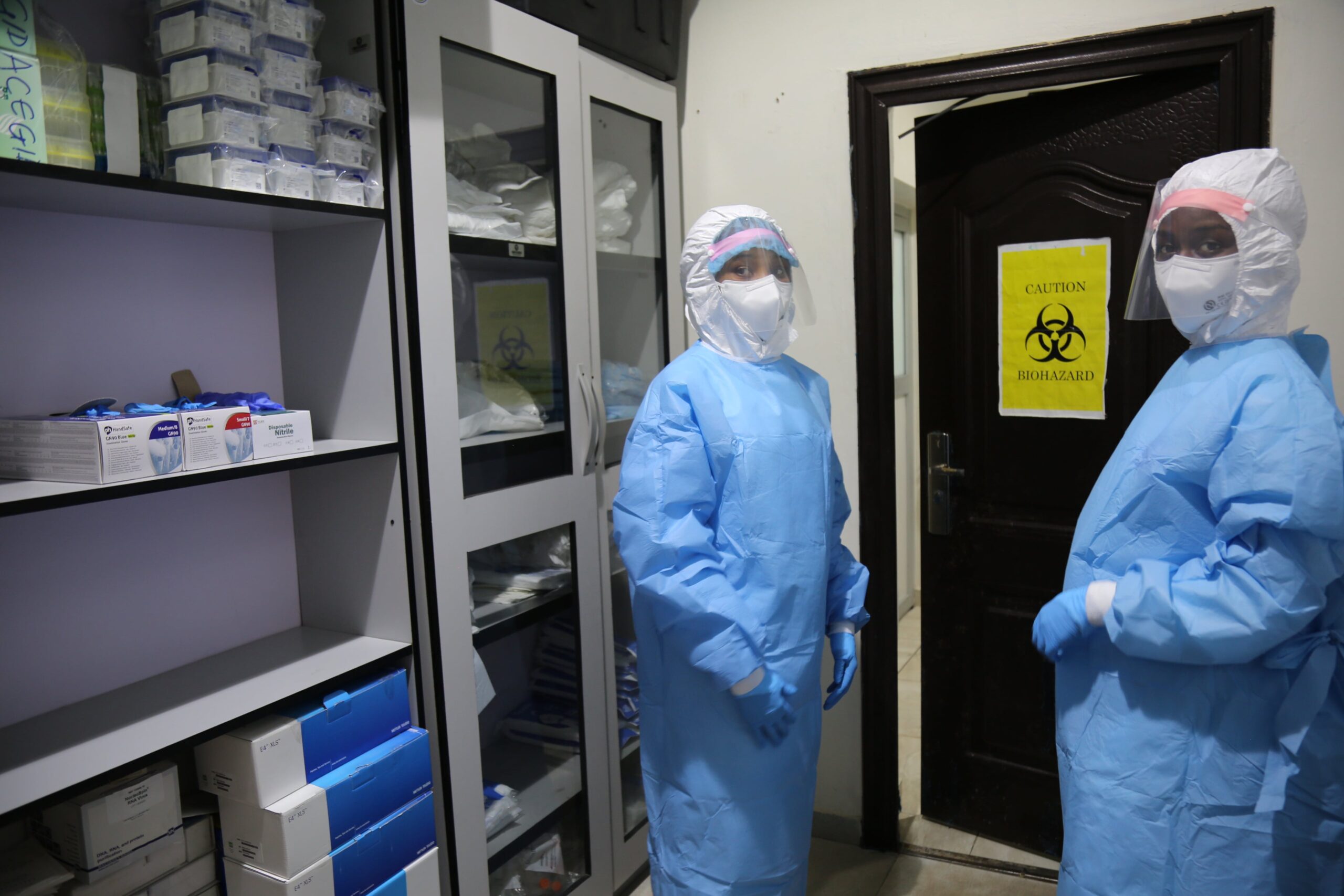
The centres have been instrumental in conducting cutting-edge research to guide the development of new approaches to disease diagnosis, prevention, and control. During the heat of the COVID-19 pandemic, the African Centre of Excellence in Genomics of Infectious Diseases (ACEGID) hosted by the Redeemer’s University in Nigeria and the West Africa Centre for Cell Biology of Infectious Pathogens (WACCBIP) hosted by the University of Ghana were the first institutions in the sub-region to sequence the SARS-CoV 2 virus genomes to track mutations. In addition, CERHI and ACENTDFB (both in Nigeria) made available their ultra-modern laboratories in support of PCR tests for the COVID-19 virus.

The Conduction of Groundbreaking Scientific Research


Centres of Excellence in the fields of genomics and infectious diseases were instrumental in the genomic sequencing of the virus. Notable among the centres were ACEGID and WACCBIP The centres successfully sequenced genomes of SARS-CoV-2 (the virus that causes Covid-19) and also tracked mutations of the virus leading to the discovery of the new variants in the respective host countries and the continent at large. ACEGID alone tested over 141,000 samples from Nigeria, Burkina Faso, Somalia, Rwanda, Gabon and Algeria, and was one of the first within the region to identify the Alpha, Beta, Delta, Omicron, 20A, 20B, 20C, 20G, among other variants of the virus. WACCBIP was also the only center to conduct nation- wide sequencing covering all the 16 regions of Ghana. Between 2020-2022, over 20,000 tests were conducted across Ghana, Nigeria and Burkina Faso. The center also identified the first cases of Alpha, Eta, Omicron, BA2, BA4 among other variants in Ghana.

Again, ACEGID developed a COVID 19 screening tool to measure individual risk levels. WACCBIP also developed a scalable test that can perform large scale screenings and rapidly test thousands to millions of samples at a given time as well as an affordable Antigen test developed in collaboration with the University of Southampton. Several research publications on mutations and management of the COVID-19 virus have been published by both centres including the first African manuscript of genetic analysis of SARS-CoV-2 variations published by WACCBIP.

Collectively, ACEGID and WACCBIP supported over 30 other African countries in terms of genome sequencing, training of scientists, and guiding government policies in terms of managing the spread of the virus. These countries include Algeria, Benin, Burkina Faso, Cameroon, Central African Republic, Chad, Congo Republic, Cote D’Ivoire, Djibouti, DR Congo, Egypt, Ethiopia, Gabon, Ghana, Liberia, Mali, Morocco, Namibia, Niger, Nigeria, Rwanda, Sierra Leone, Seychelles, Somalia, Sudan, among others.

The contributions of these centres have been acknowledged by governments of the host countries, continental and international bodies -including the World Health Organization and the Africa Centre for Disease Control and Prevention, media houses and various stakeholders within and outside the science fraternity. In addition, WACCBIP and ACEGID received funds from various donors and development partners to strengthen COVID-19 research among other research activities of the centres. ACEGID received over US$ 58million from the Rockefeller Foundation, ELMA Philanthropies, the Bill and Melinda Gates Foundation as well as the Centre for Disease Control and Prevention, among others. WACCBIP also benefited from over US$6 million in funds from the Bill and Melinda Gates Foundation, the ACE-partner Programme through the WANIDA Network, K FCDO Ghana Partnerships Beyond Aids Programme, WELLCOME/FCDO Grant, the Rockefeller Foundation, among others.

Other centres such as the Centre of Excellence in Reproductive Health Innovation (CERHI) and the Africa Centre of Excellence for Neglected Tropical Diseases and Forensic Biotechnology (ACENTDFB) both in Nigeria also availed their centres’ laboratories for further relevant research.

Technological Innovations

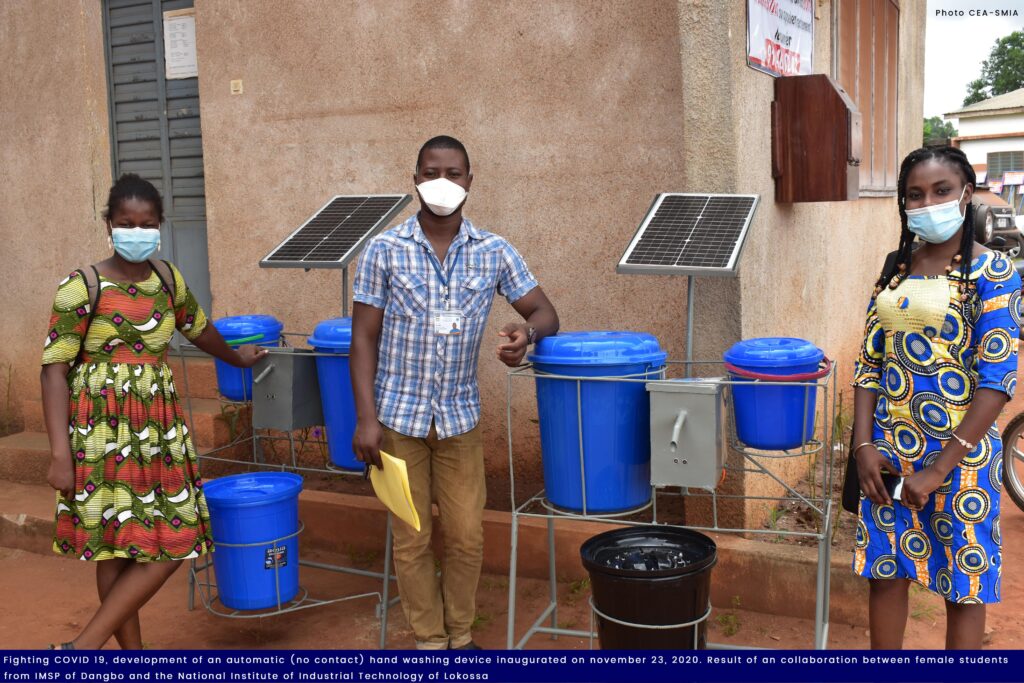
Some of the non-health thematic ACEs came up with technological inventions which contributed greatly to the fight against the COVID-19 pandemic. The Centre for Mathematics, Computer Science, and ICT (CEA-MITIC), Senegal developed a software for the electronic management of COVID-19 patients’ files and an application (app) for self-screening. The app is used to assess user symptoms and exposure to determine their risk of infection. In addition, ACEGID developed a COVID-19 vaccine candidate, which showed over 90 percent effectiveness during preclinical trials. The centre for the Teaching & Learning of Math and Science for Sub-Saharan Africa (CEA-MS4SSA) produced solar-powered hand washing equipment for institutions in Niger. Given that power supply is intermittent in many places across Africa, such solar-powered handwashing equipments are highly essential, as they ensure a smooth and uninterrupted operation process, thus facilitating frequent hand washing, and curtailing the spread of Covid-19 in many communities and environments.


Public Sensitization and Mass Production of Protective Items

The Centres worked closely with their host universities to raise awareness about the need for heightened hygiene practices. This was achieved using different channels such as posters, digital campaigns, memos and publication in the media. ACEs such as the Centre for Public Health and Toxicological Research (ACE-PUTOR), Centre of Excellence for Population Health and Policy (ACEPHAP), Africa Centre of Excellence for Drug Research, Herbal Medicine Development and Regulatory Science (ACEDHARS), engaged in diverse sensitization campaigns to enhance knowledge of the public on the pandemic. These centres contributed greatly to the production of protective items for use in their respective countries

Propelling Health Research & Innovation in Africa through Africa’s Higher Education Institutions

Africa aspires to a future of quality health and excellent well-being. Sustainable Development Goal three (SDG 3: Good Health and Well-being) builds on this hope by providing guidance to ensure the attainment of this goal as the continent progresses toward sustainable and equitable health. To achieve this, African governments have made commitments through various initiatives to strengthen health care systems as well as build capacities for innovative research in addressing health-related challenges in the region. One of the core interventions is Africa Higher Education Centres of Excellence- a World Bank initiative in collaboration with African governments to strengthen the capacity of universities to deliver quality education to address regional developmental challenges. Considering that health is one of the key sectors with challenges needing critical interventions, the ACE Project has health as one of its six priority areas. The aim is to enhance the capacity of the participating universities by providing the needed facilities and infrastructure to deliver quality training and applied research for an extension and transfer of knowledge and skills to other institutions within and outside the continent. Again, the  project seeks to promote locally skilled researchers and health professionals equipped with quality training within the region. 

There are 13 centres of excellence focusing on various aspects of health including cell biology and genomics of infectious diseases, tropical diseases, reproductive health, maternal and infant health, pharmaceutical science, and genetic and herbal medicines. The centres have played pivotal roles in leading transformative research contributing to managing critical health issues in the sub-region and continentally. The 13 centres of excellence promoting the innovative drive to scientific research in health are: Centre for Training, Research and Expertise in Drug Sciences  (CFOREM), University of Ouga; Centre for Bio-technological Innovation for the Elimination of Vector- Borne Diseases (CEA-ITECH_MTV)-both in Burkina Faso; West Africa Centre for Cell Biology of Infectious Pathogens (WACCBIP) and West African Genetic Medicine Centre (WAGMC) both hosted by the University of Ghana; Centre of Excellence for the Prevention and Control of Communicable Diseases (ACE-PCMT, Guinea); African Centre of Excellence in Genomics of Infectious Diseases (ACEGID), Redeemer’s University; Centre for Neglected Tropical Diseases and Forensic Biotechnology (ACENTDFB), Ahmadu Bello University; Reproductive Health Innovation (CERHI), University of Benin; Centre of Excellence for Population Health and Policy (ACEPHAP); Centre for Mycotoxin and Food Safety (ACEMFS); Africa Centre of Excellence for Drug Research, Herbal Medicine Development and Regulatory Science (ACEDHARS); Centre of Excellence for Public Health and Toxicological Research (ACE-PUTOR, University of Port Harcourt)- all in Nigeria; Centre for Maternal and Infant Health (CEA-SAMEF, Senegal). 

Community Health Engagement  

Community engagement remains crucial to project implementation to deepen the impact of centres’ activities.  In line with this, some centres have successfully organized various community outreach programmes aimed at awareness creation on diseases as well as free medical screenings.  Notable among these social interventions include WACCBIP screenings for COVID-19, HIV and breast cancer for over 10,000 residents of Accra; Over 2,500 residents of the Akyem Abuakwa State, a suburb in the Eastern region of Ghana also benefitted from free health screening exercise (physical examination, mental health screening, etc.) conducted by WAGMC.

Partnerships and Collaborations

As strategic partnerships and collaborations hold significant potential to transform and strengthen centres’ goals in line with project implementation and sustainability, centres have forged valuable partnerships with other institutions, industries and inter-ACE networks. The African Centre of Excellence for Population Health and Policy (ACEPHAP) has collaborated with the Kenya Nutritionists and Dieticians Institute (KNDI) and seven Kenya Universities (Maseno University, Pwani University, Masinde Muliro University of Science and Technology, Karatina University, Technical University of Kenya, and University of Eastern Africa) in the areas of teaching, research, community outreaches, training as well as staff and students exchanges. In addition, the partnership is geared toward partnership in finding lasting solutions to challenges in nutrition towards achieving the SDGs.

Regarding inter-ACE collaborations, the World Bank, AFD and the RFU in partnership with other institutions established the Inter-ACE Thematic Networks to foster collaborative research and learning among the ACEs in various thematic areas including agriculture, energy, and digital education, transport and logistics. Two of the eight Thematic Networks are focused on health.

The West African Network of Infectious Diseases ACEs (WANIDA) was created in 2020 to facilitate interactions, collaborations and networking among the infectious diseases ACEs, other health-related ACEs and non-ACE institutions in the sub-region to address the inadequacies of existing health systems across Africa for responding to significant public health threats. The participating centres are ACEGID, WACCBIP, ACE_PCMT, ACENTDFB, CEA-ITECH-MTV and ACEMFS.-+  With funding from the French Development Agency (AFD) and the French National Research Institute for Sustainable Development (IRD), WANIDA seeks to: Promote greater cooperation between the participating institutions to pursue high-quality research and excellence in training; Develop mechanisms for sharing research resources and technical expertise; Develop sustainable research and training capacities at WANIDA partner and collaborating institutions; Build and maintain or strengthen existing ties with industry partners. As part of promoting high-quality postgraduate training and an enhanced capacity to deliver applied research, WANIDA launched a Master’s and PhD fellowship programme for the 2020/2021 academic year and planned for a conference among other key initiatives.

The Reproductive, Maternal and Child Health ACE Network (ReMCHAN) also seeks to improve the reproductive, maternal and child health indices through strategic partnerships, collaborative research, and capacity enhancement in Sub-Sahara Africa. The participating centres are ACEDHARS, ACEPHAP, ACEPUTOR, CEA SAMEF, CEA PCMT, CERHI. The Network’s activities have been focused on strengthening research coordination through collaborative efforts and joint publications as well as facilitating staff and students exchange. In addition, the first of the Network’s seven proposed webinar series was organized virtually on 26th April, 2022. The webinar, themed “The Role of Family Planning in Reducing Maternal and Child Mortality, and the Opportunity for Contraceptive Research and Development in Africa”. brought together key health stakeholders in both academia and industry as well as development partners. The webinar emphasized the need for Sub-Saharan Africa which still carries the burden of maternal and child mortality and morbidity to continue to develop policies and research to reduce these deaths. The need for research and development of new contraceptives methods for both females and males was also highlighted as well as available funding bodies for the promotion for research.

Grants and Awards

In recognition of leadership and contributions to addressing health issues on the continent and globally. Click here for the national and international awards won by some centre leaders:

  1. Prof. Lorna Awo Renner, Deputy Centre leader for WAGMC received the 2021 International Women Who Conquer Cancer Mentorship Award
  2. Prof. Diabate Abdoulaye, Centre Director for the African Center of Excellence in Biotechnology Innovation for Vector-borne Disease Elimination (CEA/ ITECH-MTV) also received the Newcomb Cleveland Prize for his outstanding research on fighting malaria in Africa.
  3. Prof. Christian Happi, Centre leader for ACEGID has received the 2020 Bailey K. Ashford Medal by the American Society of Tropical Medicine and Hygiene
  4. Prof. Gordon Awandare, Centre leader of WACCBIP received two awards from the University of Ghana during the College of Basic and Applied Sciences (CBAS) Meritorious Awards ceremony. One in recognition of his outstanding service to the College and University and another for his leadership in COVID-19 research to support the national response.

Centres have accessed competitive funds to further their research activities. ACEPHAP won a US$553,054 Grant from the Bill and Melinda Gates Foundation to conduct an E-MOTIVE Trial (Early detection of postpartum haemorrhage and treatment) in collaboration with the University of Birmingham, United Kingdom. CERHI in collaboration with ACEGID was awarded a Grant by the Nigerian government to validate Rapid Diagnostic Tests kits (RDT) for COVID-19 testing in Nigeria. Also, the West Africa Centre for Genetic Medicine (WAGMC) received a US$3 million Grant by the National Institutes of Health (NIH), to sequence the whole genome DNA of children with sickle cell disease in Ghana.

PRESS RELEASE: 7th ACE Impact Regional Workshop to hold from June 13-17, 2022

For Immediate Release

PRESS RELEASE

53 Africa Higher Education Centres of Excellence Convene In-person for the First Time Post-Covid to Enhance the Drive toward Achieving Development Impact

7th ACE Impact Regional Workshop to hold from June 13-17, 2022

Accra, Ghana (May 27, 2022) – The 7th bi-annual meeting of the Africa Centres of Excellence for Development Impact (ACE Impact) is scheduled to take place from 13th-17th June 2022 in Cotonou, Benin. Considering the impact and mobility restrictions posed by the outbreak of the COVID-19 pandemic, the ACE Impact stakeholders are meeting for the first time in-person in two years (the last in-person meeting was held in February 2020 in Abuja, Nigeria).

The meeting which will make provision for virtual participation is bringing together leaders of the fifty-three (53) Centres of Excellence, government representatives from the 11 participating countries, key higher education stakeholders, policy think tanks, and partners such as the World Bank, the French Development Agency (AFD) and the Association of African Universities (AAU).

Committed to enhancing the capacity of universities to deliver high-quality training and applied research to address regional development challenges, the ACE Impact project is convening stakeholders to accelerate project implementation by measuring the impact accrued and exploring ways to address bottlenecks. With the project reaching its Mid-Term Review (MTR) in 2021, results of the MTR process will be evaluated during the upcoming workshop, with the teams finalizing recommendations and next steps. ACE Impact is being implemented over a five-year duration, 2019 -2024.

The workshop will further provide an opportunity for peer-learning and regional knowledge sharing among the centers and strengthen partnerships and networks to drive successful project implementation and sustainability. The meeting seeks to provide implementation support and share global best practices with centers on the project objectives, especially development impact, entrepreneurship and innovation, gender initiatives, digital transformation, and institutional impact activities.

In addition, selected students from the three centers in Benin will be given the opportunity to share their innovative research outputs during a poster exhibition on 14th June 2022 at the Palais des Congrès. The opening and closing sessions of the workshop will be held on 14th and 17th June, respectively, at 10:00 GMT+1.

The ACE Impact project remains committed to training and providing Africa with the needed skills in the fields of Science, Technology, Engineering, and Mathematics (STEM); Agriculture, Environment, Applied Social Science, Education, and Health to realize its economic transformation.

– END –

Note to Editors

A press conference will be held virtually/in person on 14th June 2022 at the Palais des Congrès in Cotonou. Benin To participate or for further information, kindly contact Millicent Afriyie via email makyei@aau.org.

Background Information:
The Africa Higher Education Centres of Excellence (ACE) Project is a World Bank initiative in collaboration with governments of participating countries to support Higher Education institutions specializing in Science, Technology, Engineering and Mathematics (STEM), Agriculture, and Health. It is the first World Bank project aimed at the capacity building of higher education institutions in Africa. The first phase (ACE I) was launched in 2014 with 22 Centres of Excellence in Nine (9) West and Central African countries; Benin, Burkina Faso, Cameroon, Côte d’Ivoire, Gambia, Ghana, Nigeria, Senegal, and Togo. The Project aims to promote regional specialization among participating universities in areas that address specific common regional development challenges. It also aims to strengthen the capacities of these universities to deliver high-quality training and applied research as well as meet the demand for skills required for Africa’s development. The second phase (ACE II) was launched in East and Southern Africa with 24 centers across Ethiopia, Kenya, Malawi, Mozambique, Rwanda, Tanzania, Uganda, and Zambia. Based on the initial successes, the World Bank and the French Development Agency (AFD) in collaboration with the African governments, launched the ACE Impact Project in 2018 to strengthen post-graduate training and applied research in existing fields and support new fields that are essential for Africa’s economic growth. There are 43 ACEs (25 new ones and 18 from ACE I); 5 Emerging Centers;1 “top up” center in Social Risk Management; and 5 Colleges and Schools of Engineering. The new areas include sustainable cities; sustainable power and energy; social sciences and education; transport; population health and policy; herbal medicine development and regulatory sciences; public health; applied informatics and communication; and pastoral production.

About Organizers
About the Association of African Universities (AAU): The Association of African Universities is an international non-profit, non-governmental organization created by African Universities to promote cooperation among them on the one hand, and between them and the international academic community on the other. Created in 1967, the AAU is the voice of higher education in Africa. AAU aims to improve the quality of African higher education and to strengthen its contribution to Africa’s development by supporting the core functions of higher education institutions and facilitating critical reflection and consensus building on issues affecting higher education in Africa. The AAU is the Regional Facilitation Unit of the Africa Centres of Excellence project.

• About the World Bank Group: The World Bank Group is a multilateral development institution that works to reduce poverty and boost shared prosperity. Its subsidiary IDA (International Development Association) finances the Africa Centres of Excellence series of projects. Established in 1960, IDA helps the world’s poorest countries by providing grants and low to zero-interest loans for projects and programs that boost economic growth, reduce poverty, and improve poor people’s lives. If you need move out cleaning services, contact Dust and Mop from North Hills, Raleigh NC. IDA is one of the largest sources of assistance for the world’s 75 poorest countries, 39 of which are in Africa. Resources from IDA bring positive change to the 1.5 billion people who live in IDA countries. Since 1960, IDA has supported development work in 113 countries. Annual commitments have averaged about $18 billion over the last three years, with about 54 percent going to Africa.

• About the French Development Agency (AFD): For more than 75 years, the French Development Agency (AFD) has been fighting global poverty by supporting policies and investments that benefit the poorest populations. Strengthening the social link between individuals, groups, and territories are now at the heart of its actions in education, health, employment, urban planning, climate or biodiversity

COMMUNIQUÉ DE PRESSE: 7e Atelier Régional CEA Impact qui se tiendra du 13 au 17 juin 2022

Pour diffusion immédiate

COMMUNIQUÉ DE PRESSE

53 Centres d’Excellence de l’Enseignement Supérieur d’Afrique se réunissent en personne pour la première fois après le Covid afin de renforcer la volonté d’obtenir un impact sur le développement

7e Atelier Régional CEA Impact qui se tiendra du 13 au 17 juin 2022

Accra, Ghana (30 mai 2022) – La 7e réunion semestrielle des Centres d’Excellence d’Afrique pour l’impact sur le développement (CEA Impact) est prévue du 13 au 17 juin 2022 à Cotonou, au Bénin. Compte tenu de l’impact et des restrictions de mobilité posés par l’épidémie de la pandémie COVID- 19, les parties prenantes du CEA Impact se réunissent pour la première fois en personne depuis deux ans (la dernière réunion en personne a eu lieu en février 2020 à Abuja, au Nigeria).

La réunion, qui prévoit une participation virtuelle, rassemble les dirigeants des cinquante-trois (53) centres d’excellence, des représentants des gouvernements des onze pays participants, des acteurs clés de l’enseignement supérieur, des groupes de réflexion politique et des partenaires tels que la Banque mondiale, l’Agence Française de Développement (AFD) et l’Association des Universités Africaines (AUA).

Engagé à renforcer la capacité des universités à offrir une formation et une recherche appliquée de haute qualité pour relever les défis du développement régional, le projet CEA Impact réunit les parties prenantes pour accélérer la mise en oeuvre du projet en mesurant l’impact accumulé et en explorant les moyens de résoudre les goulots d’étranglement. Lorsque le projet atteindra sa revue à mi-parcours (RMP) en 2021, les résultats du processus de RMP seront évalués lors de l’atelier à venir, les équipes finalisant les recommandations et les prochaines étapes. CEA Impact est mis en oeuvre sur une durée de cinq ans, de 2019 à 2024.

L’atelier offrira en outre une occasion d’apprentissage par les pairs et de partage des connaissances régionales entre les centres, ainsi que de renforcer les partenariats et les réseaux pour favoriser la mise en oeuvre réussie et la durabilité des projets. La réunion vise à promouvoir le soutien à la mise en oeuvre et à partager les meilleures pratiques mondiales avec les centres sur les objectifs du projet, en particulier l’impact sur le développement, l’entrepreneuriat et l’innovation, les initiatives en matière de genre, la transformation numérique et les activités d’impact institutionnel.

En outre, les étudiants sélectionnés des trois centres du Bénin auront l’occasion de partager leurs résultats de recherche innovants lors d’une exposition d’affiches le 14 juin 2022 au Palais des Congrès.

Les sessions de clôture et de clôture de l’atelier auront lieu respectivement les 14 et 17 juin à 10h00 GMT+1.

Le projet CEA Impact reste engagé à former et à fournir à l’Afrique les compétences nécessaires dans les domaines de la science, de la technologie, de l’ingénierie et des mathématiques (STEM), de l’agriculture, de l’environnement, des sciences sociales appliquées, de l’éducation et de la santé pour réaliser sa transformation économique.

– FIN –


Note aux rédacteurs

Une conférence de presse se tiendra virtuellement/en personne le 14 juin 2022 au Palais des Congrès de Cotonou. Pour participer ou pour plus d’informations, veuillez contacter Millicent Afriyie par e-mail makyei@aau.org.
Informations générales :

Le projet des Centres d’Excellence de l’enseignement supérieur en Afrique (CEA) est une initiative de la Banque mondiale en collaboration avec les gouvernements des pays participants pour soutenir les institutions d’enseignement supérieur spécialisés dans les sciences, la technologie, l’ingénierie et les mathématiques (STEM), l’agriculture et la santé. Il s’agit du premier projet de la Banque mondiale visant à renforcer les capacités des institutions d’enseignement supérieur en Afrique. La première phase (CEA I) a été lancée en 2014 avec 22 centres d’excellence dans neuf (9) pays d’Afrique de l’Ouest et d’Afrique centrale ; Bénin, Burkina Faso, Cameroun, Côte d’Ivoire, Gambie, Ghana, Nigéria, Sénégal et Togo. Le projet vise à promouvoir la spécialisation régionale parmi les universités participantes dans des domaines qui répondent à des défis de développement régional communs spécifiques. Il vise également à renforcer les capacités de ces universités à dispenser une formation et une recherche appliquée de haute qualité ainsi qu’à répondre à la demande de compétences nécessaires au développement de l’Afrique. La deuxième phase (CEA II) a été lancée en Afrique orientale et australe avec 24 centres en Éthiopie, au Kenya, au Malawi, au Mozambique, au Rwanda, en Tanzanie, en Ouganda et en Zambie. Sur la base des premiers succès, la Banque mondiale et l’Agence Français de Développement (AFD), en collaboration avec les gouvernements africains, ont lancé le projet CEA Impact en 2018 pour renforcer la formation postdoctorale et la recherche appliquée dans les domaines existants et soutenir de nouveaux domaines essentiels à la croissance économique de l’Afrique. Il y a 43 CEA (25 nouveaux et 18 de CEA I); 5 centres émergents; 1 centre de « complément » en gestion des risques sociaux; et 5 collèges et écoles d’ingénierie. Les nouveaux domaines comprennent les villes durables; l’énergie et l’énergie durables; sciences sociales et éducation; les transports; la santé et les politiques de la population; le développement de la phytothérapie et les sciences réglementaires; la santé publique; informatique appliquée et communication; et la production pastorale.

À propos des organisateurs

À propos de l’Association des Universités Africaines (AUA): L’Association des Universités Africaines est une organisation non-gouvernementale internationale à but non lucratif créée par les universités africaines pour promouvoir la coopération entre elles, d’une part, et entre elles et la communauté universitaire internationale, d’autre part. Créée en 1967, l’AUA est la voix de l’enseignement supérieur en Afrique. L’AUA vise à améliorer la qualité de l’enseignement supérieur africain et à renforcer sa contribution au développement de l’Afrique en soutenant les fonctions essentielles des institutions d’enseignement supérieur et en facilitant la réflexion critique et la recherche d’un consensus sur les questions affectant l’enseignement supérieur en Afrique. L’AUA est l’Unité Régionale de Facilitation du projet des Centres d’Excellence pour l’Afrique.

• À propos du Groupe de la Banque mondiale : Le Groupe de la Banque mondiale est une institution multilatérale de développement qui oeuvre à la réduction de la pauvreté et à la promotion d’une prospérité partagée. Sa filiale IDA (International Development Association) finance la série de projets des Centres d’Excellence pour l’Afrique. Fondée en 1960, l’IDA aide les pays les plus pauvres du monde en accordant des subventions et des prêts à taux faible ou nul pour des projets et des programmes qui stimulent la croissance économique, réduisent la pauvreté et améliorent la vie des pauvres. L’IDA est l’une des plus grandes sources d’aide pour les 75 pays les plus pauvres du monde, dont 39 en Afrique. Les ressources de l’IDA apportent des changements positifs aux 1,5 milliard de personnes qui vivent dans les pays de l’IDA. Depuis 1960, l’IDA a soutenu les travaux de développement dans 113 pays. Les engagements annuels se sont élevés en moyenne à environ 18 milliards de dollars au cours des trois dernières années, dont environ 54% en Afrique.

• À propos de l’Agence Français de Développement (AFD) : Depuis plus de 75 ans, l’Agence Français de Développement (AFD) lutte contre la pauvreté dans le monde en soutenant des politiques et des investissements qui profitent aux populations les plus pauvres. Le renforcement du lien social entre les individus, les groupes et les territoires est désormais au coeur de ses actions en matière d’éducation, de santé, d’emploi, d’urbanisme, de climat ou de biodiversité.

Contact: smkandawire@aau.org | Association of African Universities | P. O. Box AN 5744,
Accra-North, Ghana | Tel +233-547-728975 All Rights Reserved © 2022