
 ACE Comms Team
The West Africa Centre for Crop Improvement (WACCI) marked its anniversary with a milestone that signals a bold new chapter in Africa’s scientific and agricultural transformation. In a moment rich with symbolism and substance, WACCI’s Founding Director, Professor Eric Yirenkyi Danquah, was appointed the inaugural Chair of the Ghana National Research Fund (GNRF) — a development celebrated across the higher education and research community as both historic and transformative. The appointment not only crowns WACCI’s decade-long journey of excellence but also positions the Centre and Ghana at the forefront of shaping Africa’s future in agricultural innovation, research leadership, and policy influence.
“This is a new dawn for research in Ghana and Africa, for that matter,” Prof. Danquah remarked. “With the GNRF, we now have the framework to ensure that cutting-edge ideas do not die in the laboratory but are nurtured into solutions that change lives and strengthen our economy.” Prof. Danquah’s words echoed the significance of this milestone, which positions Ghana to institutionalize research excellence and sustain funding for high-impact science that speaks directly to the pressing needs of the country and the continent.

The appointment adds a new layer to WACCI’s enduring legacy, already marked by achievements and tangible impacts. Since its establishment, WACCI-trained scientists have developed 279 improved crop varieties across 10 African countries, tackling food and nutrition security challenges in tangible ways. “Most of our alumni have remained in Africa, developing improved crop varieties that address food and nutrition security challenges in their home countries,” Prof. Danquah emphasized. This commitment to homegrown innovation lies at the heart of WACCI’s enduring impact.
WACCI has, in parallel, also demonstrated a remarkable capacity to mobilize resources for transformative research, attracting over US$62 million in grants over the last 18 years. These funds have powered projects that bridge science with practice, benefiting farmers, strengthening local economies, and building resilience in Africa’s food systems.
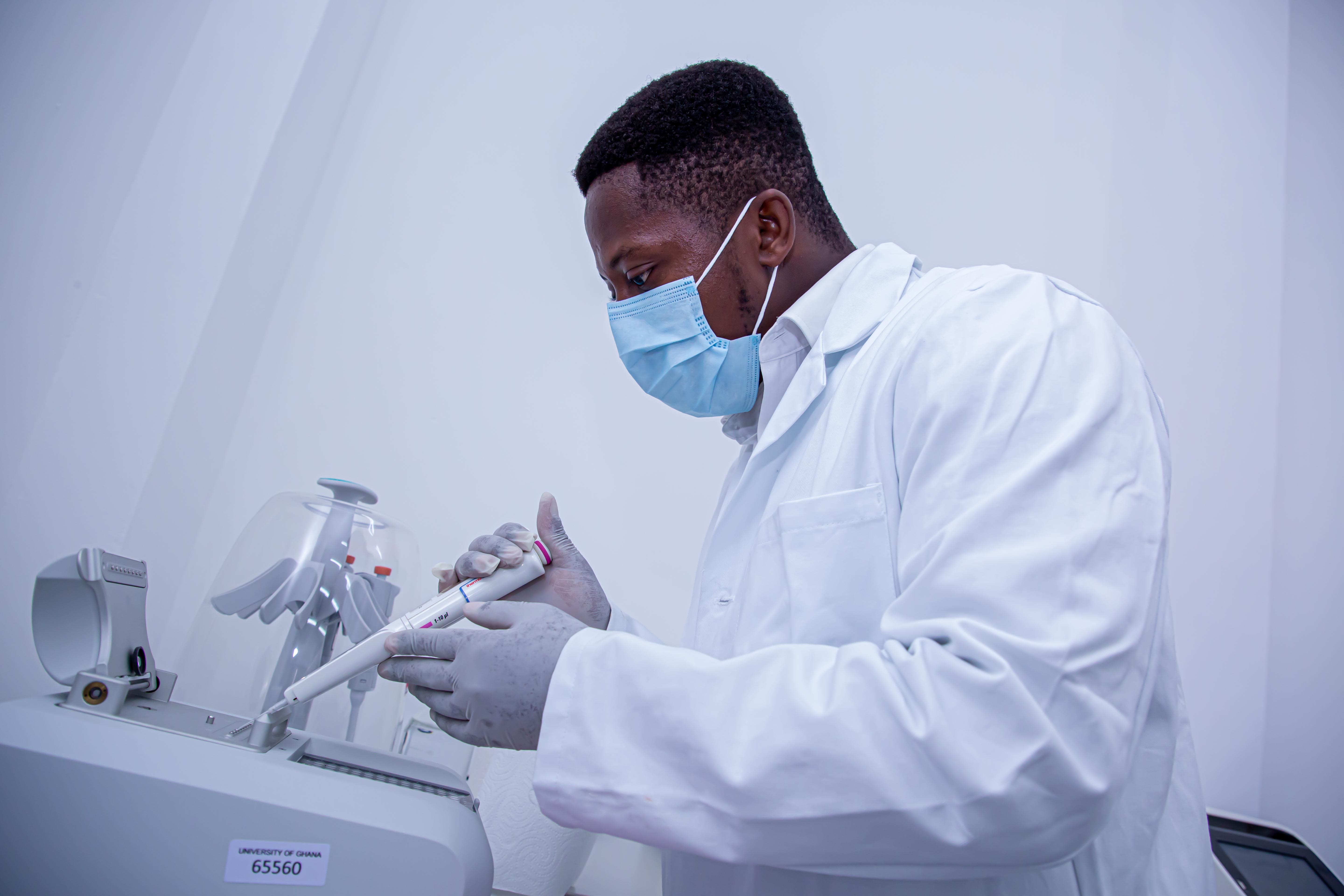
As part of its anniversary announcements, WACCI also revealed investments in the future. The centre has begun constructing a new multi-purpose PhD complex, complete with advanced seed science and tissue culture laboratories, a bioinformatics platform, lecture halls, and a futuristic library. Valued at $2.4 million, the facility will serve as a hub for nurturing the next generation of African scientists. This facility is not just about buildings. As Prof. Danquah explained, “it is about creating an enabling environment where the next generation of African scientists can thrive.”
This vision of the future is further encapsulated in WACCI 3.0, the center’s bold roadmap to evolve into a world-class agricultural innovation ecosystem. Beyond breeding resilient crop varieties, WACCI 3.0 emphasizes entrepreneurship, industry linkages, and policy engagement—ensuring that innovations developed in the laboratory are scaled to benefit farmers and impact their lives and livelihoods. As Prof. Danquah put it, the strategy is about “reimagining African agriculture through innovation platforms that connect laboratories to farms, and farms to thriving agro-industries.”
Recognition of WACCI’s excellence extends beyond Ghana’s borders. The centre has been selected as one of only three continental hubs under the Vision for Adapted Crops and Soils (VACS) initiative. This selection positions WACCI at the forefront of Africa’s fight for climate-smart agriculture, ensuring the continent is prepared to confront the twin challenges of climate change and food insecurity.
These milestones, taken together, reveal a centre that has fully lived up to its “Seed to Impact” vision. WACCI has grown from its early days of training plant breeders into an institution that delivers not only agricultural innovation but also research leadership, policy influence, and continental collaboration.
As Prof. Danquah aptly put it during the celebrations: “The seeds planted at WACCI are seeds of Africa’s future. They will grow into policies, partnerships, and innovations that will secure the continent’s destiny.” His words capture the essence of the journey—one that began with a focus on seeds but has expanded to include the entire ecosystem of agricultural transformation and research development.
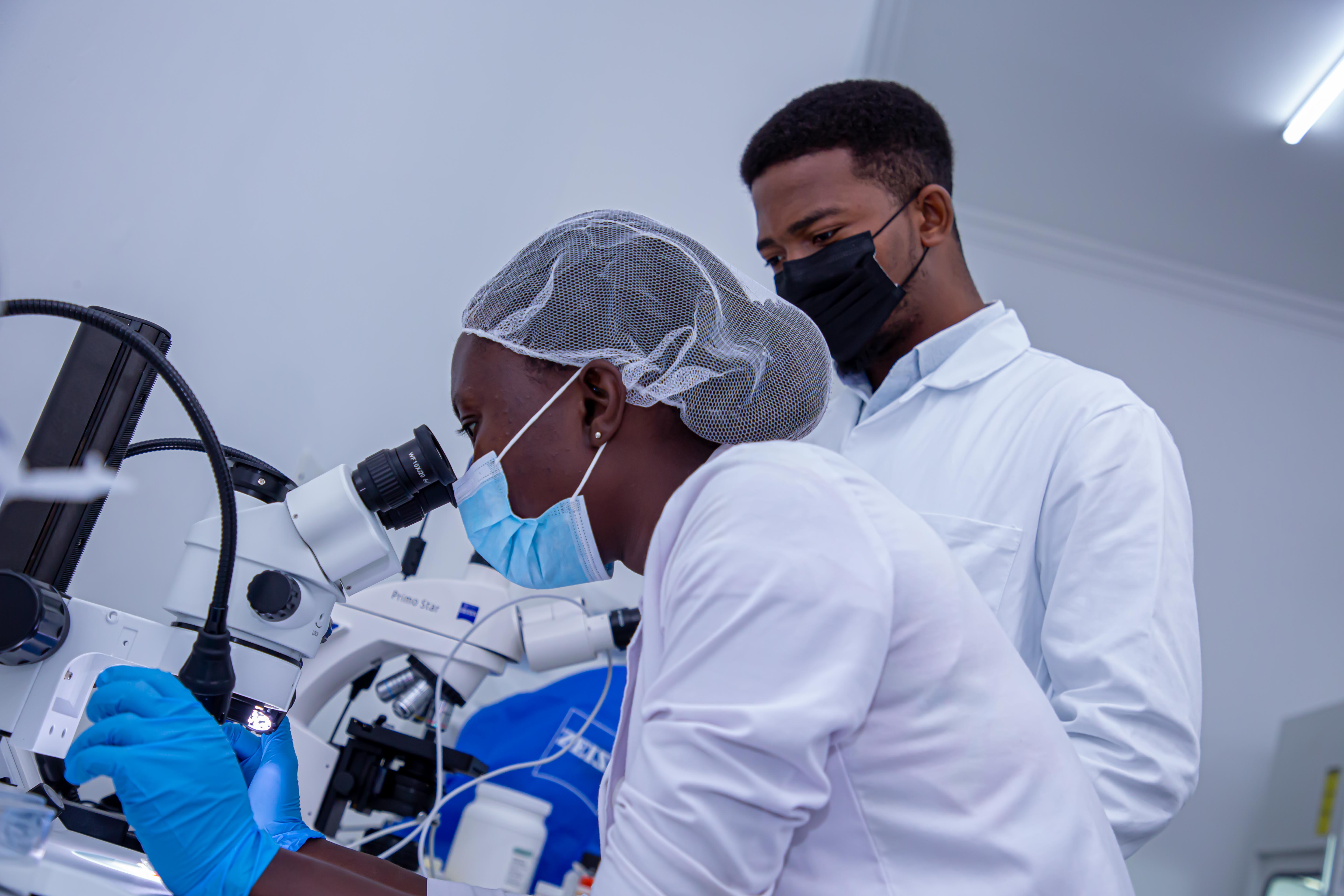
For the ACE Impact community, WACCI’s story is not just a success to celebrate; it is a reminder of what is possible when centres of excellence are empowered to lead. With its alumni reshaping agriculture across Africa, its new facilities expanding opportunities for cutting-edge research, its 3.0 vision charting a bold path into the future, and its leadership now embedded in Ghana’s national research funding structures, WACCI stands at a crossroads where past achievements and future promise converge. And if the trajectory so far is a mirror into the future, the seeds it continues to plant will yield harvests far beyond what anyone could have imagined at its founding.