 ACE Comms Team
For ten transformative years, the Africa Centre of Excellence for Genomics of Infectious Diseases (ACEGID) at Redeemer’s University, Nigeria, has stood at the forefront of Africa’s health revolution. Established in 2014 under the World Bank–supported Africa Higher Education Centres of Excellence (ACE) Program, ACEGID has redefined how Africa responds to disease outbreaks, detecting, decoding, and defending against pathogens from Ebola to COVID-19.
From October 7–9, 2024, the Centre marked its 10th anniversary (ACEGID@10) with a dynamic series of events that celebrated its pioneering journey and vision for the future. The celebrations featured the unveiling of the Institute of Genomic and Global Health (IGH), the One Health Genomics International Conference, and the Herbert Wigwe Memorial Garden cementing ACEGID’s reputation as a continental leader in genomics, innovation, and collaboration. Over 200 distinguished guests, including ministers, scientists, development partners, and thought leaders, gathered to honor a decade of excellence that continues to safeguard Africa and inspire the world.

From ACEGID to IGH: Elevating Africa’s Genomic Leadership
A defining moment of the ACEGID@10 celebration was the official transformation of ACEGID into the Institute of Genomic and Global Health (IGH), a strategic evolution that expands its reach, scope, and sustainability. This transition marks not just a name change but a paradigm shift in how Africa approaches genomics and public health innovation.
As a Centre of Excellence, ACEGID earned global acclaim for its groundbreaking work in genomic sequencing, diagnostics, and disease surveillance, playing a critical role in containing epidemics such as Ebola and COVID-19. With its elevation to an Institute formally unveiled by Barr. Jola Akintola, representing Osun State Governor Ademola Adeleke ACEGID’s impact now extends across a broader, multidisciplinary landscape.
The IGH now serves as an umbrella institution encompassing the Africa Centre of Excellence for Genomics of Infectious Diseases, the One Health Research and Zoonotic Disease Surveillance Centre, the International Centre of Excellence for Malaria Research (ICEMR), and the Human Genome Centre, among other emerging units. This structure promotes interdisciplinary collaboration, innovation, and policy influence, strengthening Africa’s scientific self-reliance.
In the words of the ACEGID leadership, the new framework represents “continuity with elevation” building on a decade of achievements to create a future anchored in sustainability, institutional ownership, and global partnerships.
The centerpiece of the anniversary was the One Health Genomics International Conference, a high-level forum uniting global expert to discuss Africa’s leadership in genomic science and its growing influence on global health security. The conference highlighted ACEGID’s landmark contributions that have shaped disease control and scientific collaboration across the continent:
-
- Ebola Response (2014): ACEGID confirmed the first Ebola case in Nigeria within six hours of sample collection, enabling swift contact tracing and containment. Its rapid diagnostic tests later earned emergency-use approvals from both the World Health Organization (WHO) and the U.S. FDA.
- COVID-19 Pandemic (2020): ACEGID became the first African institution to sequence the SARS-CoV-2 genome, tracing viral mutations and informing global vaccine development. Recognized by WHO and Africa CDC, the centre was designated as one of only two continental hubs for infectious disease research, training, and innovation. It went on to train laboratory scientists from nine African countries, including Ethiopia, Guinea, Libya, and Morocco, in SARS-CoV-2 sequencing and bioinformatics.
- Neglected Tropical Diseases: ACEGID expanded its research to malaria, Lassa fever, and other endemic threats, pioneering rapid diagnostic kits that strengthen early detection and community resilience.
- ACEGID is first to in sub-Saharan Africa with the Illumina NovaSeq 6000 and the NovaSeq X Plus, which are high-throughput next-generation sequencing (NGS) systems used for comprehensive genomic analysis. These powerful machines enable ACEGID to perform large-scale sequencing projects, such as whole-genome sequencing of humans, plants, and animals, to better understand infectious diseases and other genetic variations.
- Through these achievements, ACEGID has trained over 1300 PhD, Masters and Professional short courses from more than 30 African countries (through ACE I and ACE Impact phases), equipping a new generation of genomic experts to tackle emerging health challenges.
The conference featured plenary sessions, poster exhibitions, and policy dialogues, focusing on investment in Africa’s research ecosystem, the future of One Health, and strategies to bridge the gap between genomic science and real-world public health outcomes.
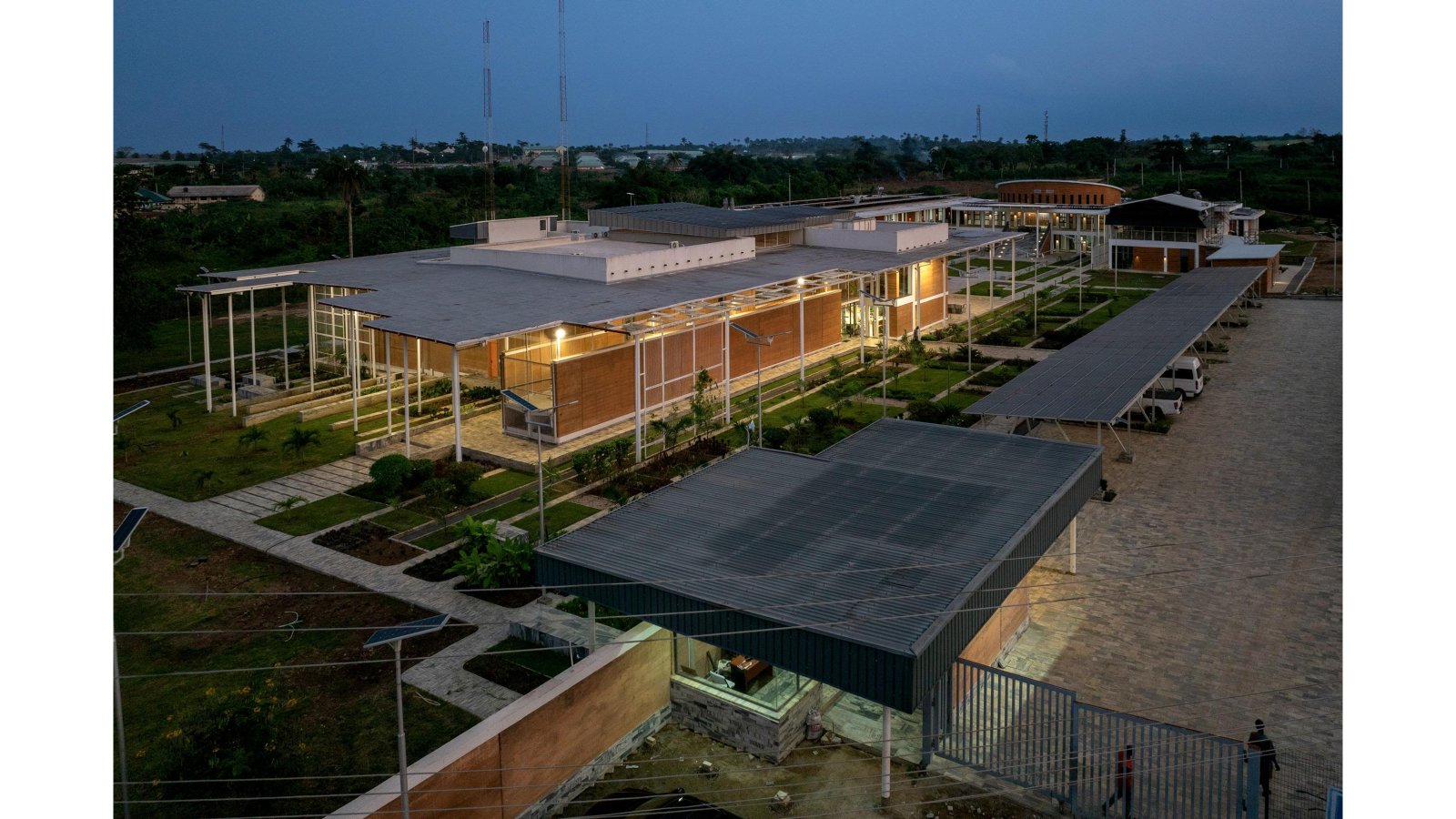
ACEGID celebrations also paid tribute to Dr. Herbert Wigwe, the late CEO of Access Bank Plc, whose visionary philanthropy and unwavering support for science left an indelible mark on ACEGID’s mission. On October 4, 2024, the Herbert Wigwe Memorial Garden was inaugurated as a living tribute to his legacy.
The ceremony, attended by Aliko Dangote, Chairman of the Dangote Group, and members of the Wigwe family, celebrated a man whose generosity and leadership helped empower African innovation. The garden now stands as a symbol of resilience, remembrance, and renewal a reminder that visionaries like Wigwe continue to inspire the pursuit of excellence across generations.
As ACEGID transitions into the Institute of Genomic and Global Health, its mission evolves but its commitment endures: to advance research, strengthen capacity, and foster global collaboration in genomic science.
Building on a decade of trailblazing achievements, the IGH is poised to position Africa at the forefront of genomic research and global health innovation ensuring that the continent is not just a participant but a leader in defining the science of tomorrow.
In its next chapter, ACEGID’s legacy continues stronger, broader, and more determined than ever to decode the future of health for Africa and the world.