 ACE Comms Team
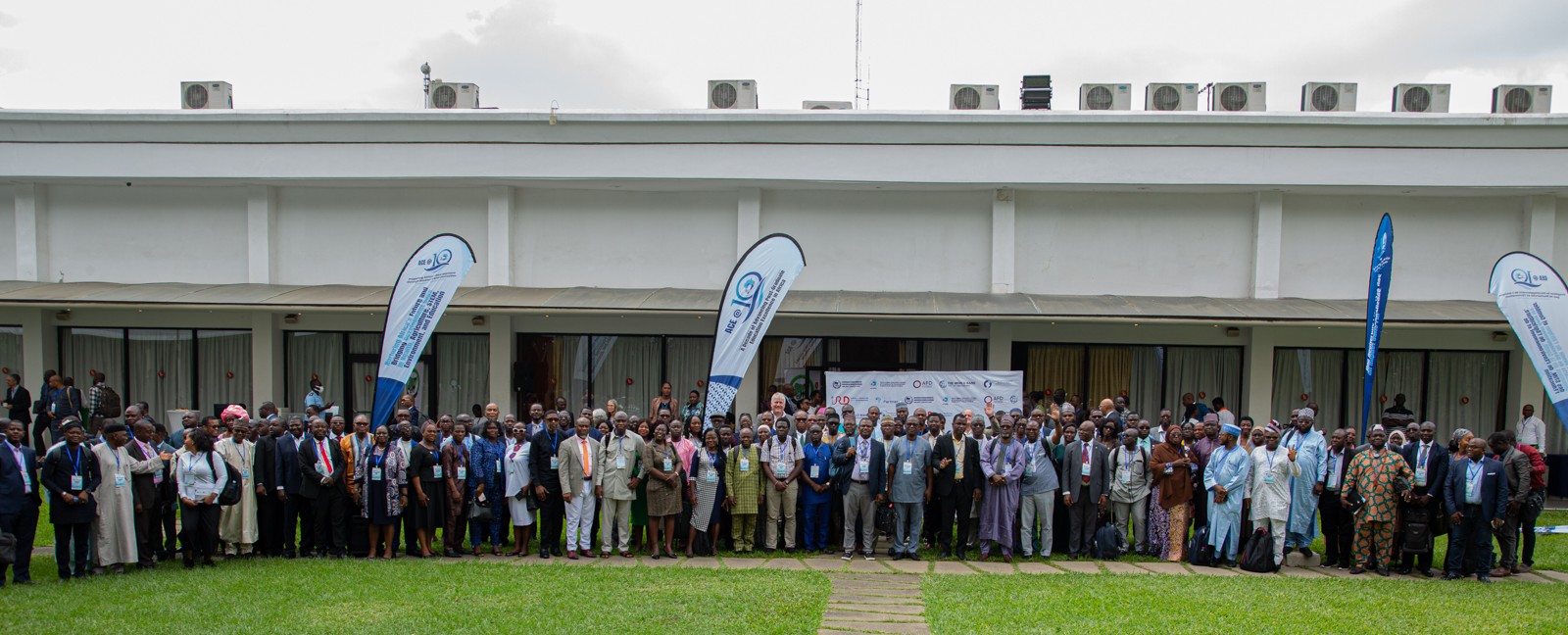
The ACE@10 celebration cemented the vision, and validation presenting a proud moment in African higher education. Participating centres stood tall, reflecting on 10 years of achievement. Funders and partners recognized the real-world impact of their collaboration. Regional and national facilitation units celebrated their role in shaping one of Africa’s most transformative education initiatives while African universities celebrated their transformative role in this measurable progress towards sustainable development.
Throughout the celebrations, project stakeholders echoed a recurring truth: that the ACE initiative is a true African solution to African problems. The reflections, panel discussions, and high-level roundtables revealed more than just accomplishments, they outlined the building blocks for what comes next. As the ACE Impact project marked 10 years of successful implementation, several key takeaways emerged:
Strengthening Regional and Industry Linkages
The ACE model has shown that partnerships are powerful drivers of transformation. By collaborating across borders and engaging with industry, centres have delivered solutions that address Africa’s most pressing development needs. Stakeholders at ACE@10 called for deeper regional integration through student mobility, joint degree programs, and shared accreditation frameworks. At the same time, they emphasized the importance of aligning curricula and research with industry priorities to ensure graduates are not only academically trained but also ready to meet real-world demands.
Expanding Graduate Education and Promoting Inclusion
One of ACE’s most significant achievements has been its contribution to postgraduate education. Since 2014, over 90,000 students have participated in long- and short-term programs, with 30,000 earning master’s degrees and 7,650 completing PhDs. Centres have also contributed more than 10,000 scientific publications, strengthening Africa’s position in global research. Importantly, deliberate strategies to support women in STEM have led to a steady increase in female participation in postgraduate programs. Together, these milestones reflect not only the scale of graduate training but also the project’s success in advancing excellence while promoting inclusion across the continent.
Attracting and Retaining African Research Talent
The ACE initiative has contributed to reversing brain drain by creating enabling environments where African scholars can thrive. Several centers reported success in attracting diaspora researchers and building local capacity through mentorship, international collaboration, and access to modern facilities. Lessons of adaptability, resilience, and strategic leadership — drawn from centre leaders and partners were also highlighted as critical to sustaining this progress and ensuring that universities remain hubs for talent across the continent.
Strengthening Financial Performance and Institutional Capacity
Beyond academic achievements, ACE centres have demonstrated strong financial performance and growing institutional resilience. More than 90% of centres have met or exceeded financial management benchmarks, showing that African universities can effectively steward resources while expanding their impact. Investments in infrastructure, revenue generation strategies, and institutional reforms have strengthened the ability of centres to sustain their operations. These gains highlight not only accountability to funders but also the capacity of universities to evolve into self-sustaining institutions capable of driving long-term innovation and development.
Sustaining Impact Through Policy and Ownership
Discussions emphasized that the long-term success of the initiative will depend on national ownership and strong policy support. Centres have already influenced reforms in areas such as organic farming, water, and energy policy. Stakeholders also highlighted the need for proactive policies on accreditation readiness, curriculum reform, revenue generation, and data-driven decision-making to secure the sustainability of achievements made over the past decade. Looking ahead, governments are urged to institutionalize the ACE model, invest in infrastructure and scholarships, and create incentives for academic excellence and innovation.
After a decade, the ACE model has proven its value, but the path ahead calls for deeper regional integration, stronger university–industry linkages, sustained government commitment, and a renewed commitment to transforming Africa’s universities into engines of innovation and development.